

Why Are Horses Sicker Than They Used to Be? A Timeline of Equine Health and Glyphosate
Quick Summary: Horse owners and veterinarians alike are noticing that horses today suffer from metabolic disorders, laminitis, and other chronic conditions at rates that were almost unheard of a generation ago. This article lays out two timelines side by side — the explosive rise in glyphosate use since 1974 and the parallel rise in equine disease — and examines what the evidence does and does not tell us about the connection.
For the full story of how our family and a team of MIT researchers uncovered this connection, see [What MIT Researchers and 30 Years on a Horse Farm Revealed About What's Making Horses Sick].
Want to understand exactly how glyphosate harms a horse from the inside out? We break down all five biological mechanisms in our companion article, How Does Glyphosate Affect a Horse's Body? The Five Mechanisms Explained.
Laminitis is one of the conditions that has climbed right alongside this timeline — we trace how the same gut and mineral disruption may be driving it in the hidden trigger behind chronic laminitis
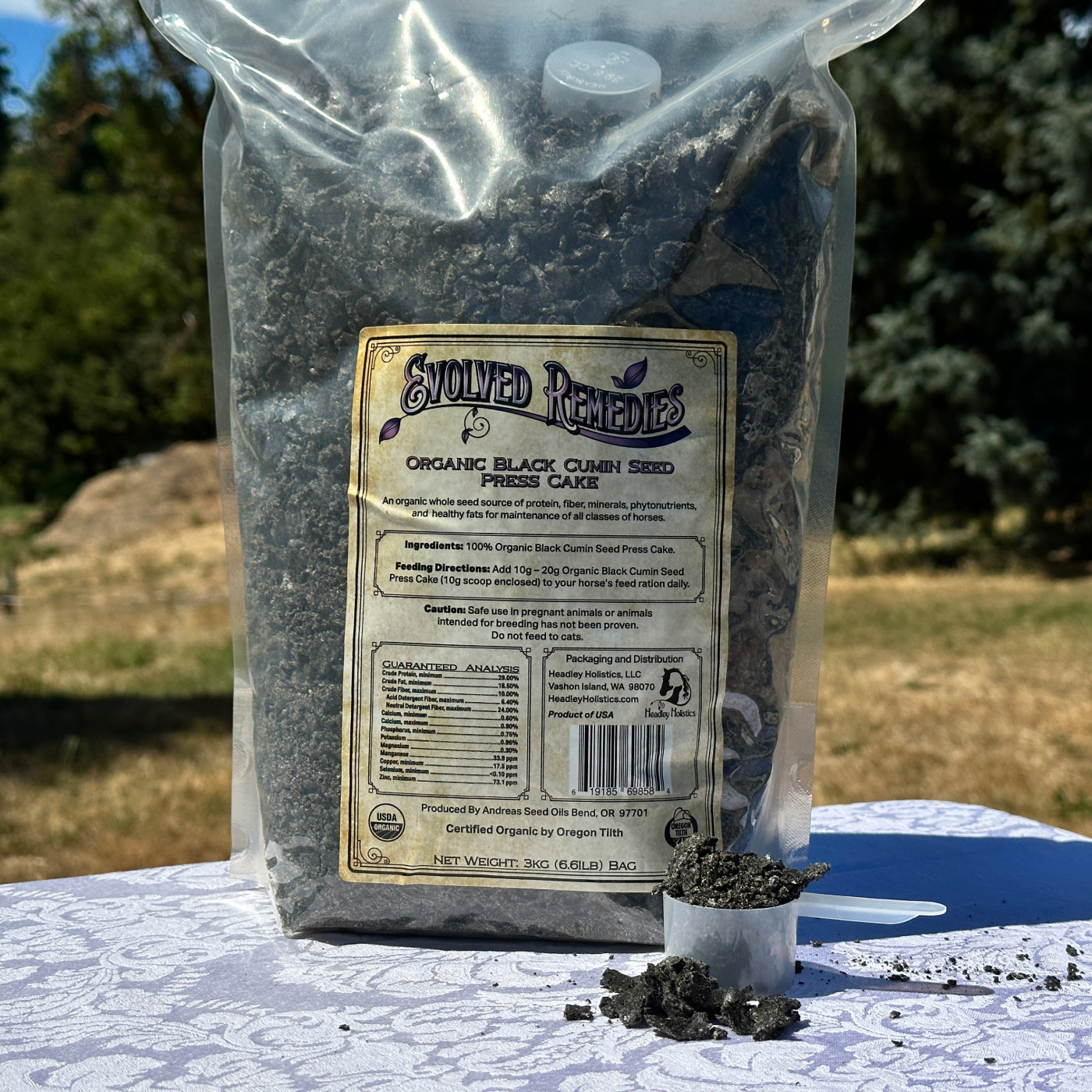
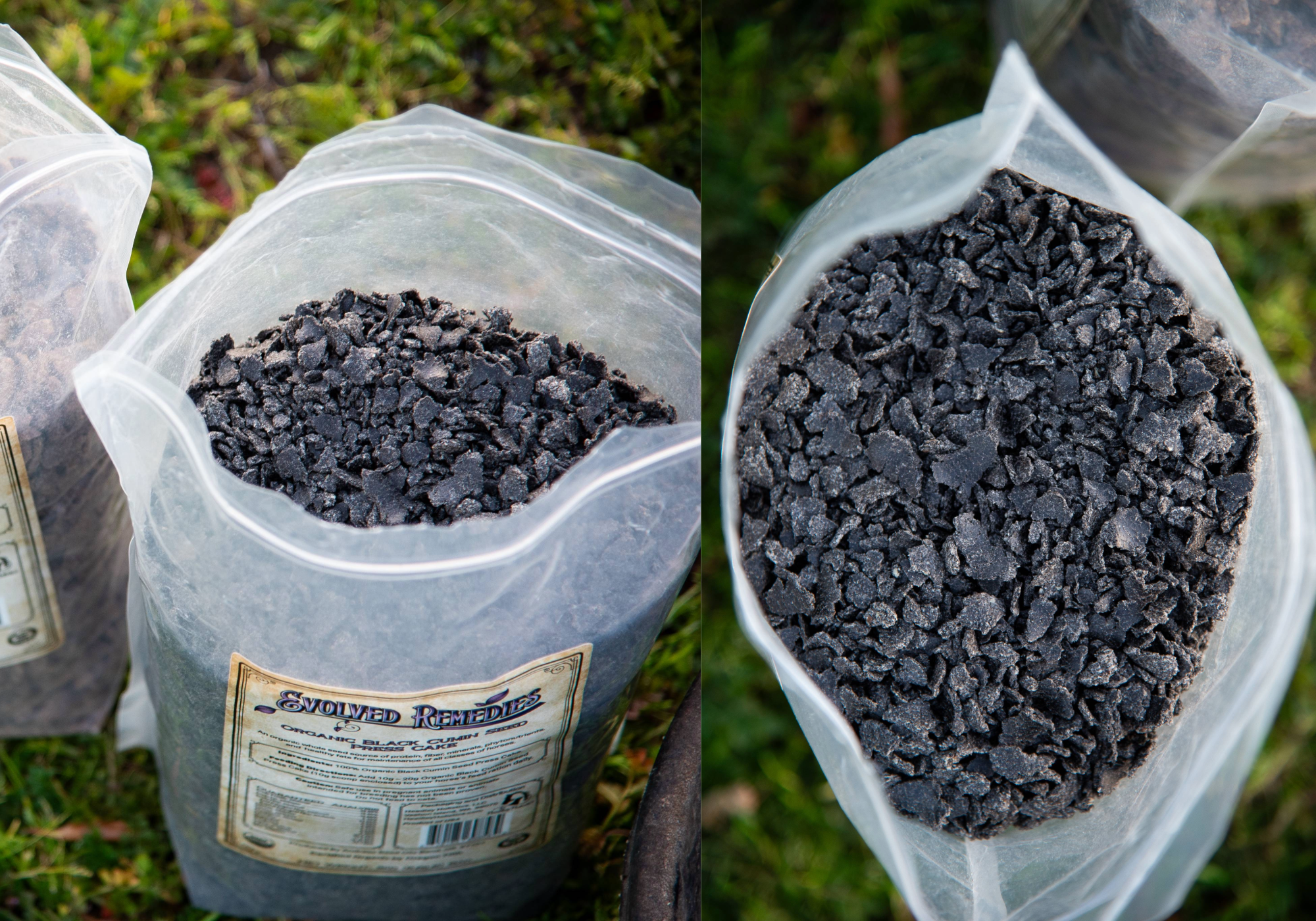
Rebuilding a horse from the inside starts with clean, whole-food nutrition — and black cumin seed is one of our favorites. Here's the full guide to feeding black cumin seed to horses
Want to try it with your own horse?
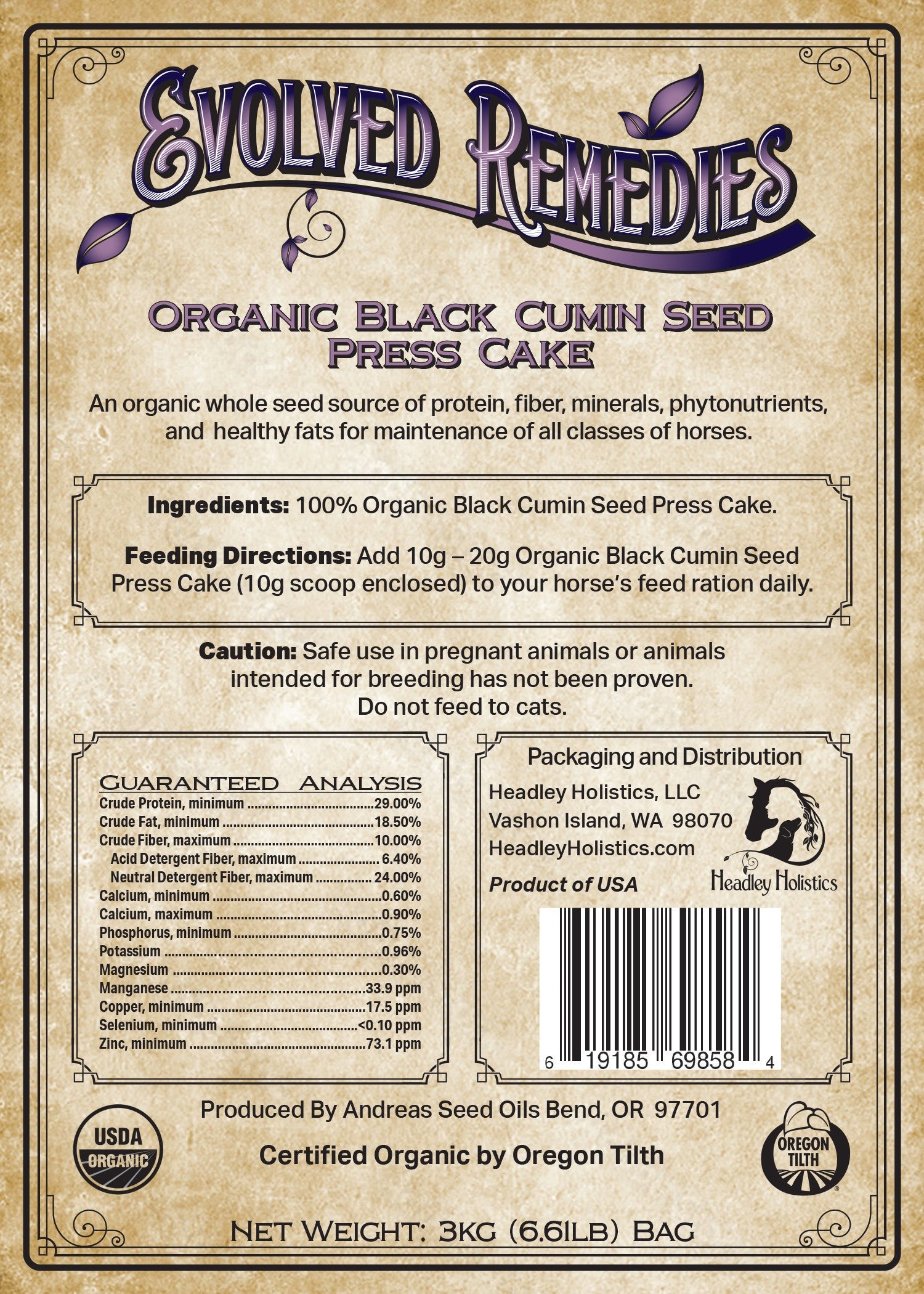
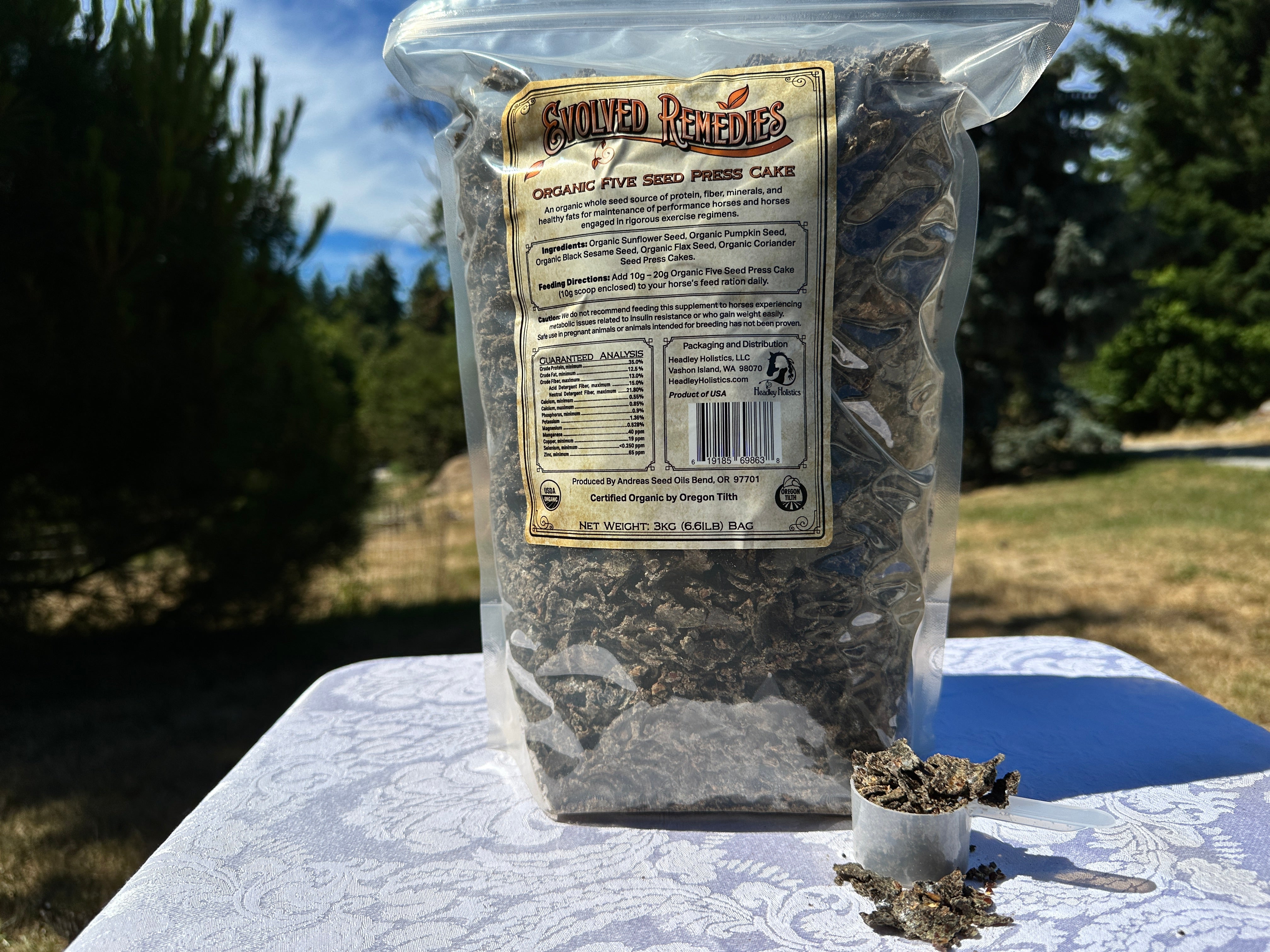
The easiest place to start is our 2-week sample of Organic Black Cumin Seed Press Cake — a low-cost way to see how your horse responds. First order ships free.
Start with the 2-week sample →Are Horses Actually Getting Sicker, or Are We Just Noticing More?
It is a fair question, and it is the right place to start. Whenever someone points out that horses seem less healthy than they used to be, the first reasonable pushback is this: maybe we are just better at diagnosing things now. Maybe the conditions were always there and we simply have better blood tests, better imaging, and more aware owners.
It is a reasonable objection. But the evidence suggests something more significant is going on.
Consider Equine Metabolic Syndrome. It was not formally named as a clinical condition until 2002 (Johnson, 2002). That is not because veterinarians in the 1980s and 1990s lacked the tools to recognize a fat, insulin-resistant, laminitis-prone horse. It is because the condition was rare enough that it had not yet demanded its own diagnostic category. Today, studies estimate that up to 50% of horses in developed nations are overweight or obese (Wyse et al., 2008; Thatcher et al., 2012), and metabolic dysfunction has become one of the most common reasons owners seek help.
Laminitis tells a similar story. A US study around the year 2000 estimated that roughly 2% of horses were affected annually. By 2023, a large-scale cohort study found that approximately 10% of horses experience at least one laminitis episode each year — a condition now common enough that researchers compare its frequency to colic (Pollard et al., 2019; USDA, 2000).
And it is not only the data. It is the people who have spent their entire careers with horses. Veterinarians with decades of clinical experience consistently report that the chronic conditions they see today — gut dysfunction, metabolic disease, immune problems, poor hoof quality — were far less common when they started practicing. These are not activists or alarmists. They are experienced clinicians describing what they have watched change with their own eyes.
So while improved diagnostics surely account for some of the increase, they do not explain the scale of it. Something has genuinely changed in the health of the modern horse. The question is what — and when.
To answer that, it helps to look at two timelines.
The Two Timelines: Glyphosate Use vs. Equine Disease

If you want to understand what changed in the health of the modern horse, the most revealing thing you can do is place two timelines side by side and look at the shape of each curve.
The first timeline tracks glyphosate use in the United States. Glyphosate — the active ingredient in Roundup — was first approved for agricultural use in 1974. For its first two decades, usage grew steadily but modestly. Then, in 1996, the introduction of genetically modified glyphosate-resistant crops changed everything. Usage did not just climb. It exploded. According to data compiled by researcher Charles Benbrook and published in Environmental Sciences Europe, annual agricultural glyphosate use in the United States rose from approximately 1.4 million pounds in 1974 to over 276 million pounds by 2014 — a roughly 200-fold increase (Benbrook, 2016). Today, estimates place annual usage at or approaching 300 million pounds.
The second timeline tracks the rise of chronic disease in horses. Equine Metabolic Syndrome, named in 2002, climbing to affect a substantial portion of the modern horse population. Laminitis, rising from roughly 2% annual prevalence around 2000 to approximately 10% by 2023. Obesity, now affecting up to half of horses in developed nations. Cushing's disease, increasingly diagnosed — and increasingly diagnosed in younger horses. Tendon and ligament problems, gut dysfunction, and immune issues, all trending upward over the same period.
When you lay these two timelines over one another, the curves are strikingly similar. Both are relatively flat through the 1970s and 1980s. Both begin climbing in the 1990s. And both accelerate sharply from the late 1990s onward — precisely the window when glyphosate-resistant crops entered the food supply and glyphosate use multiplied.
Now, two curves moving together is not proof that one causes the other. We will address that important distinction directly later in this article, because it deserves an honest examination rather than a hand-wave. But a correlation this strong, across this many separate conditions, over this specific a timeframe, is not something a thoughtful horse owner should ignore. At minimum, it raises a question worth investigating: what was it about the 1990s that changed the trajectory of equine health?
The answer starts with two specific years.
What Happened in 1974 — and Again in 1996

Two years matter more than any others in this story. Understanding what happened in each one explains the shape of the glyphosate curve — and why the 1990s were such a turning point.
1974: Glyphosate enters the food supply.
Glyphosate was first brought to market by Monsanto in 1974 under the brand name Roundup. From the beginning it was marketed as something close to a miracle — a broad-spectrum herbicide that killed virtually any plant it touched, yet was claimed to break down quickly and pose little risk to animals. For its first two decades, glyphosate was used the way most herbicides are: sprayed on fields before crops emerged, or applied carefully around crops to avoid killing them. This limited how much could be used, because glyphosate does not distinguish between weeds and crops. Spray it directly on a normal corn or soybean plant, and the crop dies right along with the weeds.
That single limitation kept usage relatively modest through the 1970s and 1980s. And then it was removed.
1996: Roundup Ready crops change everything.
In 1996, Monsanto introduced the first genetically modified "Roundup Ready" crops — soybeans engineered to survive direct application of glyphosate. Corn, cotton, canola, and sugar beets followed. For the first time, farmers could spray glyphosate directly over an entire field of growing crops, killing every weed while the crop itself survived untouched.
The effect on usage was immediate and dramatic. Farmers could now apply glyphosate more often, in greater quantities, and at more stages of the growing season. Between the mid-1990s and the mid-2000s, glyphosate use in the United States more than quadrupled, and it kept climbing from there (Benbrook, 2016).
There is one more piece to the 1996 shift that matters enormously for horses, and it is the part most people miss. Glyphosate is not only used on GMO crops. It is also widely applied to conventional, non-GMO crops as a pre-harvest desiccant — sprayed directly onto crops like wheat, oats, and barley shortly before harvest to dry them out evenly and speed up harvesting (USDA, 2023). This means glyphosate is applied at the very end of the growing cycle, with little time to break down before the crop is harvested and processed into feed. The result is that even "natural" and non-GMO grains commonly found in horse feed can carry glyphosate residue.
So by the late 1990s, three things were true at once. Glyphosate could be sprayed directly on major feed crops. It was being applied in rapidly increasing quantities. And it was making its way into both GMO and non-GMO ingredients alike — corn, soy, wheat, oats, barley, and beet pulp. The exact ingredients that form the backbone of most commercial horse feed.
That is the moment the glyphosate timeline turns sharply upward. And as we have seen, it is the same moment the equine disease timeline begins to climb.
Equine Metabolic Syndrome: A Disease That Didn't Have a Name Until 2002

Of all the conditions on the equine disease timeline, none illustrates the shift more clearly than Equine Metabolic Syndrome — and the story of how it got its name is worth telling in full.
For most of the twentieth century, EMS as we know it today simply was not a recognized clinical entity. Veterinarians certainly encountered overweight horses, and they understood laminitis. But the specific cluster of symptoms we now call Equine Metabolic Syndrome — obesity, insulin resistance, and a high risk of laminitis occurring together, often in young and middle-aged horses — was not common enough to warrant its own diagnostic category. It was not until 2002 that researcher Philip Johnson formally described and named the syndrome in the veterinary literature (Johnson, 2002).
Think about what that means. A condition that today affects a substantial share of the horse population did not have a name until the twenty-first century. Not because the veterinary profession lacked the knowledge or the tools to identify it, but because it had not yet become common enough to demand one.
What happened next is the part that should give every horse owner pause. In the two decades since it was named, EMS has gone from a newly described syndrome to one of the most frequently discussed conditions in equine health. Today, studies estimate that up to 40 to 50% of horses in developed nations are overweight or obese (Wyse et al., 2008; Thatcher et al., 2012), and a significant percentage show the insulin dysregulation that defines metabolic dysfunction.
Now connect the timing. EMS was named in 2002 — just a few years after glyphosate-resistant crops entered the food supply in 1996 and glyphosate use began its steep climb. The years in which EMS went from unnamed to ubiquitous are precisely the years in which glyphosate saturation of the feed supply accelerated.
This is the single strongest example of the two timelines moving together. A metabolic condition that barely registered before the late 1990s became epidemic in the exact period that a metabolism-disrupting chemical flooded into horse feed. Glyphosate has been shown to disrupt gut bacteria, interfere with mineral absorption, and affect hormone regulation — all mechanisms directly relevant to how the body manages weight and insulin (Samsel & Seneff, 2013).
Of course, a skeptic will immediately raise an objection — and it is the most common one we hear. They will say the real cause is simply high-grain diets and lack of exercise, and that glyphosate is irrelevant or minor. It is a fair challenge, and it deserves a real answer rather than a dismissal. So let's give it one.
"But It's Just Grain and Lack of Exercise" — Addressing the Most Common Objection
Whenever we connect feed to metabolic disease, one objection comes up more than any other. It usually sounds like this: the real cause of metabolic problems is high-grain diets and lack of exercise. Glyphosate is either irrelevant, or a minor footnote next to the real culprits — too many calories and not enough movement.
It is the single most common pushback we get, and it deserves a real answer. Because the people making it are not wrong about everything — they are just stopping short of the full picture.
Let's start with where they are right. High-grain diets and inadequate exercise absolutely contribute to metabolic dysfunction. A horse eating more calories than it burns, with little movement to build insulin sensitivity, is at genuine risk. That has always been true, and we would never tell you otherwise. If your horse is metabolic, reducing grain and increasing movement is real, legitimate, important advice.
But here is where the explanation falls apart as a complete answer.
First, grain alone cannot explain the disease rates, because horses have been eating grain for well over a century. A 1998 review of equine nutrition in the Journal of Nutrition documented that American horses were eating substantial grain rations as far back as the early 1900s — by 1912, more corn than oats was being fed to horses and mules in the United States (Hintz, 1998). Working horses of that era ate large amounts of grain to fuel hard labor. Yet Equine Metabolic Syndrome was not named until 2002, and the laminitis and obesity epidemics are phenomena of recent decades. If grain itself were the cause, the epidemic would appear in the historical record. It does not.
Second, the lifestyle explanation has a timing problem of its own. Yes, horses today are generally worked less than horses of a century ago. But that shift — from working animals to companions — happened slowly, across the entire twentieth century. A gradual change cannot produce a sudden effect. If reduced exercise were the primary driver, we would expect a slow, steady rise in metabolic disease spread across many decades. Instead we see a sharp acceleration concentrated in a narrow window in the late 1990s and 2000s. The lifestyle curve is gradual. The disease curve is not. The timing simply does not match.
Third — and this is the key reframe — grain and glyphosate are not competing explanations. The objection treats them as either-or: either it's the grain and exercise, or it's the glyphosate. But that is a false choice. Glyphosate's documented effects — disrupting insulin regulation, damaging the gut bacteria that govern metabolism, and binding up the minerals the body needs for healthy metabolic function — would not replace the damage from a high-grain diet. They would amplify it (Samsel & Seneff, 2013). The most likely explanation is not glyphosate instead of grain. It is that glyphosate is the new variable that turned a manageable, long-standing risk into a full-blown epidemic.
And finally, there is what we see with our own eyes. If overfeeding and lack of exercise fully explained metabolic disease, then the metabolic horses would all be the obvious easy keepers — fat, idle, overfed. But that is not what we see. Over and over, we and our customers encounter horses on appropriate, carefully managed rations, with adequate turnout and exercise, that are still metabolic, still struggling, still foot-sore. When a horse doing everything right is still sick, the calories-in, exercise-out model cannot be the whole story.
So the objection is half right, and that is exactly why it is worth taking seriously. Grain and exercise matter. They are real factors. But they cannot explain the timing, they cannot explain the century of grain-fed horses who stayed healthy, and they cannot explain the well-managed horses who get sick anyway. Something else changed. And it changed at exactly the moment glyphosate flooded the feed supply.
What the Veterinarians Who've Been Watching Longest Are Saying
Data and timelines make a powerful case. But there is another form of evidence that is harder to quantify and, in some ways, harder to dismiss: the testimony of people who have spent their entire professional lives with horses.
Veterinarians who have been in practice for thirty or forty years occupy a unique vantage point. They are not looking at a snapshot. They have watched the same patient population — horses — across decades of change. And many of them describe the same trend: the chronic conditions they see today are more common than they were at the start of their careers.
The shift they describe is consistent. Gut and digestive problems that were once occasional are now routine. Metabolic conditions that were once rare are now among the most common reasons for a visit. Chronic inflammation, immune dysfunction, poor hoof quality, and stubborn weight problems appear again and again. The scale of the gastric ulcer problem alone is striking — recent reviews of prevalence studies conclude that it is now reasonable to expect at least 50% of horses, especially those in training or work, to be affected (Torcivia & McDonnell, 2025).
This kind of clinical observation matters for a specific reason. Long-practicing veterinarians have no incentive to invent a crisis. They are not selling a feed line or promoting a supplement. They are clinicians describing a change they have observed firsthand across thousands of horses and decades of work.
We have heard this directly. When Shelley collaborated with the MIT research working group investigating glyphosate and equine health, the equine veterinarians involved described exactly this pattern — horses breaking down in ways, and at rates, they had not seen earlier in their careers. And on our own farm, across more than thirty years, we have watched the identical shift play out — in our community, in our customers' horses, and in our own herd. Conditions we rarely saw decades ago are now things we are asked about constantly.
None of this is a controlled study, and we are careful not to present it as one. But experienced clinical observation is not nothing. In medicine, the pattern recognition of a seasoned practitioner has always been a legitimate and valuable form of evidence — the kind that often precedes and points the way toward formal research. When the data, the timelines, and the testimony of the most experienced people in the field all point in the same direction, it is worth taking seriously.
Correlation, Causation, and What the Timeline Actually Tells Us
We have shown you two timelines that move together with remarkable precision. Now we want to be honest with you about what that does — and does not — prove. Because how you handle this question is the difference between an argument worth trusting and one worth dismissing.
Here is the principle every thoughtful person should hold onto: correlation does not equal causation. Two things rising together over the same period does not, by itself, prove that one causes the other. This is a real and important caution, and anyone making a health claim deserves to be held to it — including us.
So let's apply that standard honestly. The fact that glyphosate use and equine disease climbed together since the 1990s is not, on its own, proof that glyphosate causes those diseases. It is possible for two trends to rise in parallel by coincidence, or because some third factor drives both.
But here is what separates a weak correlation from a strong one. A weak correlation is a single coincidence — two unrelated lines that happen to point the same way. A strong correlation has several features that make a causal link more plausible, and the glyphosate-equine-disease relationship has all of them.
First, the timing is specific, not vague. The disease explosion did not unfold gradually across the whole twentieth century, the way you would expect if lifestyle drift were the main cause. It accelerated sharply in a narrow window — the late 1990s and 2000s — that matches the introduction of Roundup Ready crops and the surge in glyphosate use with uncomfortable precision.
Second, the correlation holds across many separate conditions at once. We are not talking about a single disease tracking a single chemical. We are talking about metabolic syndrome, laminitis, obesity, Cushing's, gut dysfunction, and tendon and ligament problems all trending upward over the same period. A single coincidence is easy to dismiss. A half-dozen of them, all pointing the same direction, is harder.
Third — and this is the most important point — there is a plausible biological mechanism. This is what elevates the glyphosate question from mere correlation toward genuine causal plausibility. Correlation becomes far more compelling when there is a credible explanation for how one thing could actually cause the other. And in the case of glyphosate, the mechanisms are well documented in peer-reviewed research. Glyphosate was patented as an antibiotic and has been shown to disrupt gut bacteria (Leite et al., 2022). It acts as a chelating agent that binds essential minerals like copper, zinc, magnesium, and manganese, reducing their absorption (Samsel & Seneff, 2013). It disrupts the shikimate pathway that gut bacteria use to produce essential amino acids. Each of these mechanisms maps directly onto the conditions we see rising in horses. We explore each of these mechanisms in much greater depth in another article: HOW DOES GLYPHOSATE AFFECT A HORSE'S BODY? THE FIVE MECHANISMS EXPLAINED
And fourth, we examined the leading alternative explanation — high-grain diets and lack of exercise — and found that it cannot stand on its own. This is worth being precise about, because it is the explanation most people reach for first. The problem is not that grain and exercise are irrelevant. They are real contributors. The problem is that they fail the same tests glyphosate passes. Horses ate grain for over a century without this epidemic, so grain alone cannot be the cause. The shift to under-exercised companion horses was gradual, so it cannot explain a sudden disease spike. And we routinely see well-managed, properly exercised horses become metabolic anyway, which a pure calories-and-exercise model cannot account for. Most importantly, glyphosate and grain are not competing explanations in the first place. Glyphosate's mechanisms would amplify the metabolic damage of a high-grain diet, not replace it. The most coherent reading of the evidence is not glyphosate or grain — it is that glyphosate is the new factor that turned an old, manageable risk into an epidemic.
So where does that leave us? Not at proof. We want to be clear about that. There is not yet a large-scale controlled study definitively establishing that glyphosate causes these conditions in horses, and we will not pretend otherwise. What we have is a strong, specific, multi-condition correlation paired with well-documented biological mechanisms and the failure of the obvious alternative explanations to account for the pattern on their own.
In science, that combination is not proof — but it is exactly the kind of evidence that warrants serious concern and further investigation. It is more than enough for a careful horse owner to look hard at what is in the feed bucket. You do not need absolute certainty to make a sensible decision about reducing your horse's exposure to a chemical that the evidence increasingly implicates. You just need a reasonable, honest reading of where the evidence points.
We think it points somewhere worth paying attention to. You can weigh the same evidence and decide for yourself.
What This Means for Your Horse Today
You do not have to wait for the science to be settled to make a smart decision for your horse. In fact, that is the entire point. The evidence already points clearly enough in one direction that a careful owner can act on it today — and the action it points to is not radical, expensive, or risky. It is simply cleaner food.
Here is how to put everything in this article into practice.
Start by looking at what is actually in your horse's feed. Pull every bag and read the ingredient label. If you see corn, corn by-products, corn distillers grains, soybean meal, wheat middlings, beet pulp, or processed grain derivatives, those are the ingredients most likely to carry glyphosate residue. They are the backbone of most commercial feeds, and they are the first thing to address.
Then simplify and clean up the base diet. Horses thrive on what they evolved to eat — forage, first and foremost. Build the foundation on clean, tested hay, supplemented as needed with clean hay pellets and a glyphosate-free calorie source like CoolStance Copra rather than grain-based concentrates. This single change removes the largest source of glyphosate exposure in most horses' diets.
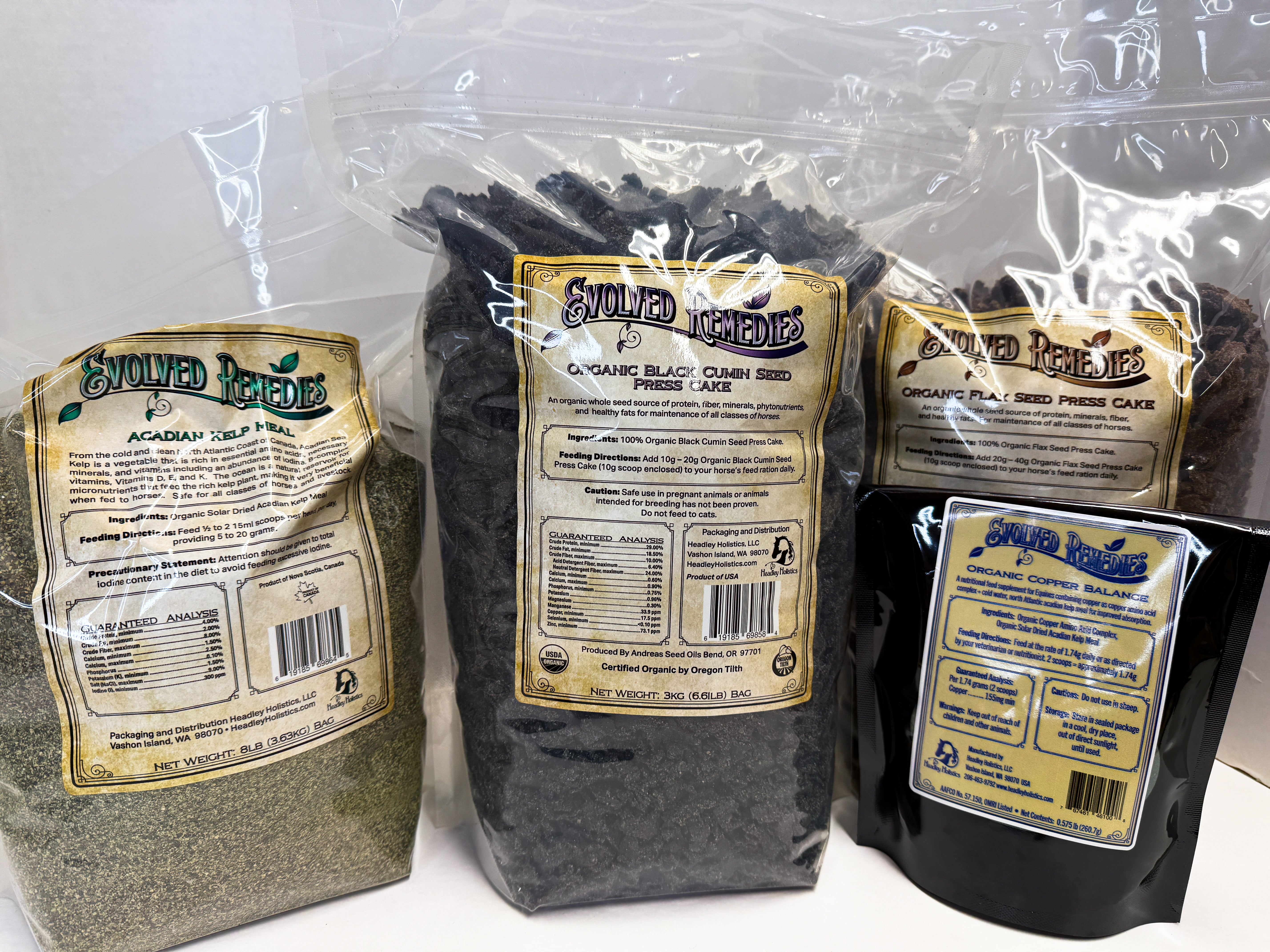
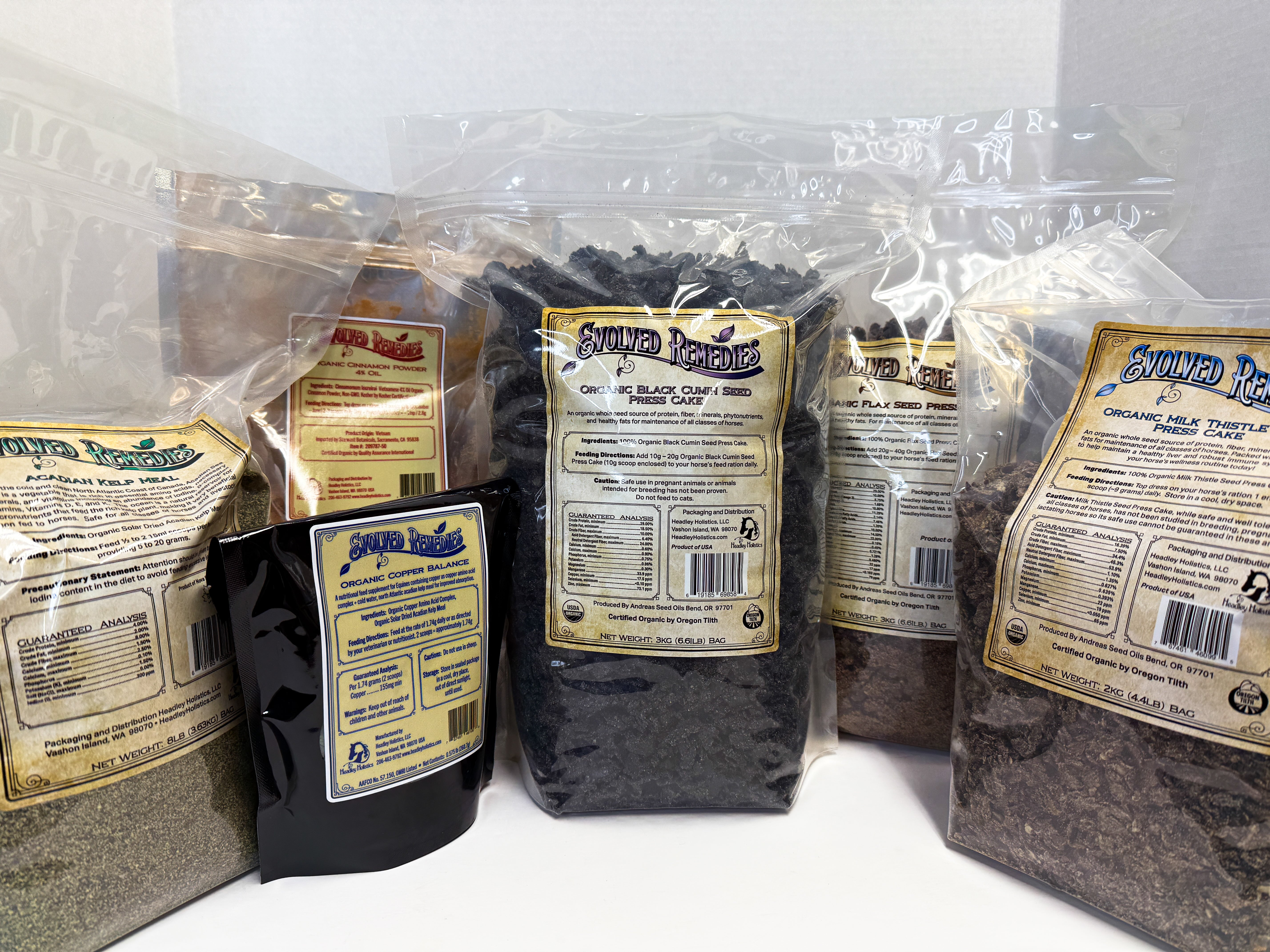
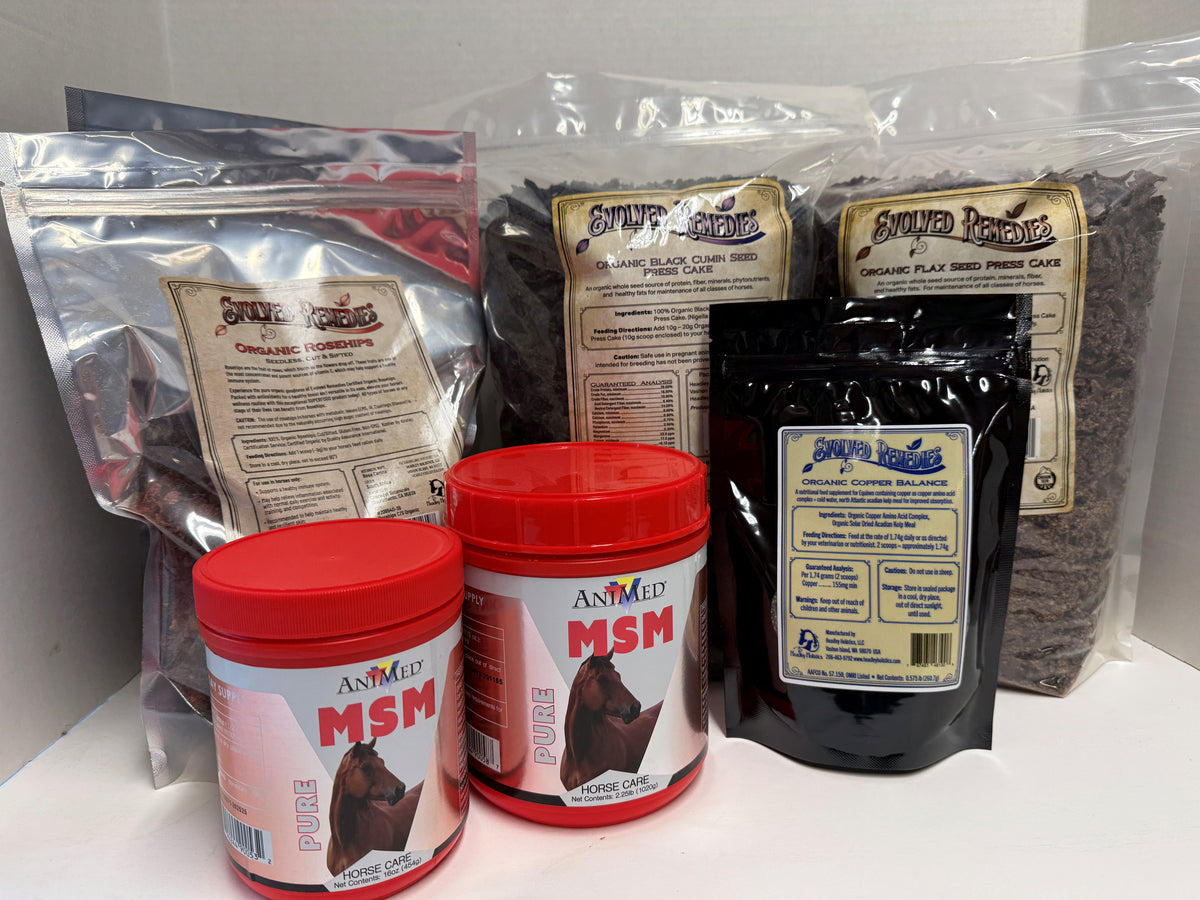
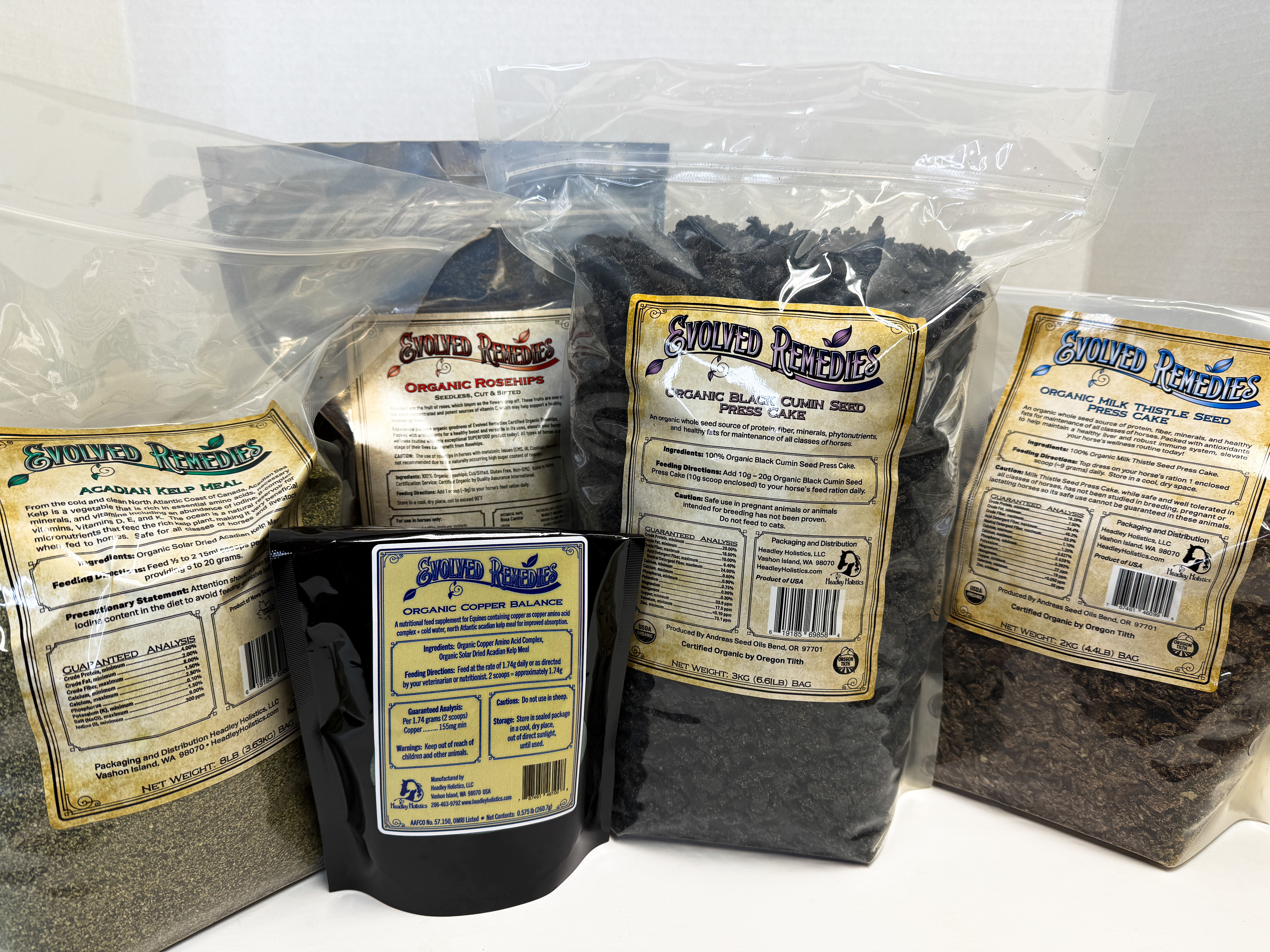
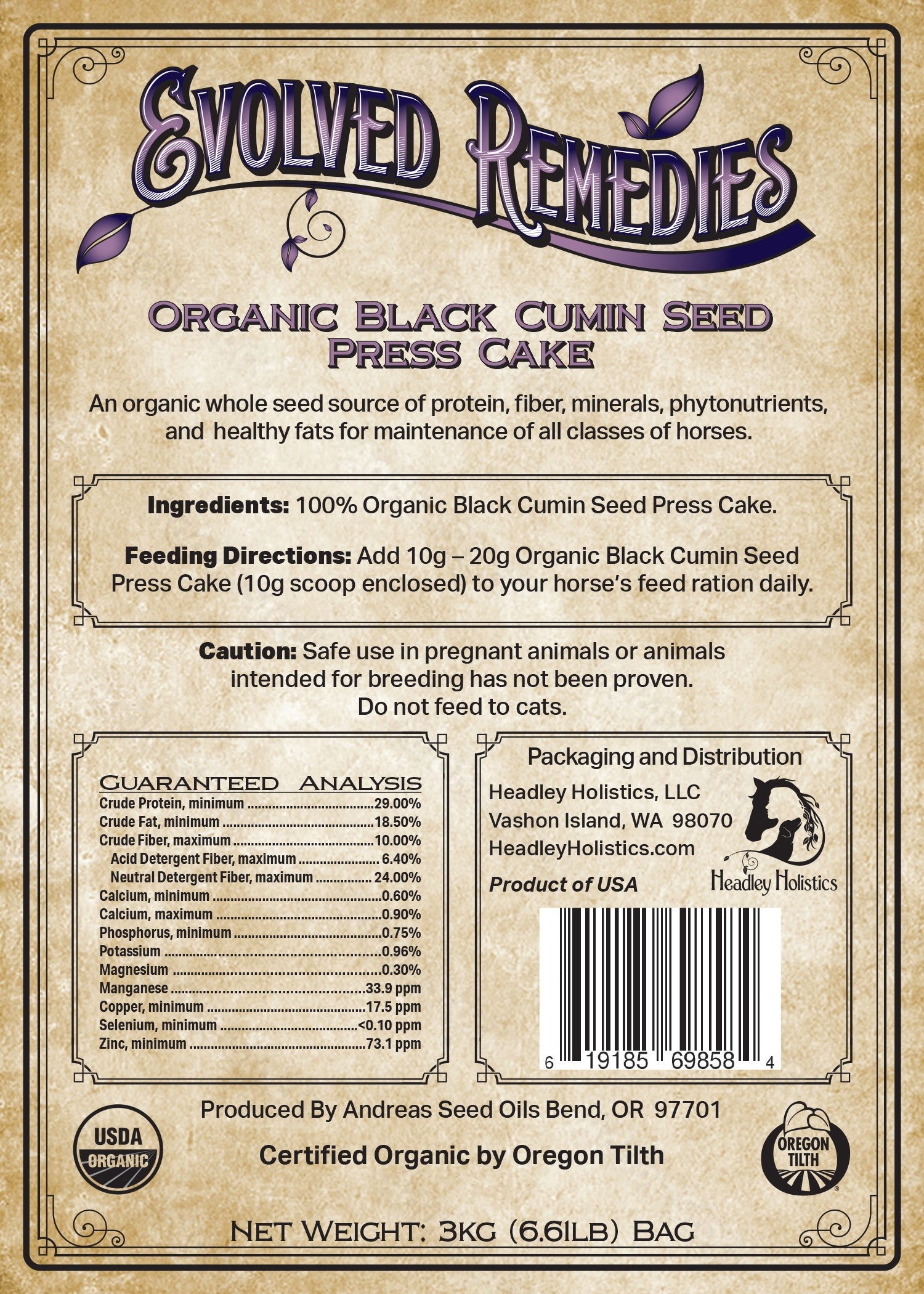
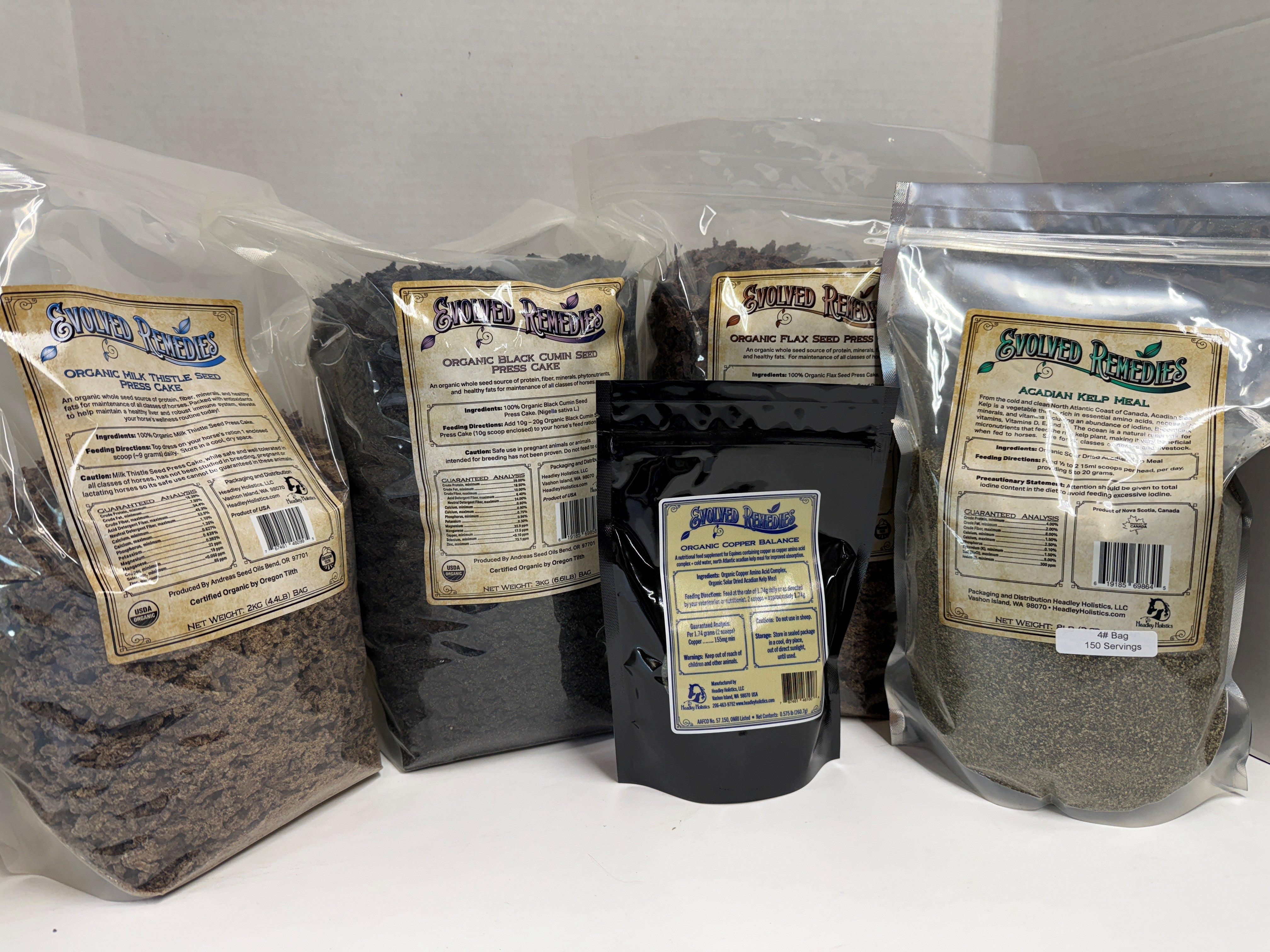
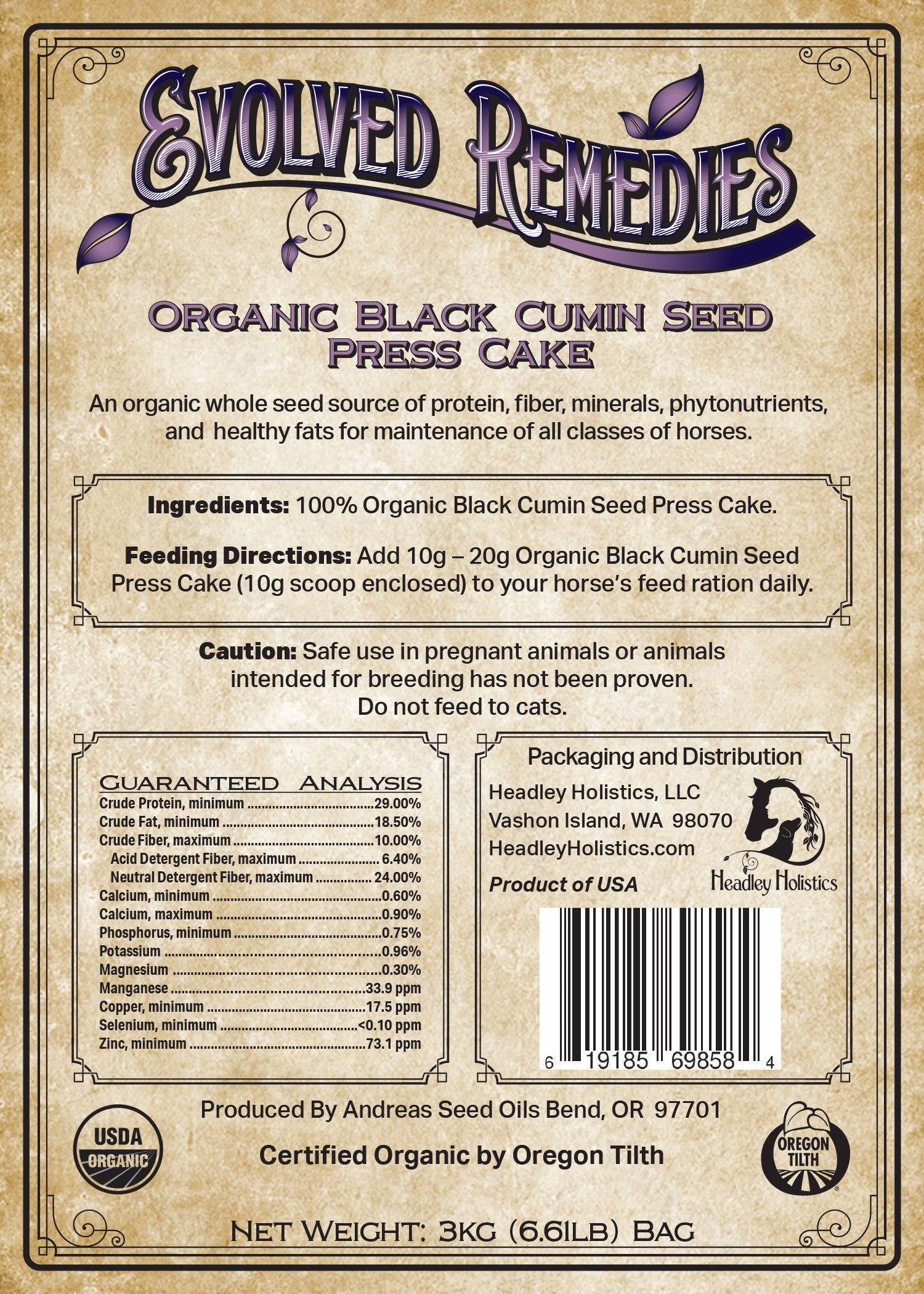
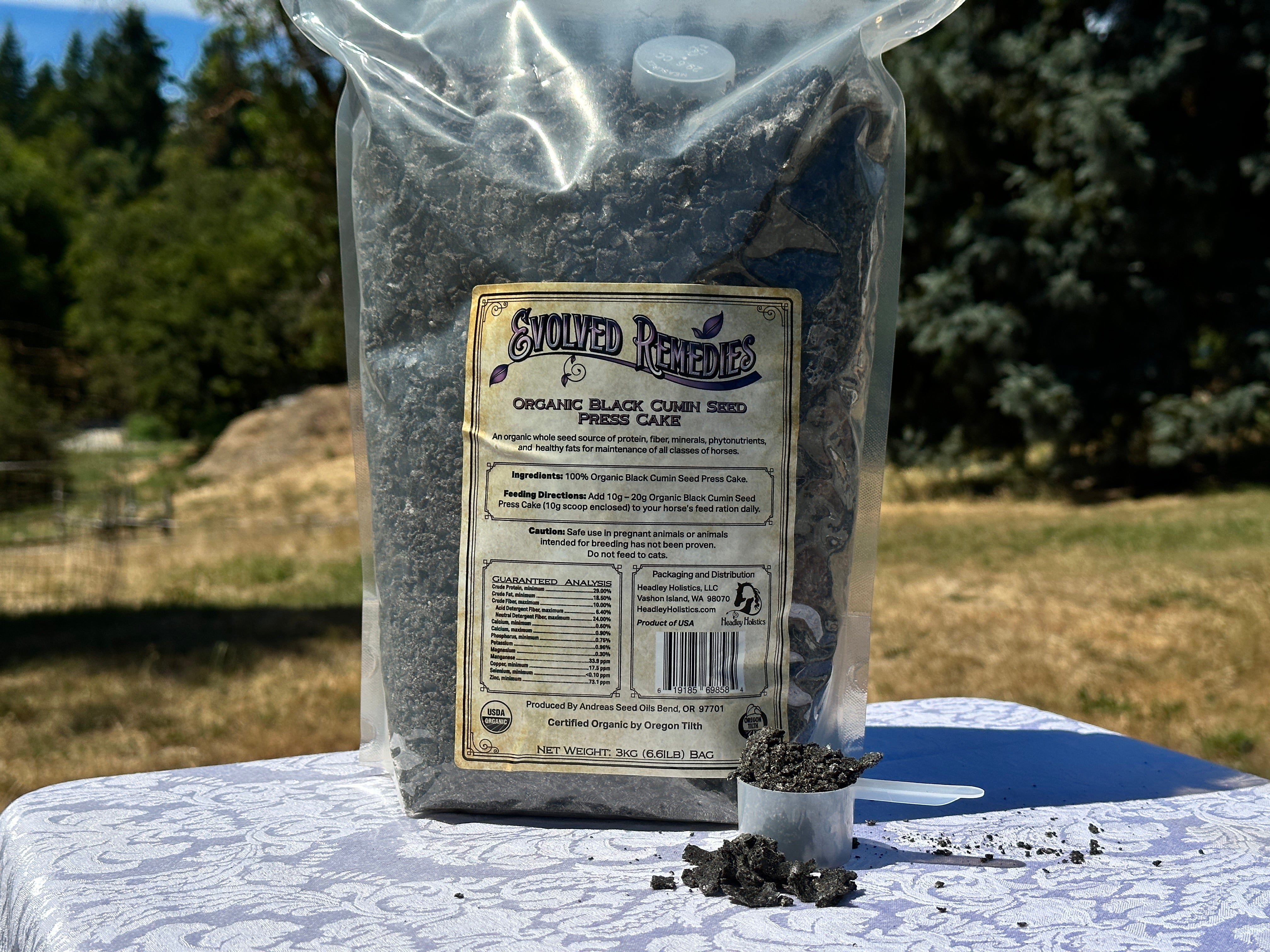
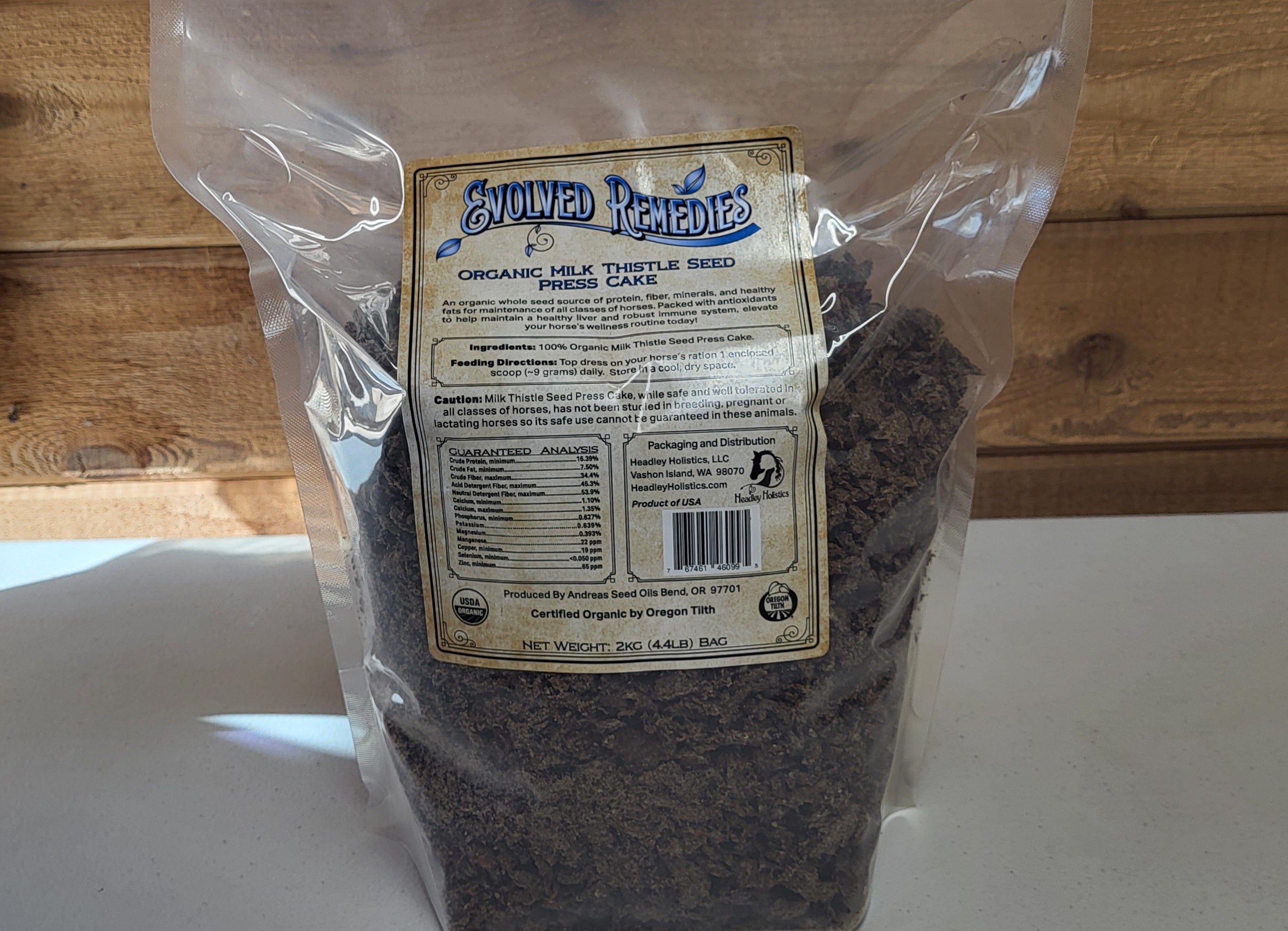
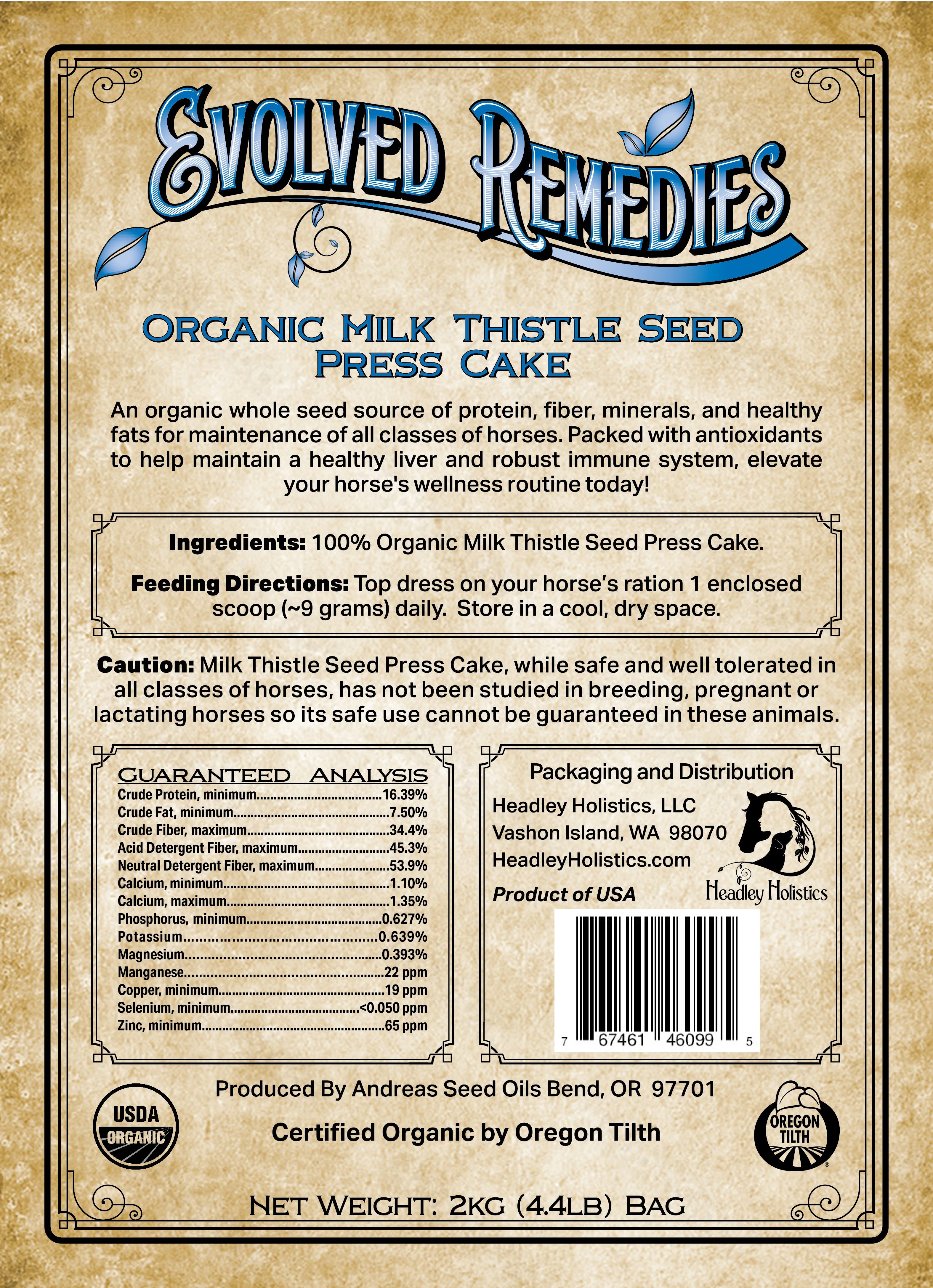
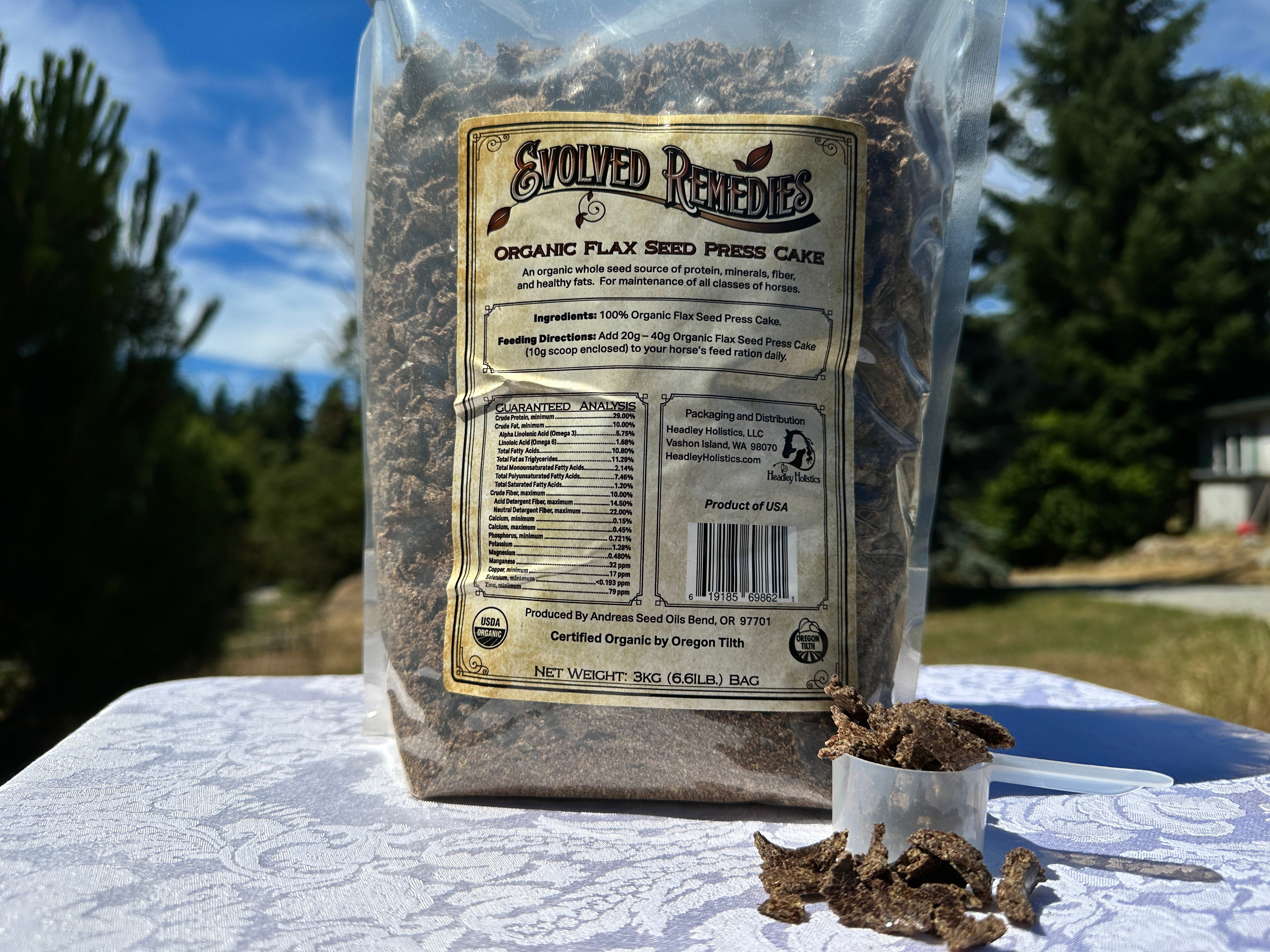
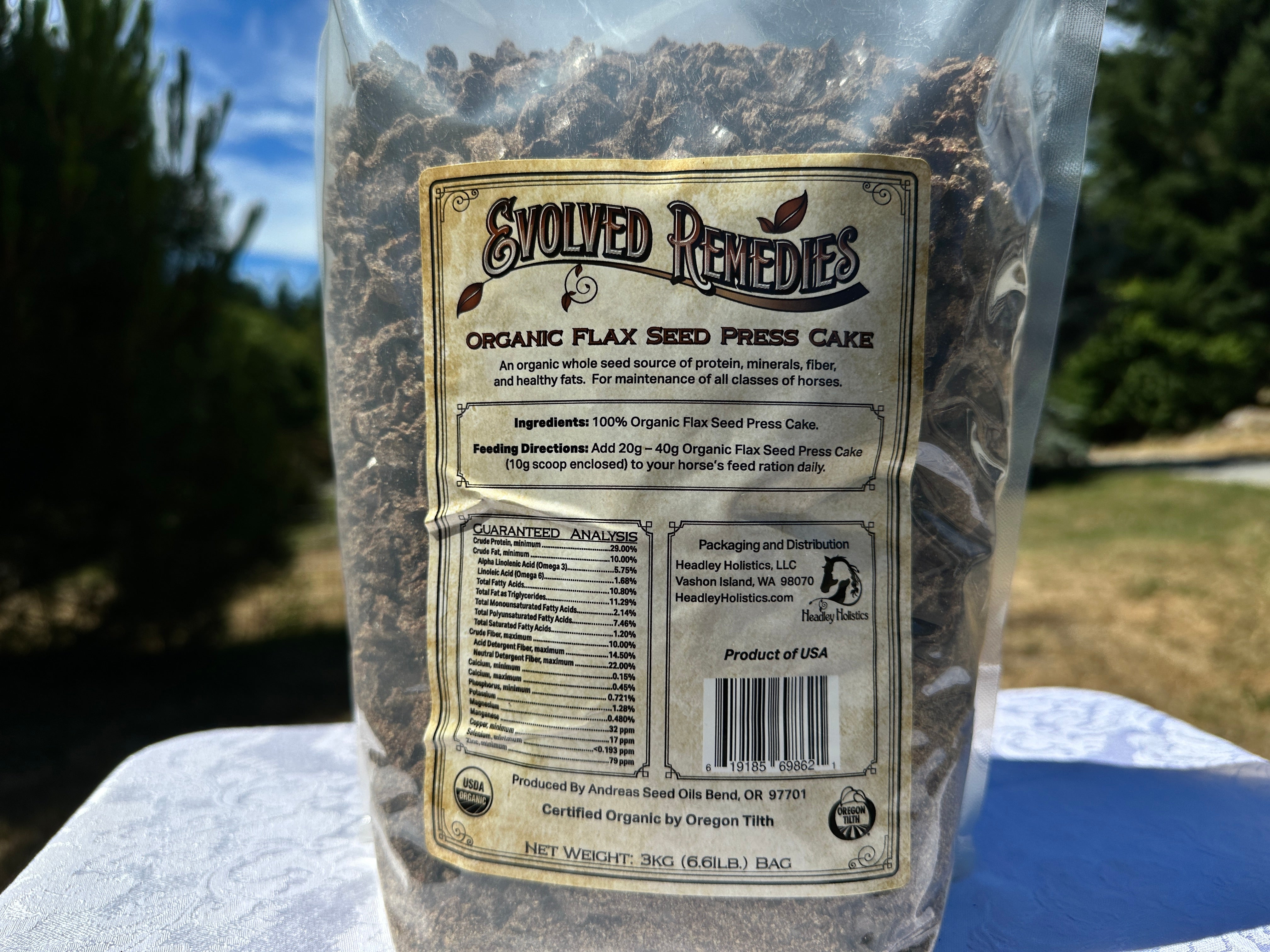
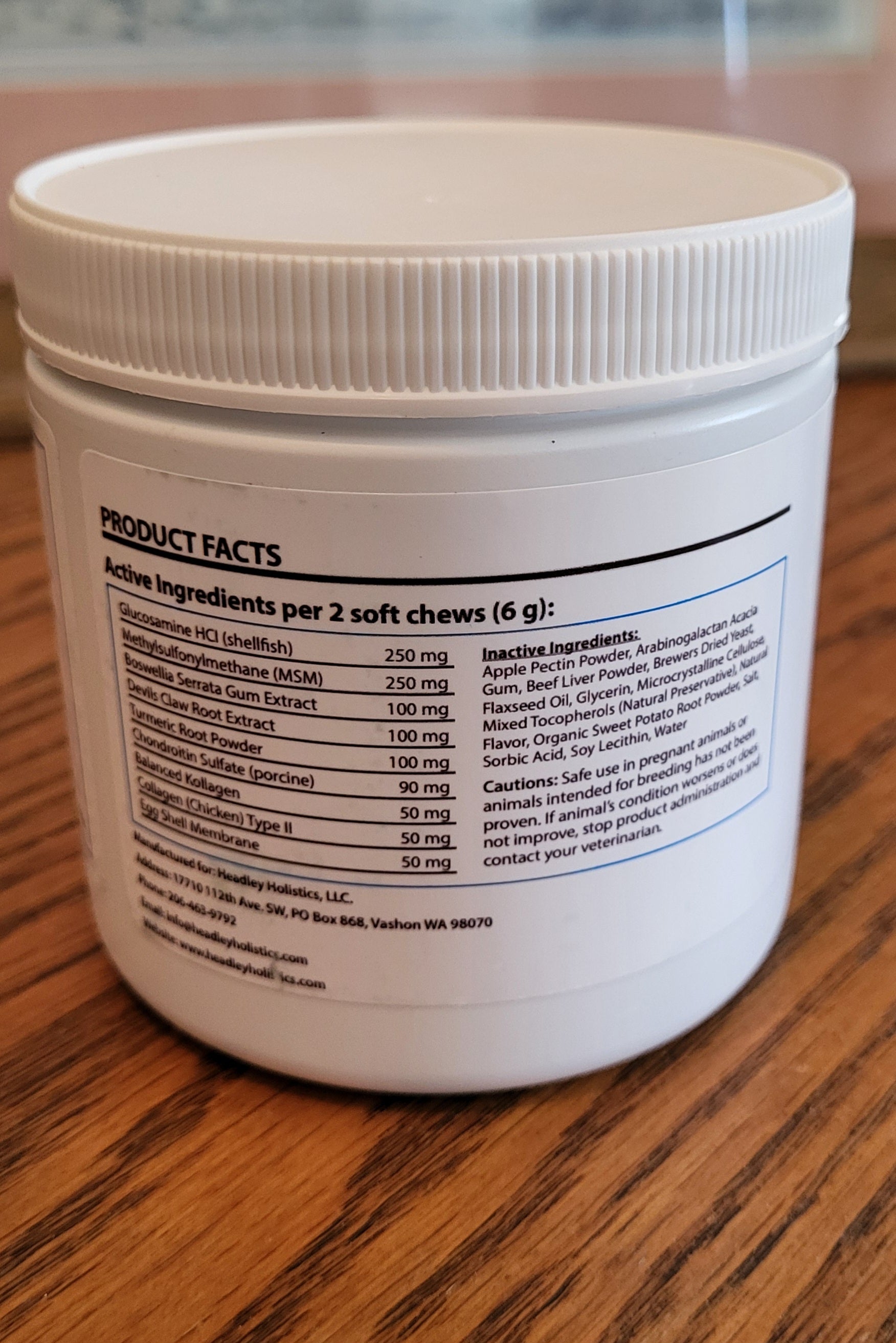
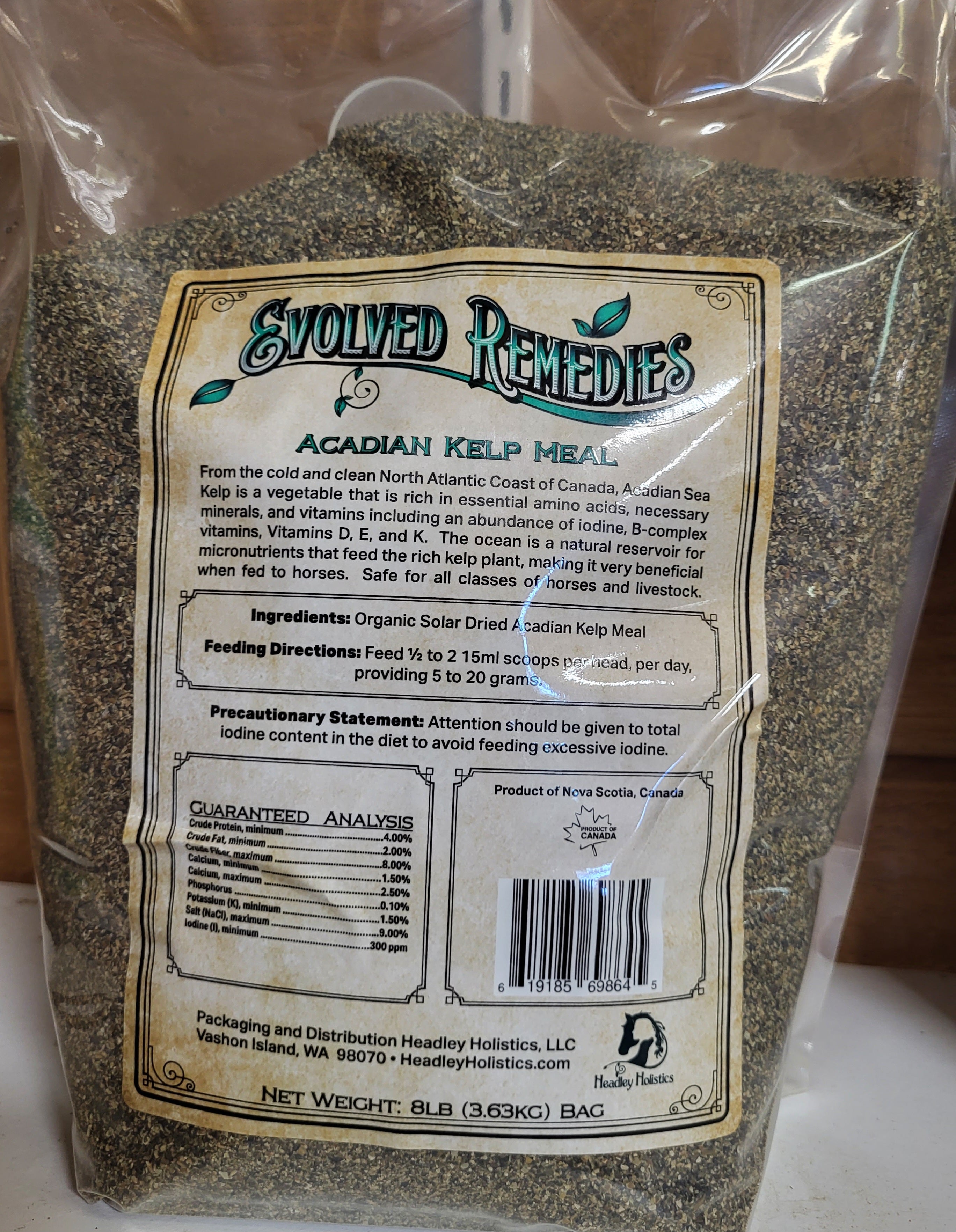
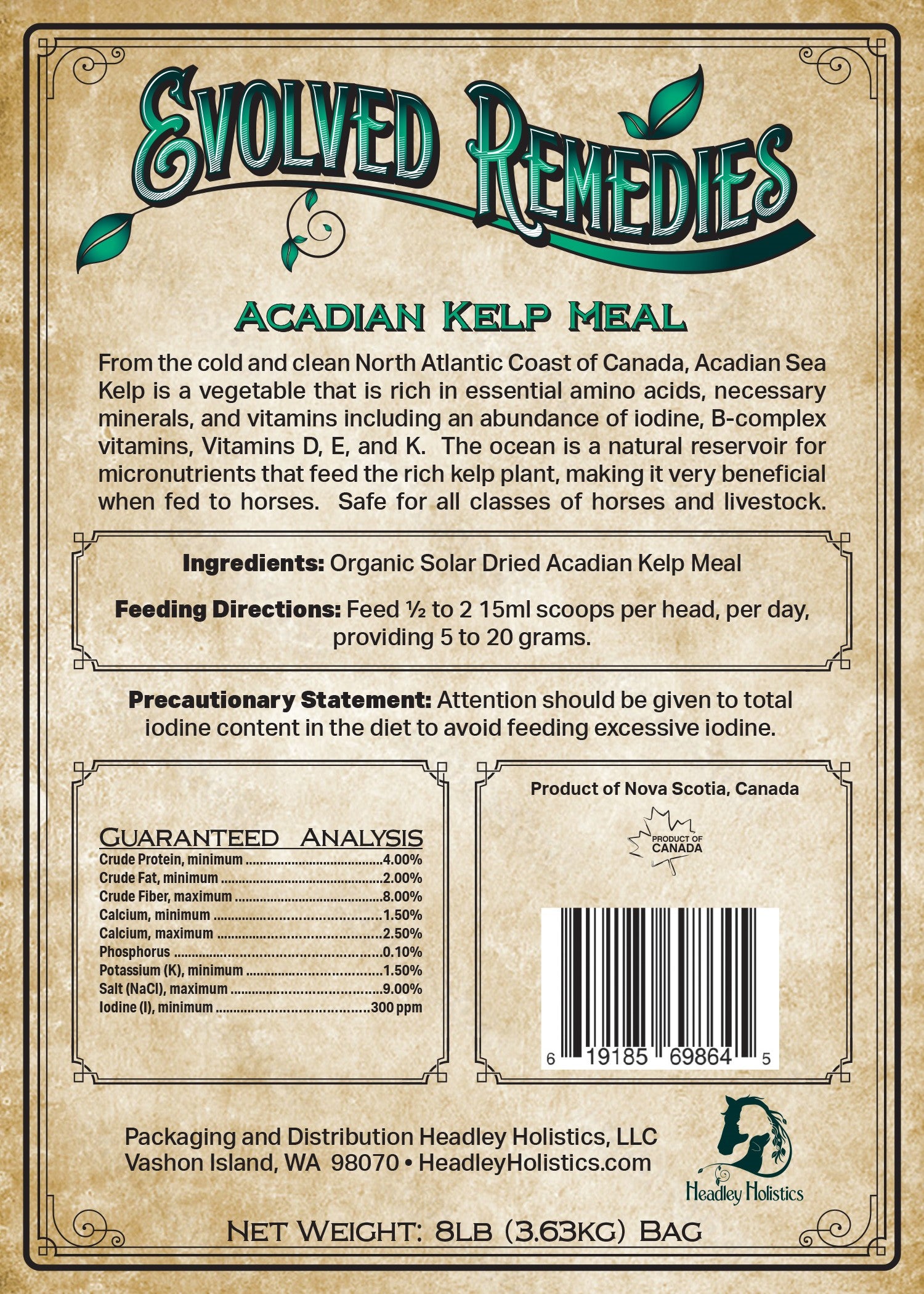
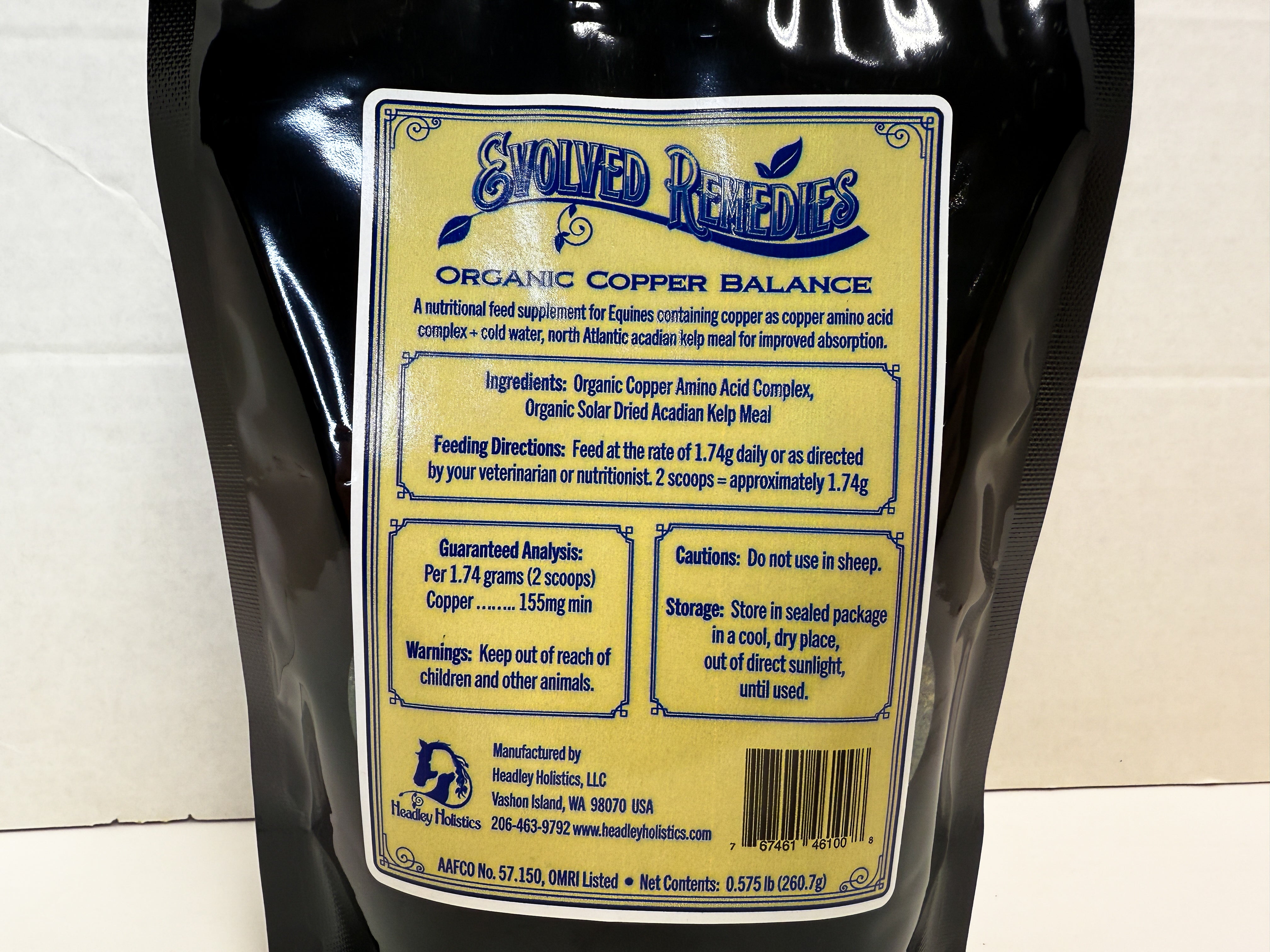
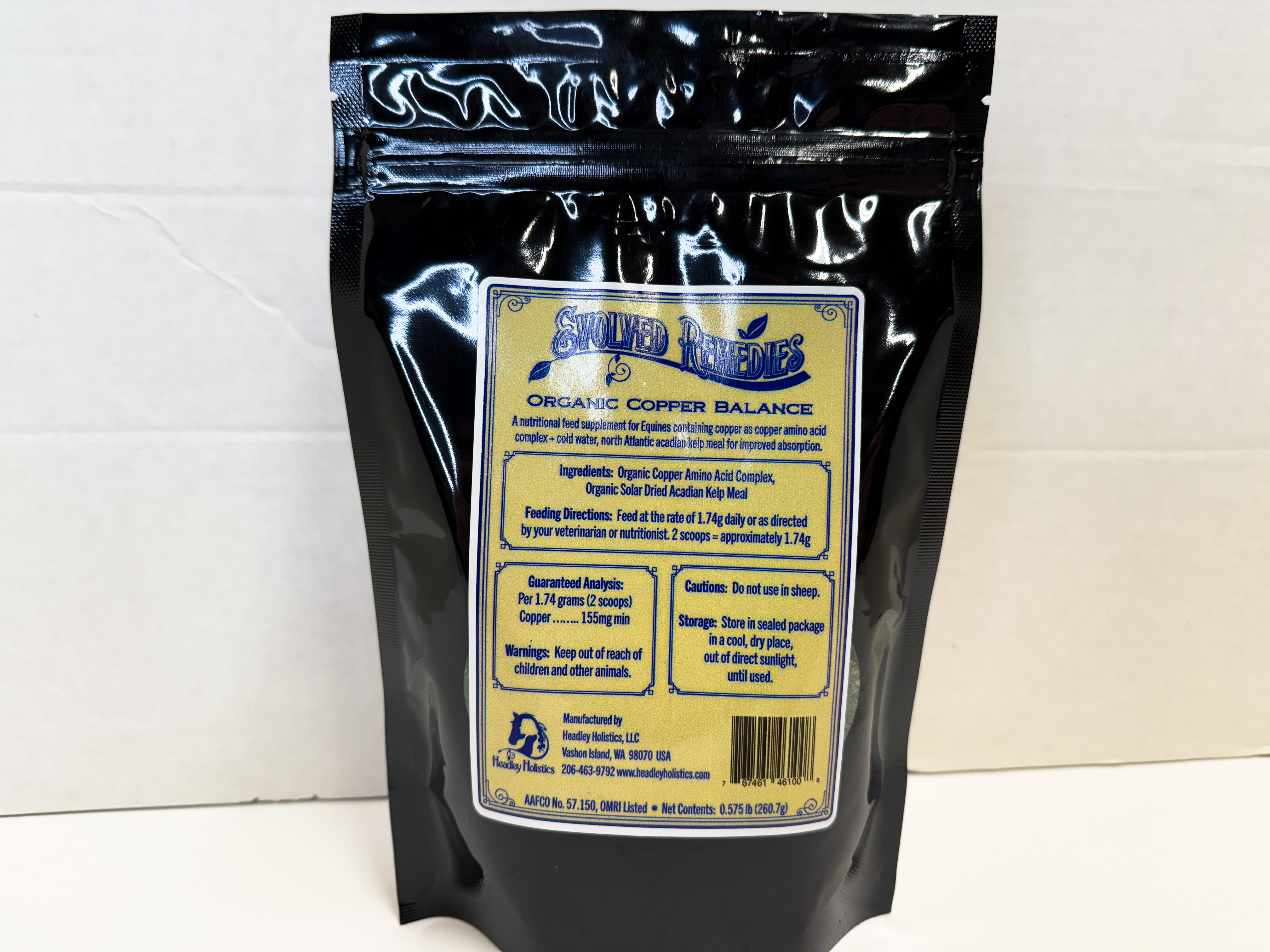
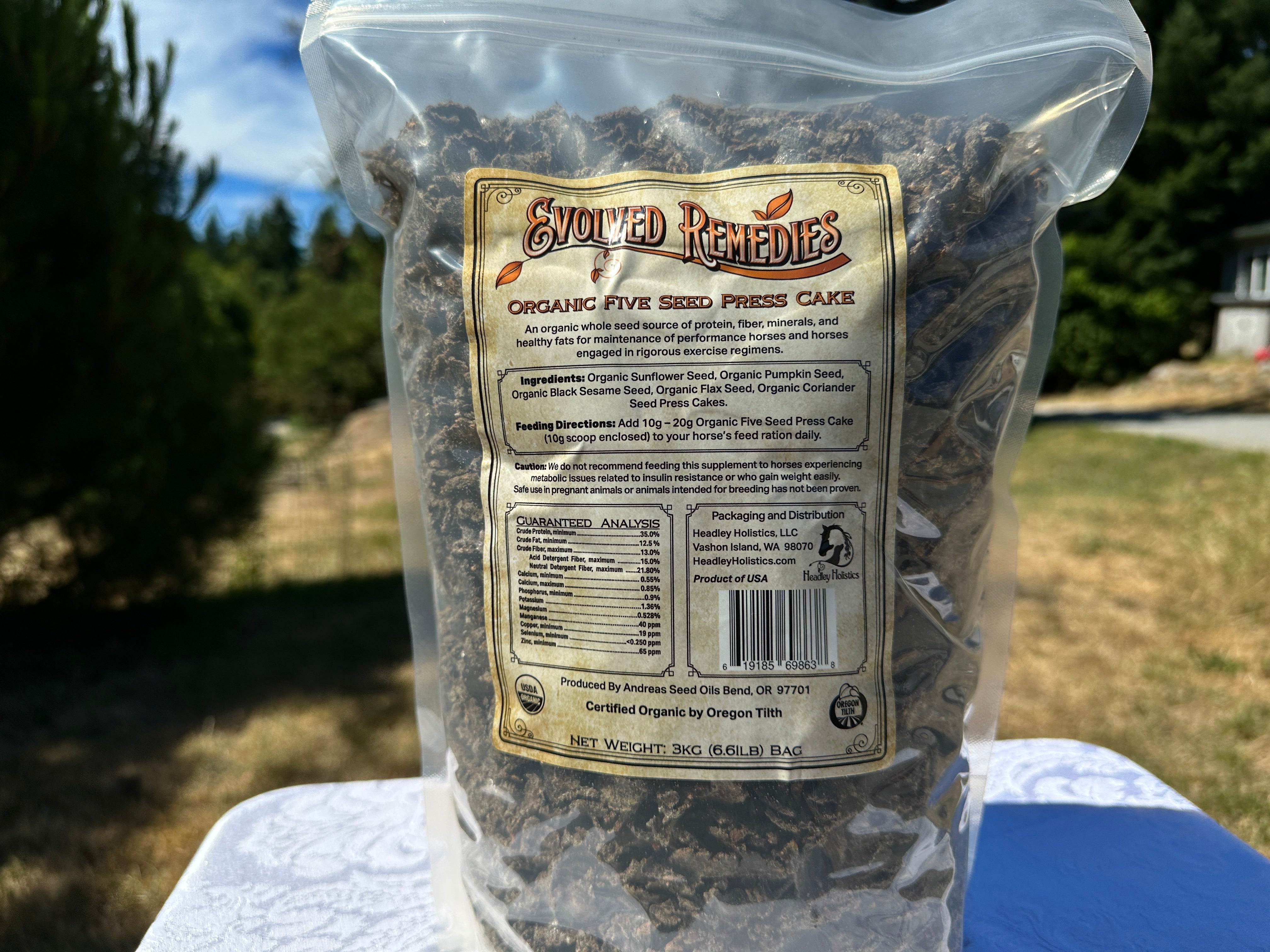
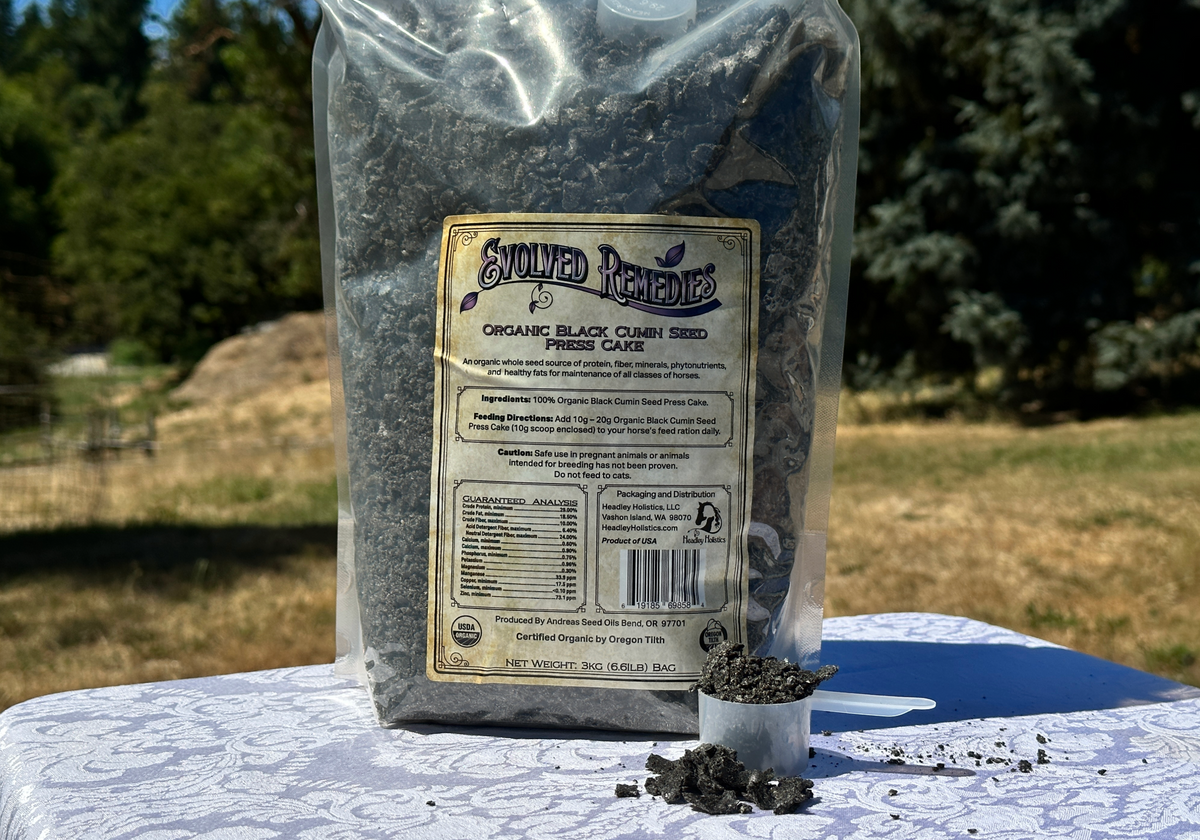
From there, replace synthetic supplements with whole food nutrition. The vitamins and minerals in most commercial supplements are synthetic and poorly absorbed. Whole food and superfood sources deliver the same nutrients in forms the body actually recognizes and uses — and they carry the additional bioactive compounds that synthetic versions simply do not have. A basic yet comprehensive whole food supplementation protocol is a good place to start, built around four organic, nutrient-dense foundations: Organic Black Cumin Seed Press Cake, Organic Flax Seed Press Cake, Cold Water North Atlantic Acadian Kelp Meal, and Organic Copper Balance. Together (General Wellness & Longevity Bundle) these provide a broad spectrum of bioavailable vitamins, minerals, amino acids, omega fatty acids, and bioactive compounds that support gut health, metabolism, immune function, coat quality, and structural integrity.
And give it time. A horse that has spent years on a contaminated diet will not transform overnight. The gut lining can begin to repair within weeks, but rebuilding a healthy microbiome and reversing established metabolic patterns takes months of consistency. Any feed change should be made gradually, over a minimum of 10 to 14 days, to protect the digestive system during the transition.
None of this requires you to believe every claim in this article with absolute certainty. It only requires you to look honestly at the evidence, recognize that the timeline and the mechanisms both point toward the feed, and decide that reducing your horse's exposure is a reasonable thing to do. The horses we have worked with over three decades tell the same story again and again. When the contaminated feed comes out and clean whole food goes in, they get better.
The timelines raised the question. Your feed bucket is where you answer it.
Ready to put this to work?
Start small with the 2-week sample, or go straight to the full-size press cake — first order ships free either way.
Shop the press cake →Frequently Asked Questions
Are horses really getting sicker, or do we just diagnose problems better now?
Both are partly true, but improved diagnostics do not explain the scale of the change. Equine Metabolic Syndrome was not even named until 2002, not because vets couldn't recognize it, but because it was rare enough that it didn't need a name. Laminitis prevalence rose from roughly 2% around 2000 to about 10% by 2023. Conditions becoming five times more common in two decades is not something better blood tests can account for. The increase is real.
What is the connection between 1974 and 1996?
1974 is when glyphosate was first approved for agricultural use. 1996 is when genetically modified Roundup Ready crops were introduced, allowing glyphosate to be sprayed directly on growing crops for the first time. That second date is the inflection point — it is when glyphosate use exploded, multiplying many times over in the years that followed and saturating the corn, soy, wheat, and beet pulp that form the base of most horse feed.
Doesn't the fact that horses have always eaten grain disprove the glyphosate theory?
Actually, it strengthens it. Horses ate grain for over a century — American horses were eating more corn than oats as far back as 1912 — without today's epidemic of metabolic disease. The grain is not new. What changed in the 1990s is how that grain is grown and treated: sprayed directly with glyphosate on GMO crops, and used as a pre-harvest desiccant on conventional ones. The recent disease explosion points not to the grain itself, but to what changed about it.
Does the timeline prove glyphosate causes these diseases?
No, and we are careful not to claim that it does. Correlation is not causation. What we have is a strong, specific correlation across many conditions over a precise timeframe, combined with well-documented biological mechanisms and the failure of alternative explanations like overfeeding to account for the timing. That combination is not proof, but it is exactly the kind of evidence that warrants serious concern and justifies reducing your horse's exposure.
Isn't this just about horses being fed too much grain and not exercised enough?
High-grain diets and lack of exercise are real contributors to metabolic problems, and we do not dismiss them. But they cannot be the whole story. Horses ate grain for over a century without this epidemic, so grain alone can't explain it. The shift to under-exercised companion horses was gradual, while the disease explosion was sudden and recent. And we routinely see well-managed, properly exercised horses become metabolic anyway. Most importantly, grain and glyphosate aren't competing explanations — glyphosate's effects amplify the damage of a high-grain diet rather than replacing it. The most likely reading is that glyphosate is the new factor that turned a long-standing, manageable risk into an epidemic.
What is the single most important thing I can do for my horse based on this article?
Look at your feed labels and remove the most contaminated ingredients — corn, soy, wheat, and beet pulp derivatives. Move to a clean, forage-first diet and replace synthetic supplements with whole food nutrition. You do not need scientific certainty to make this change. It is low-risk, aligned with what horses evolved to eat, and in our thirty years of experience, it consistently helps horses get healthier.
Bibliography
Benbrook, C.M. (2016). Trends in glyphosate herbicide use in the United States and globally. Environmental Sciences Europe, 28(3). https://doi.org/10.1186/s12302-016-0070-0
Hintz, H.F. (1998). Developments in equine nutrition: comparing the beginning and end of this century. The Journal of Nutrition, 128(12), 2698S–2703S.
Johnson, P.J. (2002). The equine metabolic syndrome: peripheral Cushing's syndrome. Veterinary Clinics of North America: Equine Practice, 18(2), 271–293.
Leite, M.F., et al. (2022). Gut microbiota sensitivity to glyphosate-based herbicides in mammals. Nature Communications, 13, 4642.
Pollard, D., Wylie, C.E., Verheyen, K.L.P., & Newton, J.R. (2019). Assessment of horse owners' ability to recognise equine laminitis. Equine Veterinary Journal, 51(6).
Samsel, A., & Seneff, S. (2013). Glyphosate's suppression of cytochrome P450 enzymes and amino acid biosynthesis by the gut microbiome: pathways to modern diseases. Entropy, 15(4), 1416–1463.
Thatcher, C.D., Pleasant, R.S., Geor, R.J., & Elvinger, F. (2012). Prevalence of overconditioning in mature horses in southwest Virginia during the summer. Journal of Veterinary Internal Medicine, 26(6), 1413–1418.
Torcivia, C., & McDonnell, S.M. (2025). Behavioral signature of equine gastric discomfort? Preliminary retrospective clinical observations. Animals, 15(1), 88.
USDA. (2000). Lameness and laminitis in U.S. horses. United States Department of Agriculture, National Animal Health Monitoring System.
USDA. (2023). Pesticide use in U.S. agriculture. United States Department of Agriculture, Agricultural Statistics Service.
Wyse, C.A., McNie, K.A., Tannahill, V.J., Murray, J.K., & Love, S. (2008). Prevalence of obesity in riding horses in Scotland. Veterinary Record, 162(18), 590–591.







1 comment
I’ve been saying for years That if they don’t care about us and what humans eat Then why should they care about what are animals eat Humans have been getting Sick/Cancer more and more also Just about the same time line as what your article has shown Thank you for waking us up!
Sherry
Leave a comment
This site is protected by hCaptcha and the hCaptcha Privacy Policy and Terms of Service apply.