

How Does Glyphosate Affect a Horse's Body? The Five Mechanisms Explained
Quick answer: Glyphosate, the active ingredient in Roundup, may affect a horse's health through five distinct biological mechanisms. It behaves like an antibiotic that disrupts the gut microbiome; it weakens the gut wall by triggering the protein zonulin, opening the "tight junctions" that hold the gut barrier closed (leaky gut); it chelates, or binds and locks up, essential minerals like manganese, copper, and zinc; it blocks the shikimate pathway that gut bacteria use to manufacture key amino acids; and — as proposed by MIT researchers, though disputed by other scientists — it may substitute for the amino acid glycine inside structural proteins such as collagen. The first four mechanisms are well documented in the scientific literature. The fifth remains an unconfirmed hypothesis.
This article is the mechanism deep-dive in our glyphosate series. If you haven't yet, start with Why Are Horses Sicker Than They Used to Be? A Timeline of Equine Health and Glyphosate for the historical pattern, and What MIT Researchers and 30 Years on a Horse Farm Revealed About What's Making Horses Sick for the story behind why we started asking these questions in the first place.
To see these mechanisms converge in one common, painful condition, read how glyphosate may sit upstream of the hoof in what causes laminitis in horses
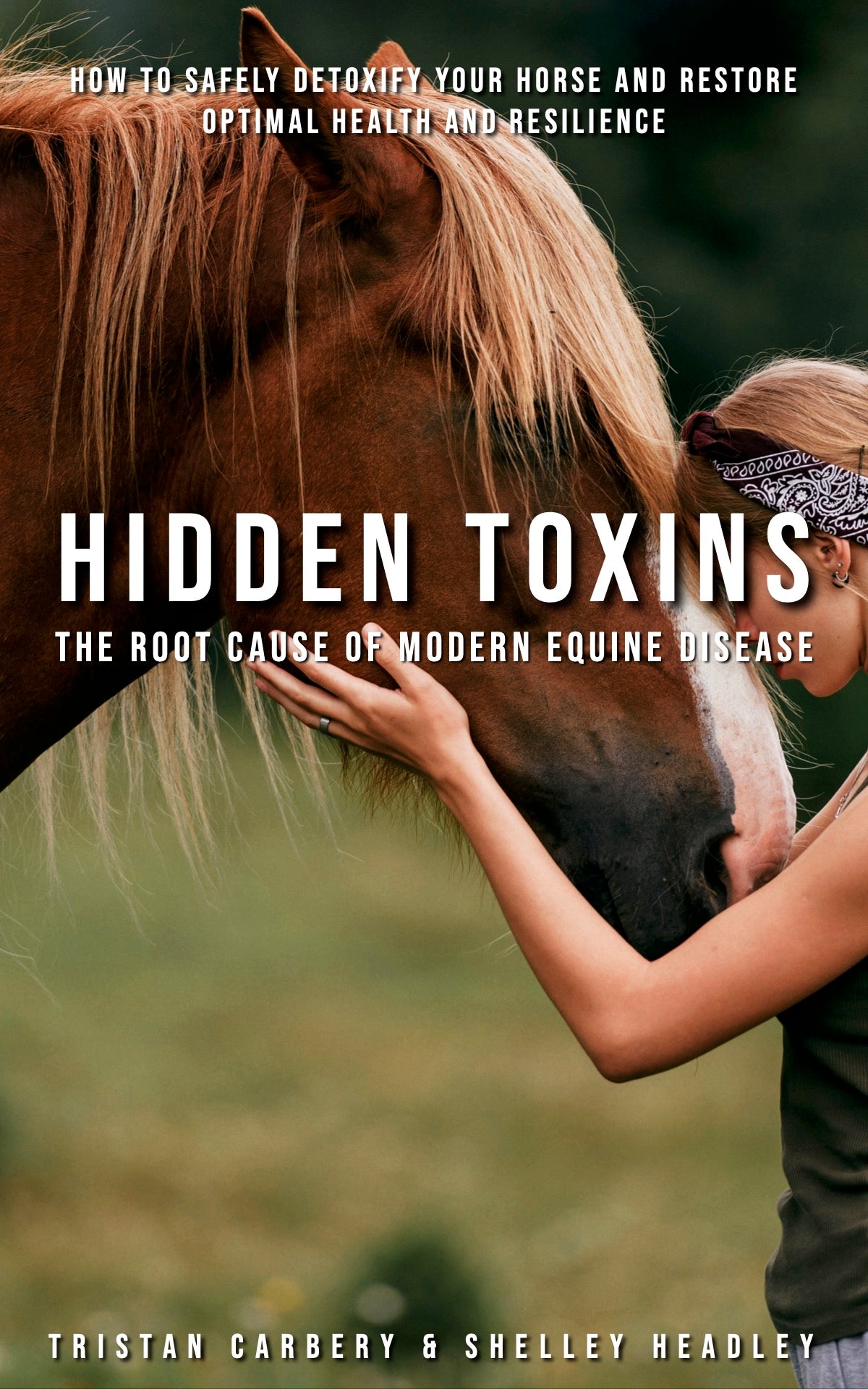
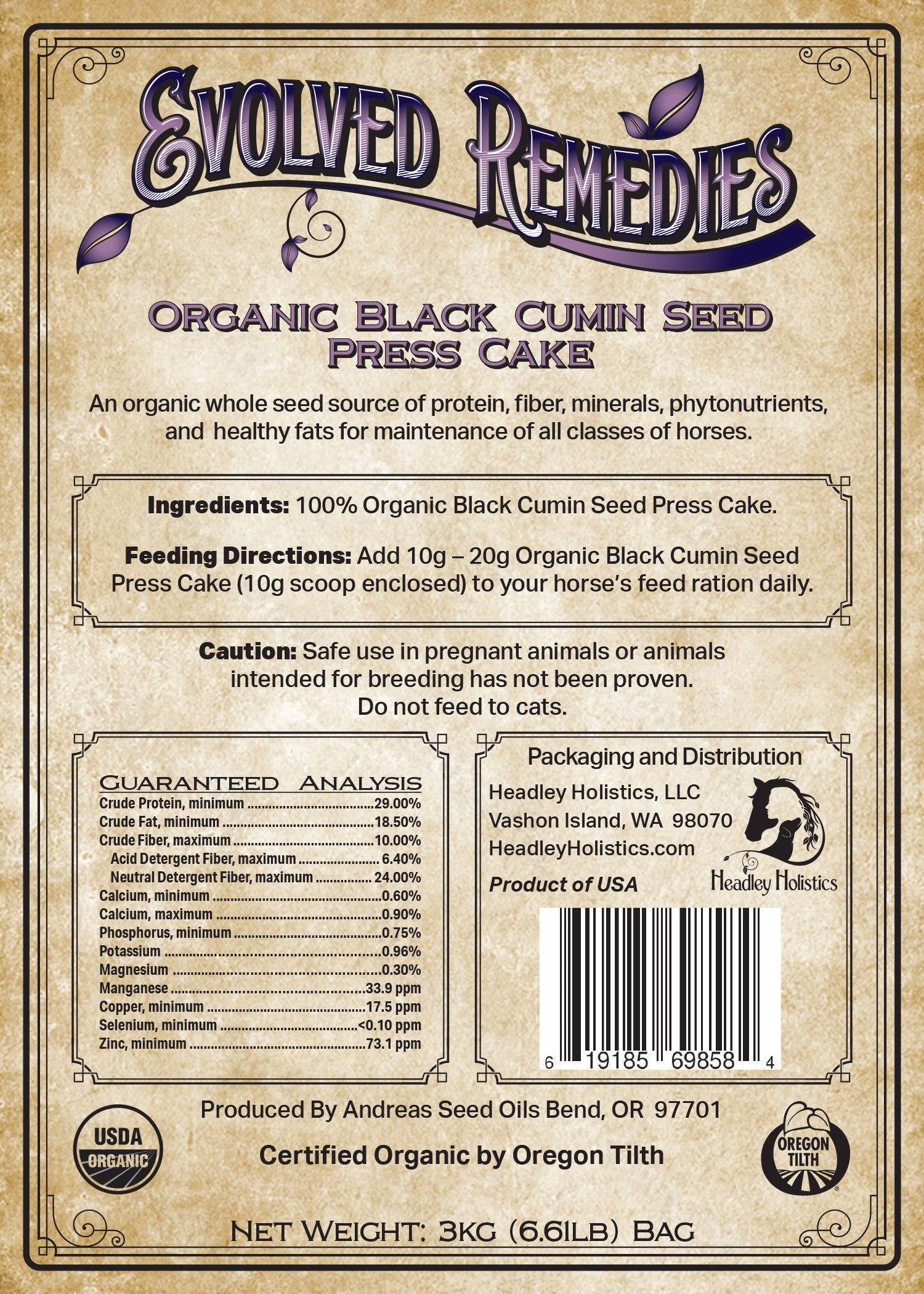
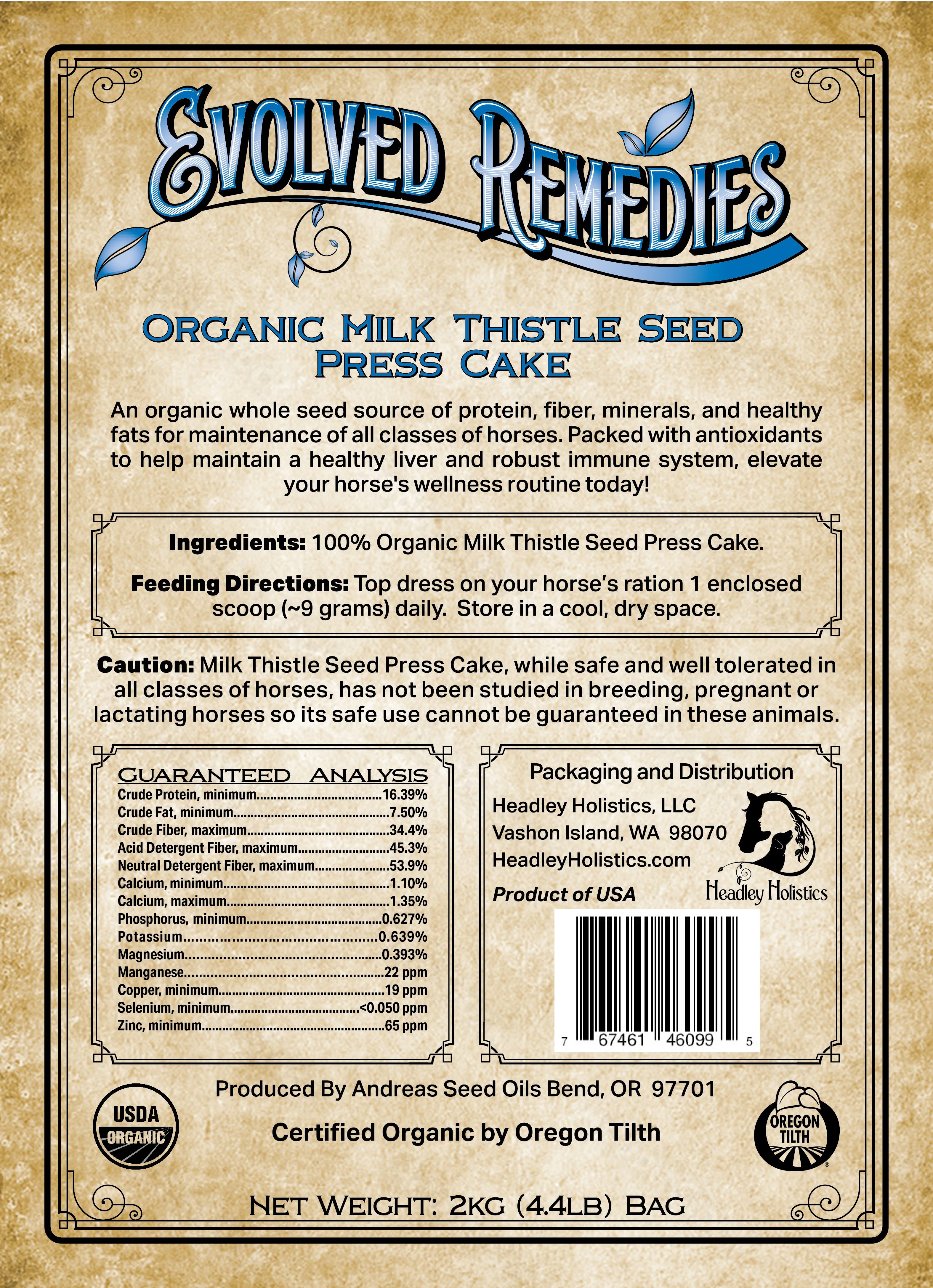
Rebuilding a horse from the inside starts with clean, whole-food nutrition — and black cumin seed is one of our favorites. Here's the full guide to feeding black cumin seed to horses
Want to try it with your own horse?
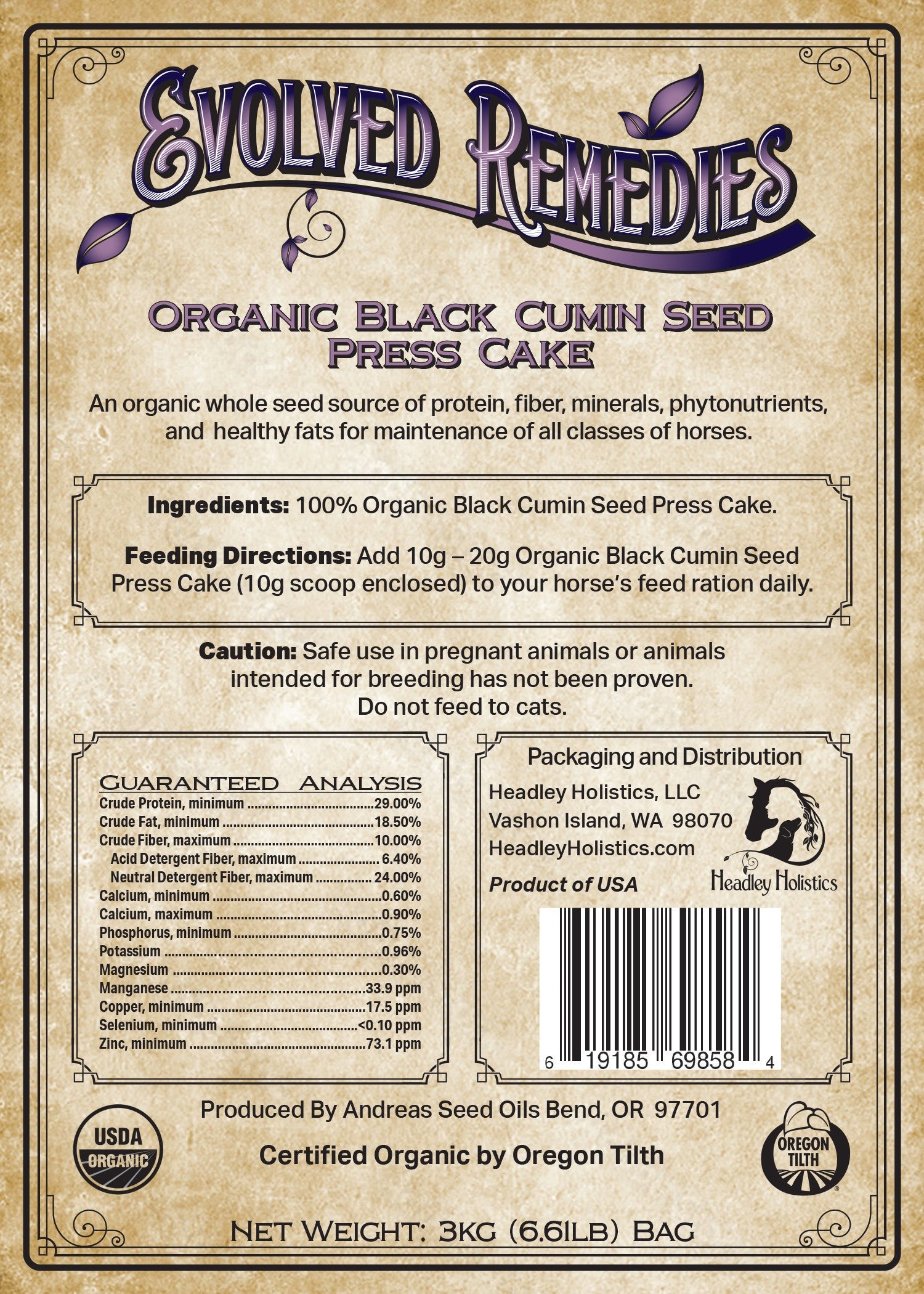
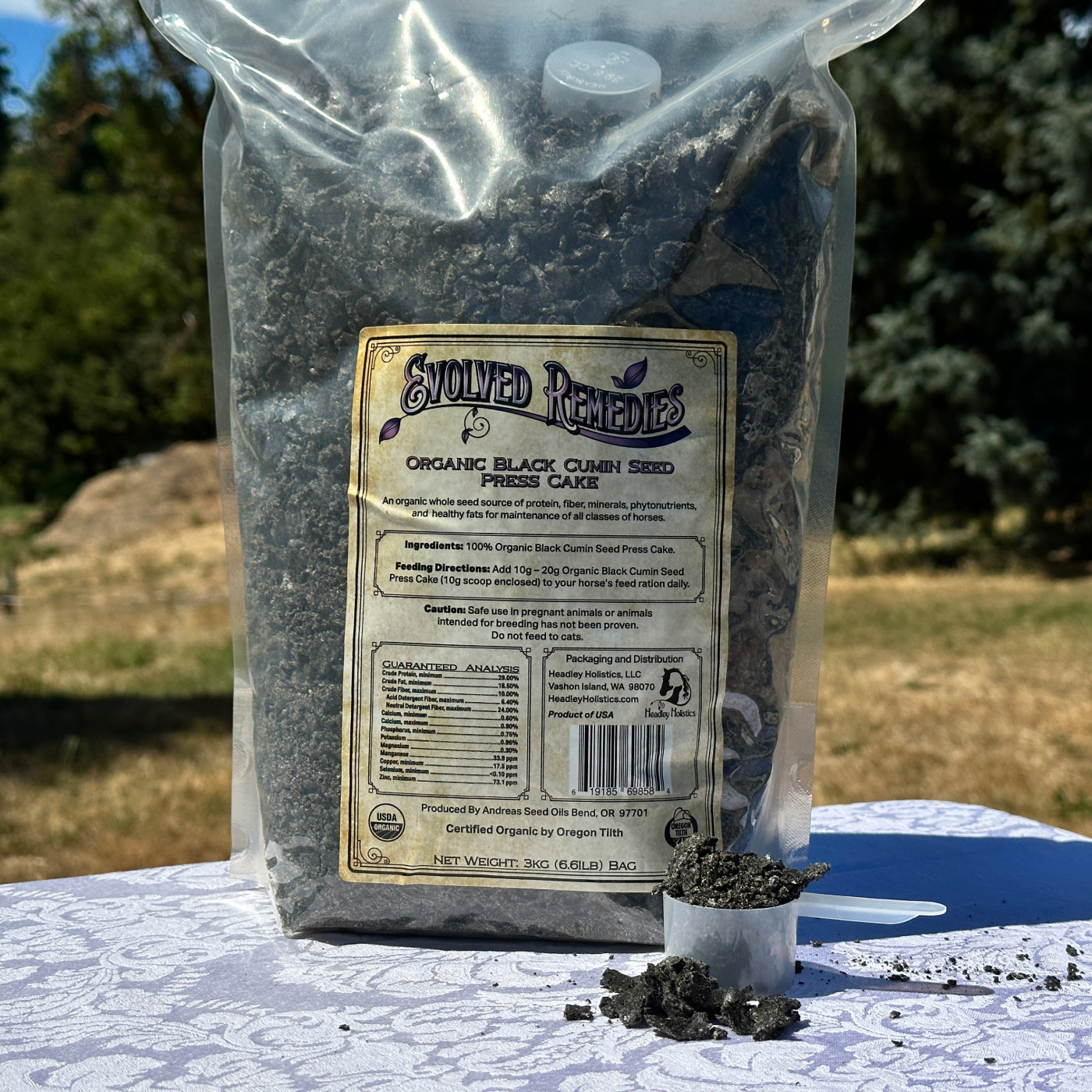
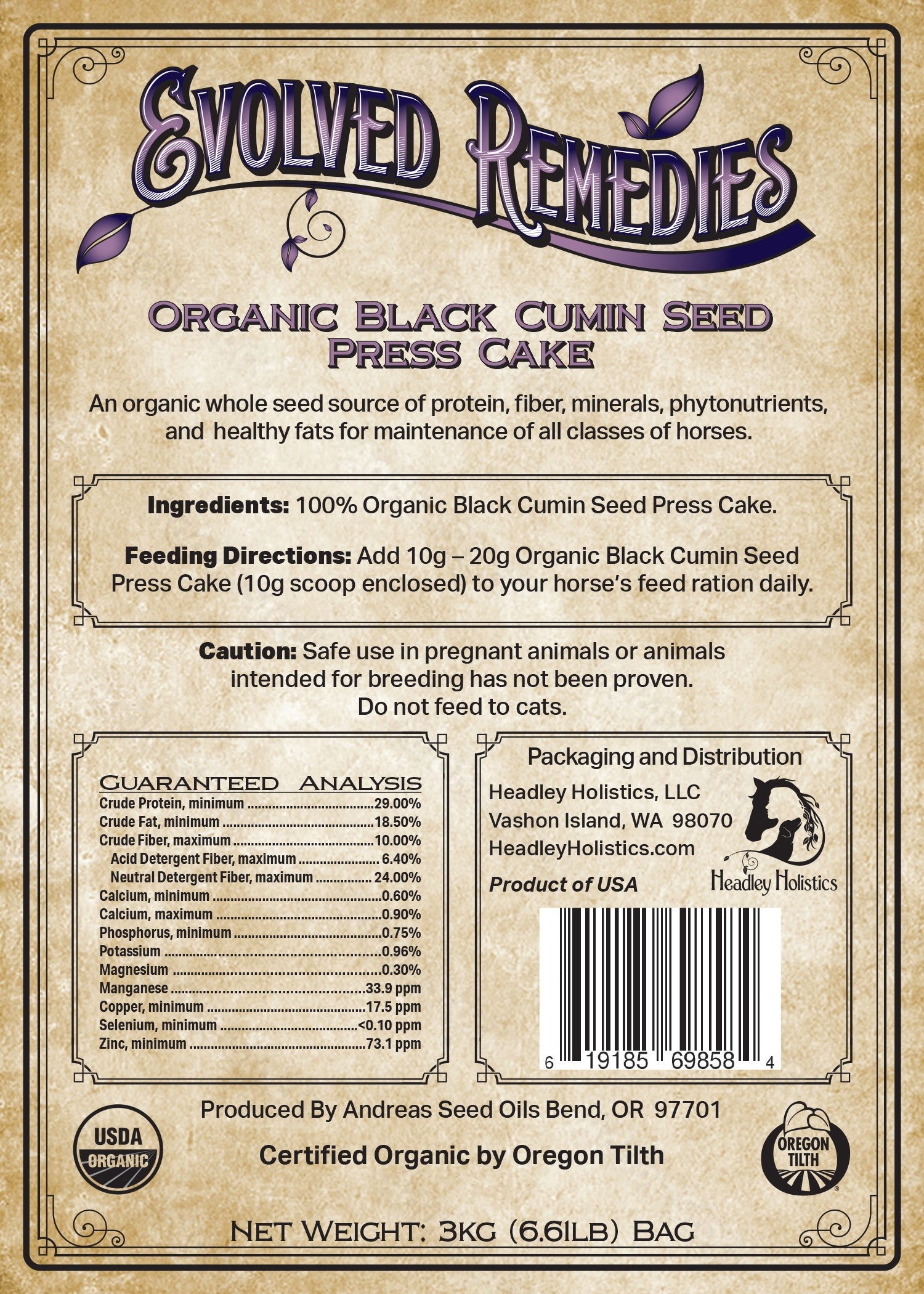
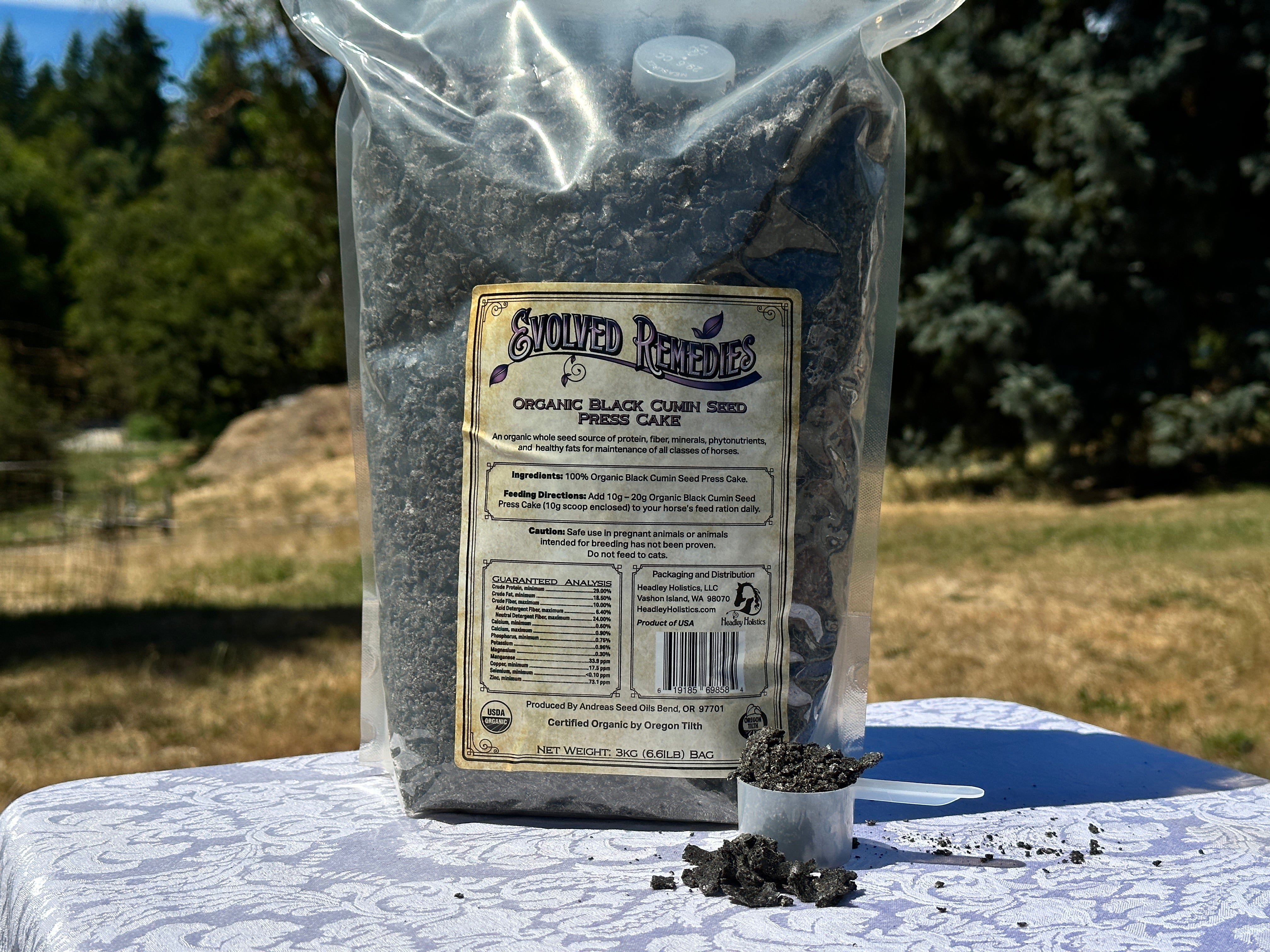
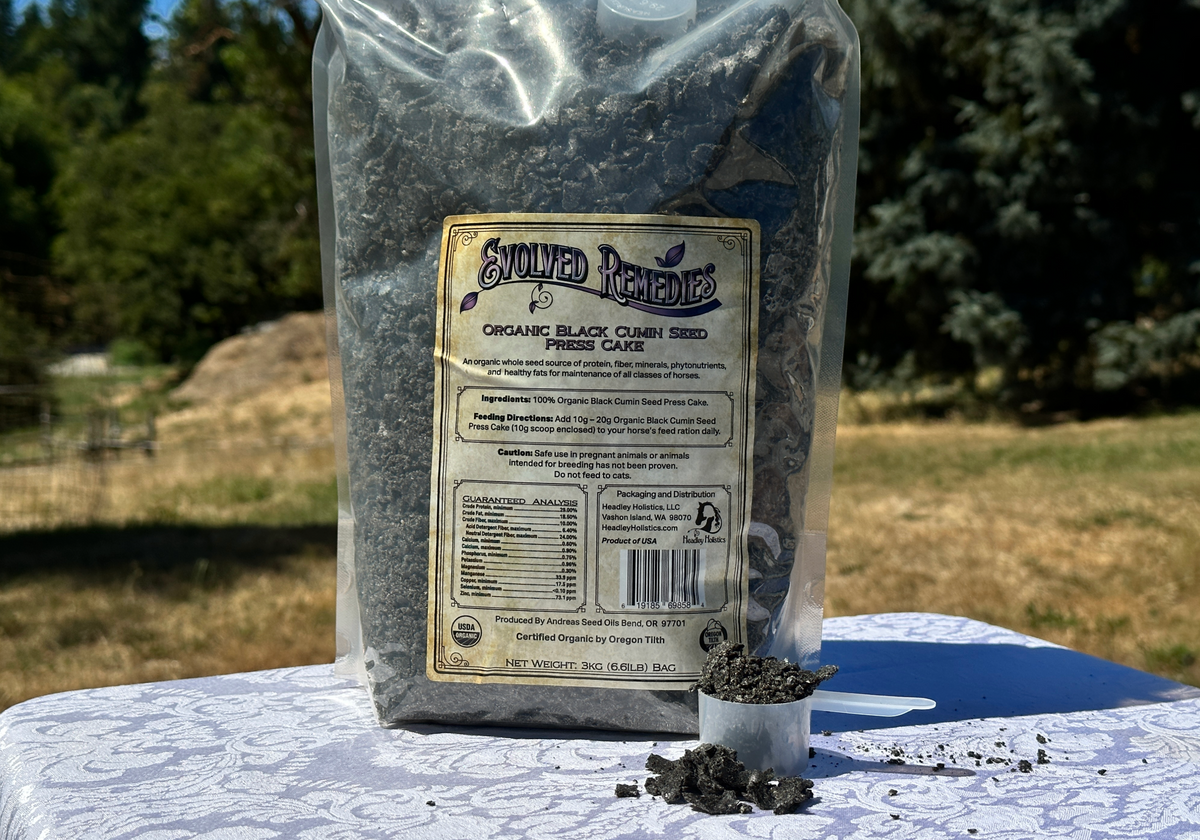
The easiest place to start is our 2-week sample of Organic Black Cumin Seed Press Cake — a low-cost way to see how your horse responds. First order ships free.
Start with the 2-week sample →What is glyphosate, and why should horse owners care?
Glyphosate is the active ingredient in Roundup and the most widely used agricultural chemical on the planet. It was introduced as a weed killer in 1974, and today it is sprayed on hundreds of millions of acres worldwide every year.
Here is the part most horse owners don't realize: glyphosate isn't only on genetically modified corn and soy. It is also commonly sprayed as a pre-harvest drying agent — a desiccant — on conventional grains like wheat, oats, and barley, and on legumes. That means even "natural," non-GMO feed ingredients can carry glyphosate residue.[1] Because horses eat large amounts of grain, hay, and forage by body weight, they can be exposed to it day after day.
In our timeline article, we laid out the striking pattern: as glyphosate use climbed, so did the rates of metabolic disease, laminitis, gut disorders, and chronic inflammation in horses. A pattern, though, is not a mechanism. The obvious next question is how. How could one chemical plausibly drive so many different problems? The answer is that glyphosate doesn't act in just one way. It acts in several — and the effects compound. Here are the five mechanisms, from the most established to the most debated.
Mechanism 1: How does glyphosate act like an antibiotic in the gut?
Most people think of glyphosate purely as a weed killer. But in 2010, a patent was granted describing glyphosate as an antimicrobial agent — an antibiotic.[2] That is not a fringe claim; it is on the patent record.
Why does that matter for a horse? Because a horse is, in a very real sense, a walking microbiome. The hindgut is home to trillions of bacteria that ferment fiber, extract nutrients, train the immune system, regulate inflammation, and even produce precursors for hormones and brain chemistry. When that bacterial community is healthy, the horse can absorb nutrients, fight off disease, and regulate its own weight and inflammation. When it's damaged, none of those systems work the way they should — no matter how much you spend on premium feed and supplements.
The concern with glyphosate is that, like a broad-spectrum antibiotic, it doesn't damage bacteria evenly. Laboratory research has found that it tends to suppress beneficial species such as Lactobacillus and Bifidobacterium — the very organisms found in probiotics — while leaving some potentially harmful species, like certain Clostridium strains, relatively unharmed.[3] The result is a microbiome tilted away from the good bacteria and toward the bad. In an animal whose entire health rests on hindgut fermentation, that imbalance — called dysbiosis — is the first domino.
Mechanism 2: How does glyphosate cause leaky gut?
If the first mechanism changes which bacteria live in the gut, the second one damages the gut wall itself.
The lining of the intestine is a single layer of cells held together by structures called tight junctions. Think of them as the grout between tiles. When the tight junctions are sealed, the gut barrier lets nutrients through while keeping undigested food particles, toxins, and bacteria out of the bloodstream. When they loosen, the barrier becomes leaky — a condition commonly called "leaky gut," or increased intestinal permeability.
The gatekeeper for those tight junctions is a protein called zonulin. The foundational research on zonulin, led by Dr. Alessio Fasano, showed that when zonulin is released, the tight junctions open and the gut becomes more permeable.[4] Here is the link to glyphosate: research has proposed that glyphosate drives zonulin release and disrupts those tight junctions. The MIT-affiliated work of Samsel and Seneff laid out how glyphosate could trigger this zonulin pathway,[5] and laboratory studies on intestinal cells have found that glyphosate exposure reduces the integrity of the gut barrier — measured as a drop in the electrical resistance across the cell layer, a standard marker of barrier strength.[6] Physician and researcher Dr. Zach Bush has been one of the most prominent voices describing how glyphosate, especially in combination with gluten, can drive this collapse of the gut barrier.
Once the barrier is leaky, the consequences ripple outward. Particles that should have stayed in the gut now reach the bloodstream, where the immune system treats them as invaders. That is a recipe for chronic, body-wide inflammation — and chronic inflammation is the soil in which so many modern equine conditions grow, from allergies and skin issues to joint disease and metabolic dysfunction.
Mechanism 3: How does glyphosate lock up your horse's minerals?
Glyphosate is what chemists call a chelator: a molecule that grabs onto metal ions and holds them tightly. This is well-established chemistry, not controversial — glyphosate binds minerals including manganese, copper, zinc, calcium, and magnesium.[7] In fact, this mineral-binding property is part of how it affects plants.
The problem is that those same minerals are the building blocks of a healthy horse. Manganese, copper, and zinc are essential cofactors for the enzymes that build and maintain bone, cartilage, tendons, and ligaments. Copper and zinc are central to hoof quality and connective tissue strength. When glyphosate binds these minerals — in the soil, in the plant, or potentially in the gut — it can make them less available for the horse to absorb and use. You can feed a mineral, but if it's chelated and locked up, the horse may never get the benefit; it can pass straight through.
This offers a plausible explanation for something many owners see firsthand: horses on seemingly adequate diets that still struggle with poor hooves, weak connective tissue, and joint problems. The mineral may be in the bucket, but not in the bloodstream.
Mechanism 4: How does glyphosate disrupt the shikimate pathway?
This is the mechanism by which glyphosate kills weeds — and it's the one with the clearest scientific footing.
Glyphosate works by blocking an enzyme called EPSP synthase, which is the key step in something called the shikimate pathway.[8] The shikimate pathway is how plants, fungi, and bacteria manufacture three essential amino acids: tryptophan, tyrosine, and phenylalanine. Block the pathway, and the organism can't make those amino acids, and it dies. This is also the basis for the long-standing claim that glyphosate is safe for mammals: animals don't have the shikimate pathway, so glyphosate can't poison them this way directly.
But there's a gap in that reasoning, and it's a big one. Your horse may not have the shikimate pathway — but the trillions of bacteria in its gut do. Those gut bacteria are major contributors to the horse's supply of these amino acids and their downstream products. Tryptophan is the raw material for serotonin, which influences mood, gut motility, and calmness. Tyrosine is the precursor to dopamine and to thyroid hormones, which govern metabolism. When glyphosate disrupts the shikimate pathway in the gut bacteria, it can quietly choke off the supply chain for these critical compounds.[5] The horse isn't being poisoned directly — its bacterial workforce is.
Mechanism 5: Could glyphosate be replacing glycine in your horse's body?
This is the most provocative mechanism — and the one we want to be most careful and honest about, because it is a proposed hypothesis, not established fact.
Glyphosate's full chemical name is N-(phosphonomethyl)glycine. In other words, it is built on a glycine backbone, and it closely resembles glycine — the smallest and one of the most important amino acids in the body. MIT researcher Dr. Stephanie Seneff and chemist Anthony Samsel proposed that, because of this resemblance, glyphosate might occasionally be mistakenly inserted into proteins in place of glycine during protein synthesis, producing slightly defective proteins.[9]
Why would that matter for a horse specifically? Because the protein that depends most heavily on glycine is collagen — the primary structural protein in tendons, ligaments, cartilage, bone, and skin. Roughly one in three amino acids in collagen is glycine. If even a small fraction of those glycines were swapped out for a glyphosate molecule, the theory goes, the result could be weaker connective tissue — which would line up with the rise in tendon, ligament, and joint problems in modern horses.
It's a compelling idea, and it deserves to be taken seriously. But it has not been confirmed, and it is actively disputed. A 2019 laboratory study reported that glyphosate did not substitute for glycine in the proteins of actively dividing mammalian cells,[10] and other researchers have challenged the hypothesis on biochemical grounds. Notably, that 2019 study came from a team of independent researchers who are themselves critics of glyphosate's safety — not from the agrichemical industry — which is part of why we take its finding seriously rather than dismissing it. We include this mechanism because it's an important part of the conversation and an active area of inquiry — but we present it as an open question, not a settled one. The first four mechanisms stand on much firmer ground.
How do these five mechanisms work together?
No single one of these mechanisms is the whole story. The reason glyphosate is worth a horse owner's attention is that the mechanisms reinforce one another.
Start with a microbiome knocked off balance (Mechanism 1). Add a gut wall that has become leaky and inflamed (Mechanism 2). Now the horse is absorbing fewer nutrients and dealing with constant low-grade inflammation. Layer on minerals that are bound up and unavailable (Mechanism 3), and the body lacks the raw materials to repair bone, hoof, and connective tissue. Disrupt the bacterial supply of amino acids that feed mood, metabolism, and thyroid function (Mechanism 4), and the problems spread well beyond the gut. And if the glycine hypothesis holds (Mechanism 5), the very scaffolding of the body is being built with faulty parts.
Seen this way, you don't need glyphosate to cause one dramatic disease. You only need it to quietly degrade the gut, the minerals, and the building blocks — and let the consequences accumulate over years. That is exactly the slow, multi-system decline so many owners describe.
What can horse owners actually do about it?
This is the part that matters most, so we're going to be direct. You can meaningfully reduce your horse's glyphosate burden and help the body recover. Here is what we actually do, and why it works.
1. Cut the source: go forage-first and clean
The single most effective step is to reduce what's coming in. Glyphosate exposure in horses is driven largely by contaminated grains and processed commercial feeds, so a forage-first diet built on clean hay and pasture removes the biggest source. Most horses — with the exception of hard-working or ultra-high-performance animals — thrive on good forage plus the right minerals, no grain required. For horses that genuinely need more calories, CoolStance Copra is an excellent low-starch option that lets a horse hold weight without the grain load. The goal is simple: minimize the conventional grains, complete feeds, and processed products that carry the heaviest residue.
2. Restore the gut
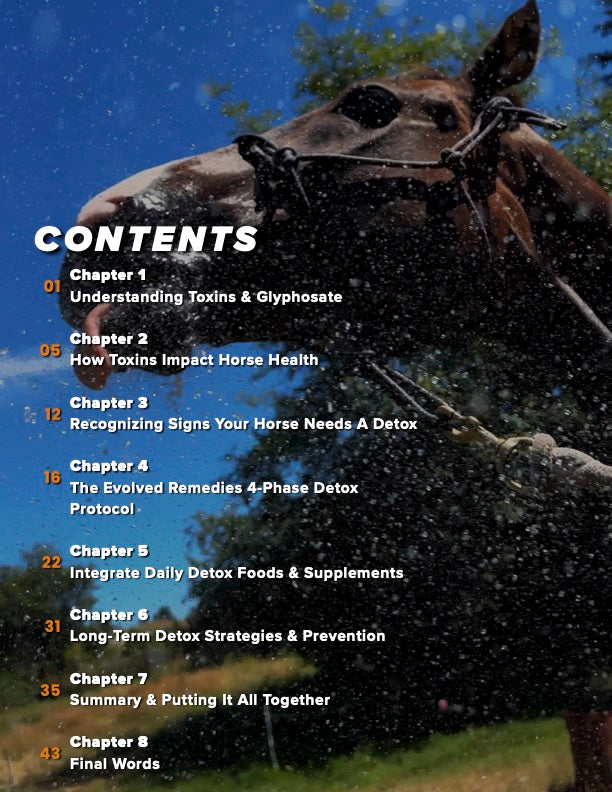
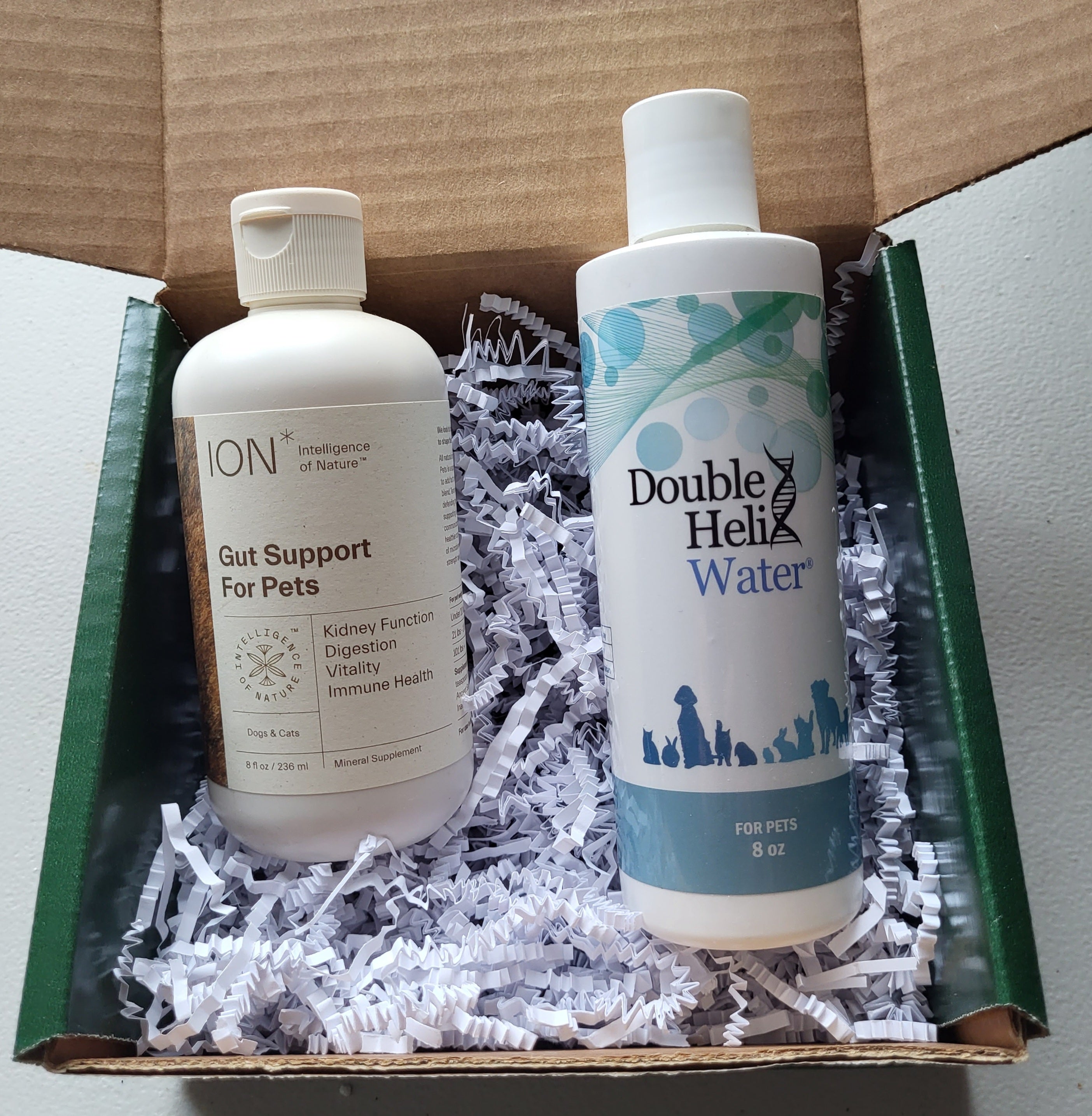
Because the first two mechanisms both target the gut, rebuilding gut health is the logical foundation of recovery — and it directly addresses the leaky-gut and microbiome damage. This means supporting the integrity of those tight junctions and re-establishing a healthy bacterial population. Our Equine Detox Protocol is built around exactly this: restoring the gut barrier and the microbiome so the horse can absorb nutrients and regulate inflammation again. Get the gut right first, and everything downstream becomes easier.
3. Rebuild the foundation: the whole-food superfood protocol
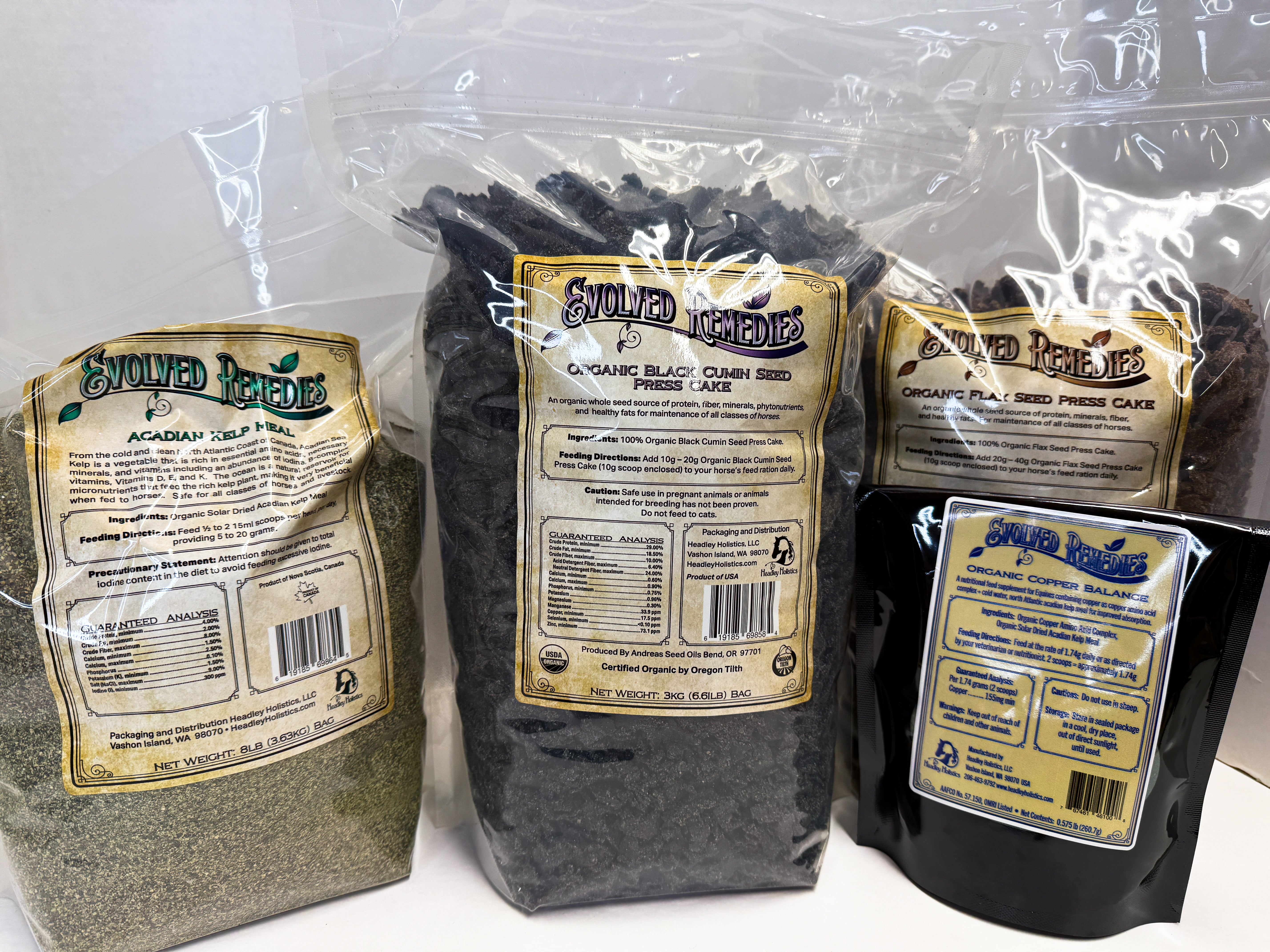
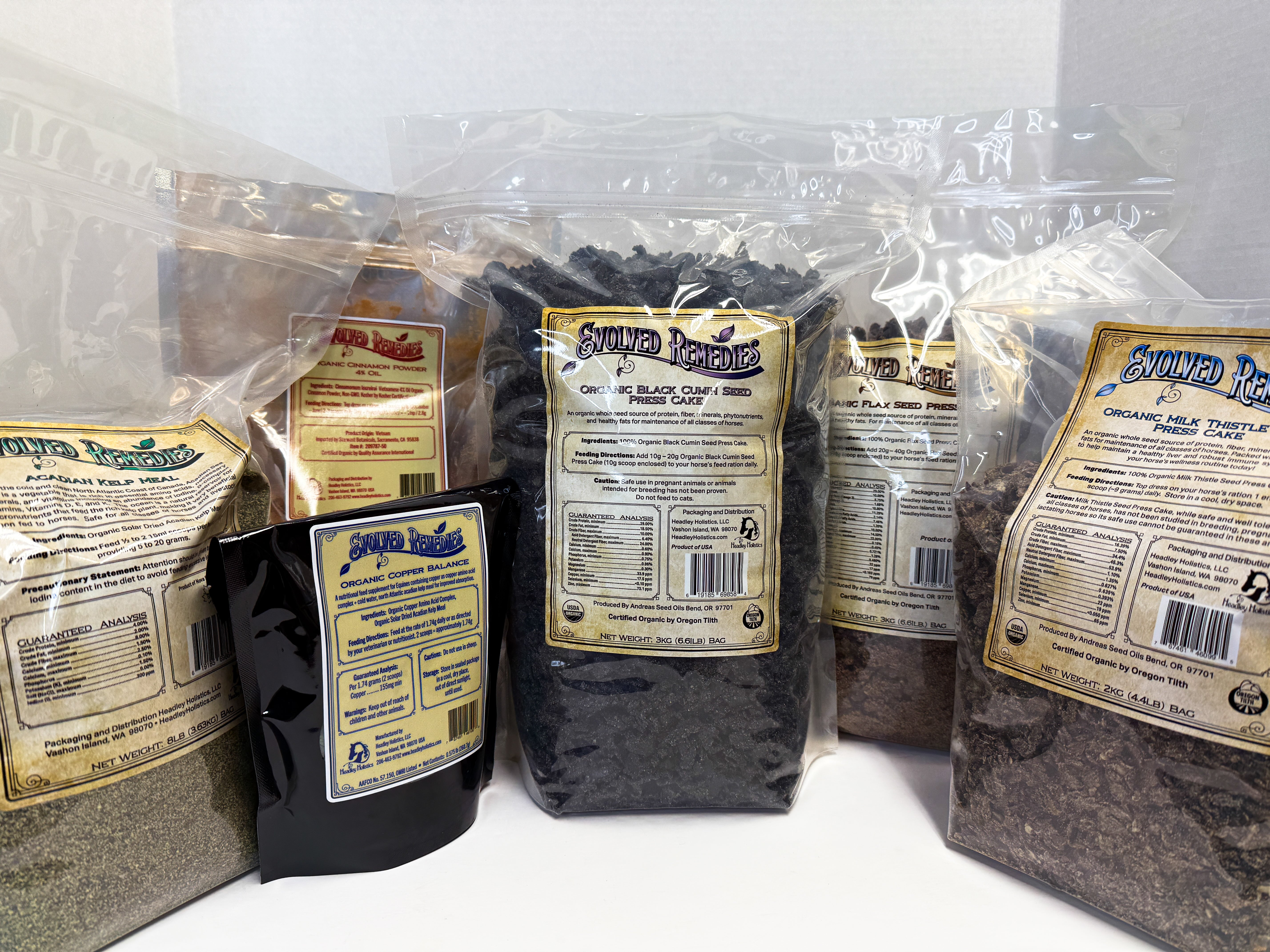
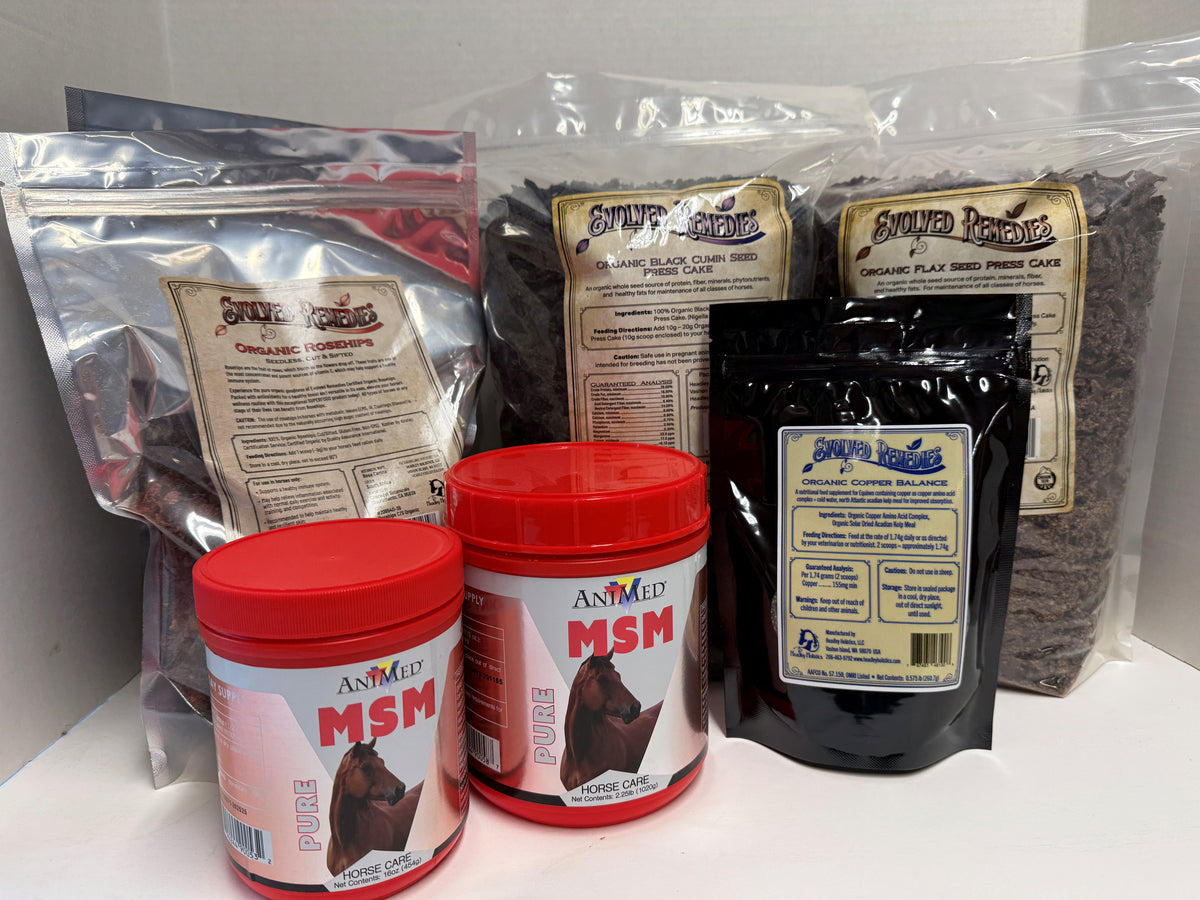
If glyphosate chelates and locks up minerals, then simply feeding more of a cheap, poorly absorbed mineral isn't the answer — the nutrients have to come in a form the horse can actually absorb and use. This is the heart of what we feed — our General Wellness & Longevity protocol — and it's built on four whole-food superfoods:
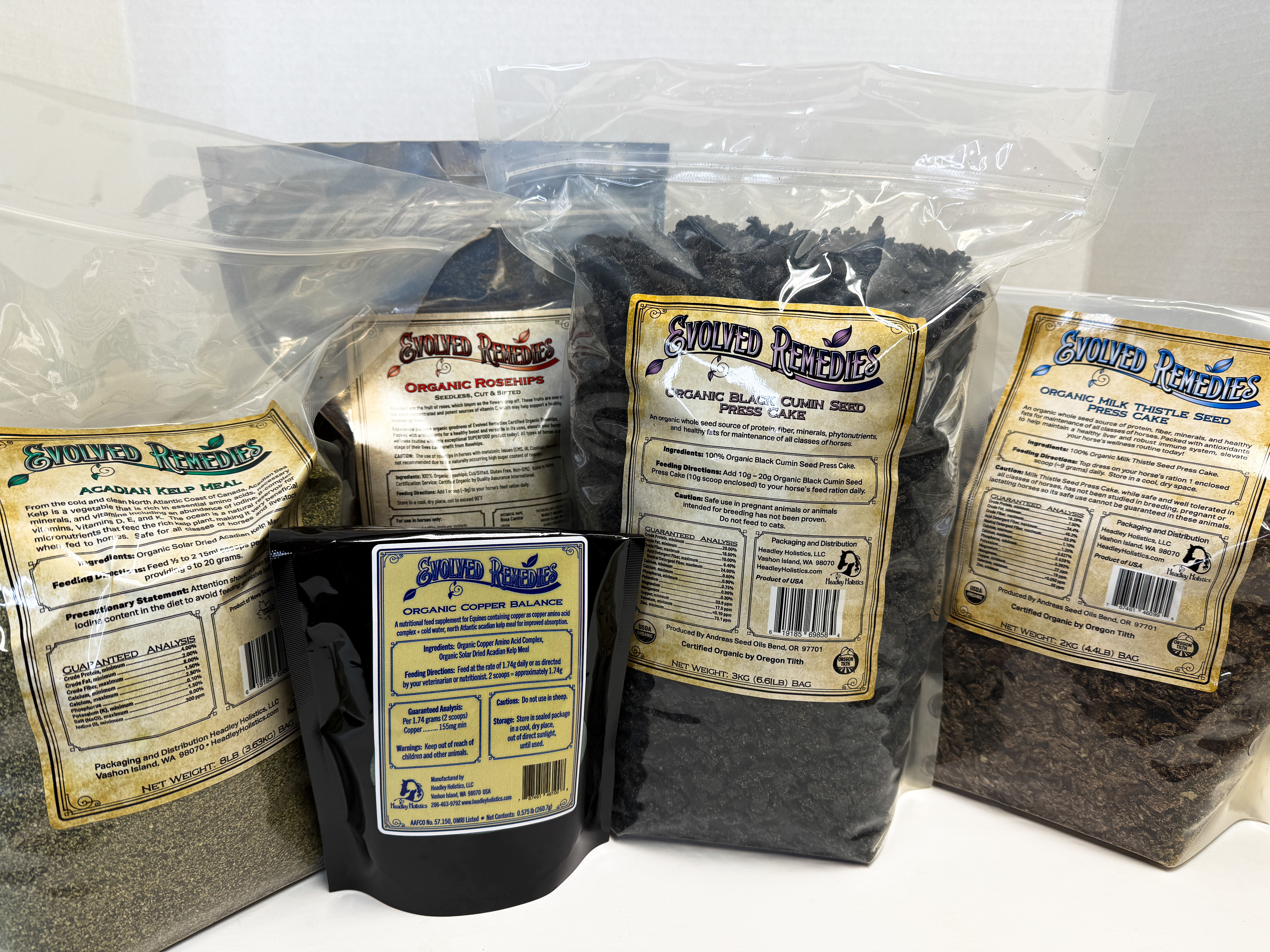
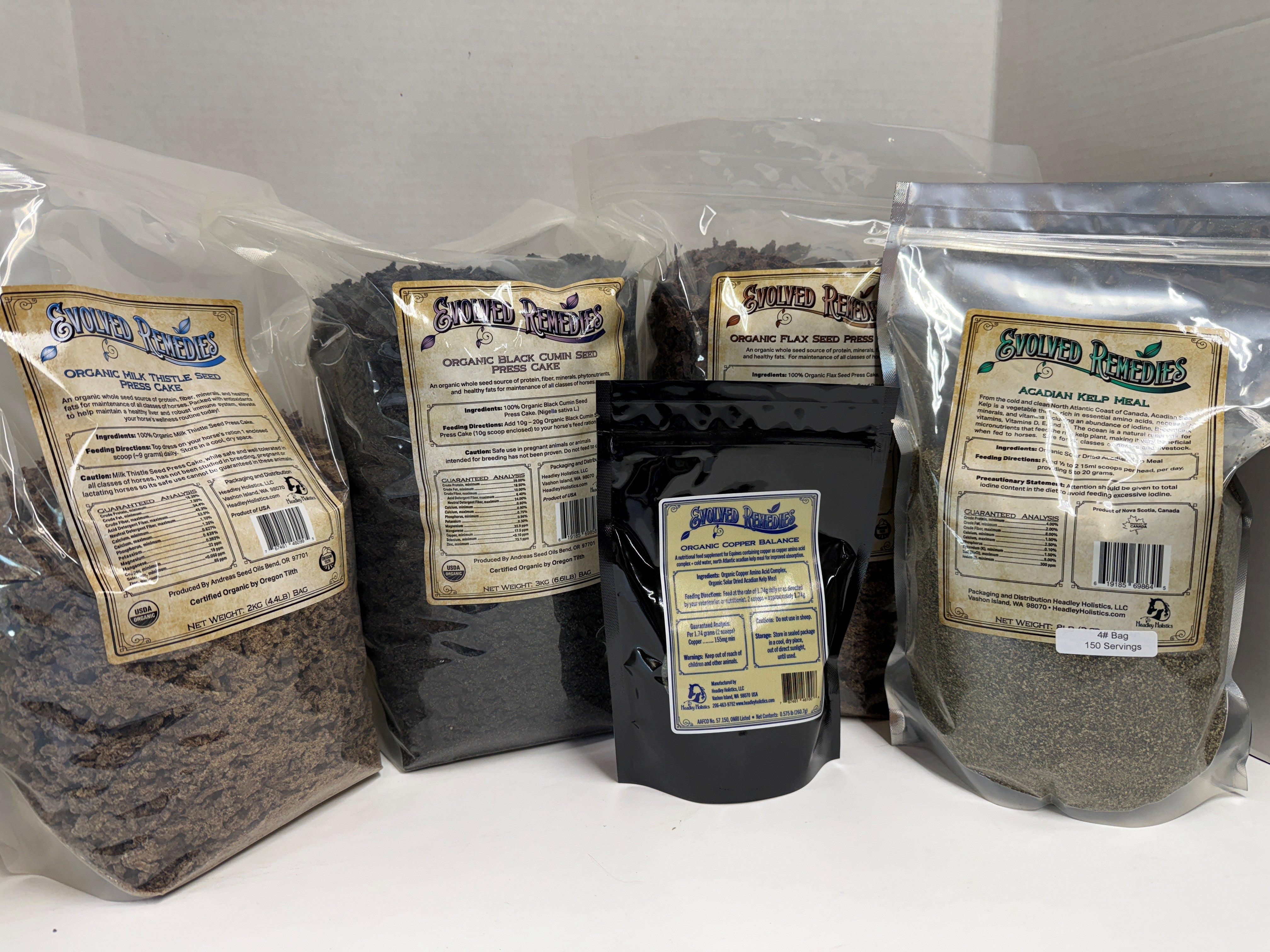
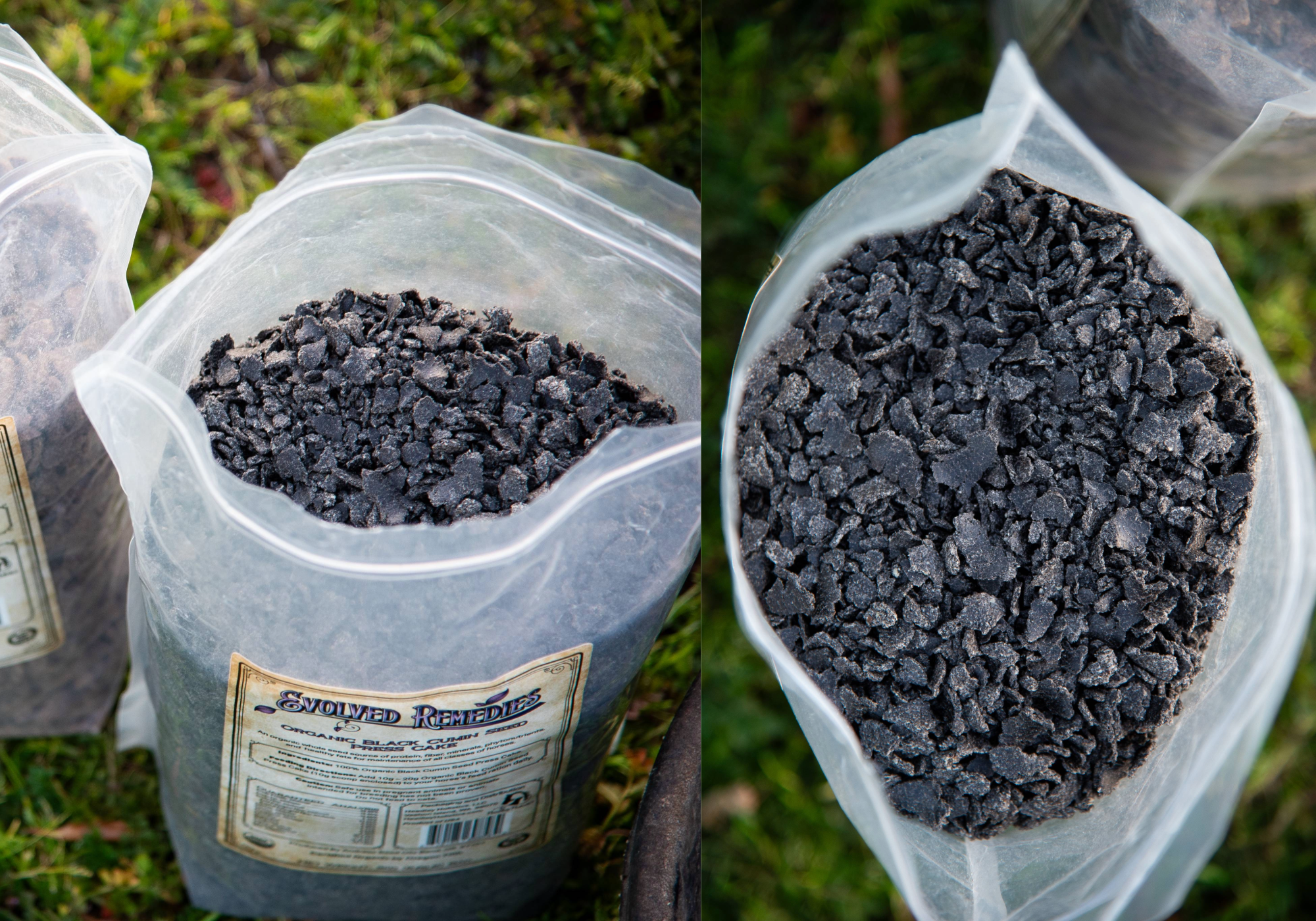
- Organic Black Cumin Seed Press Cake
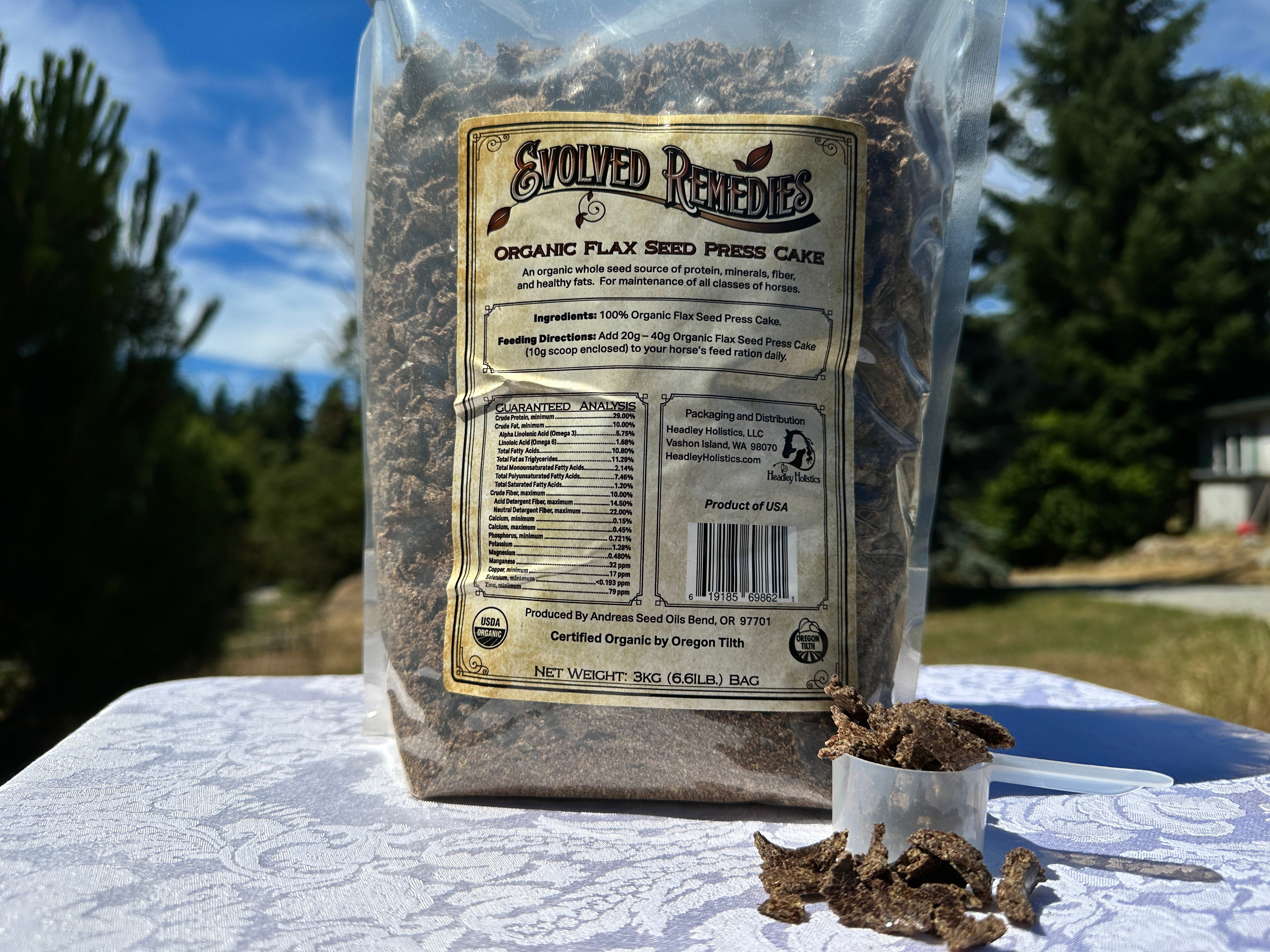
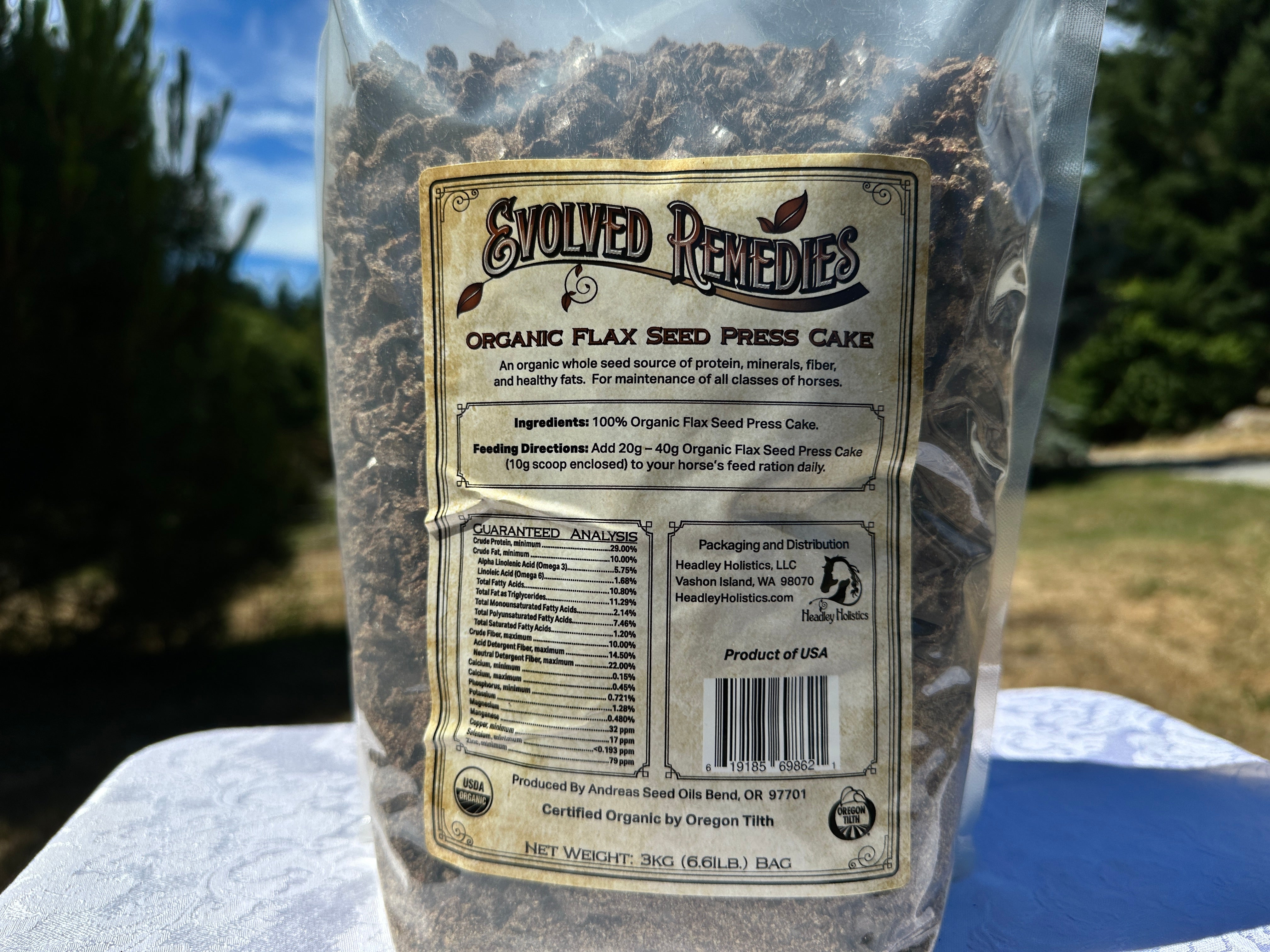
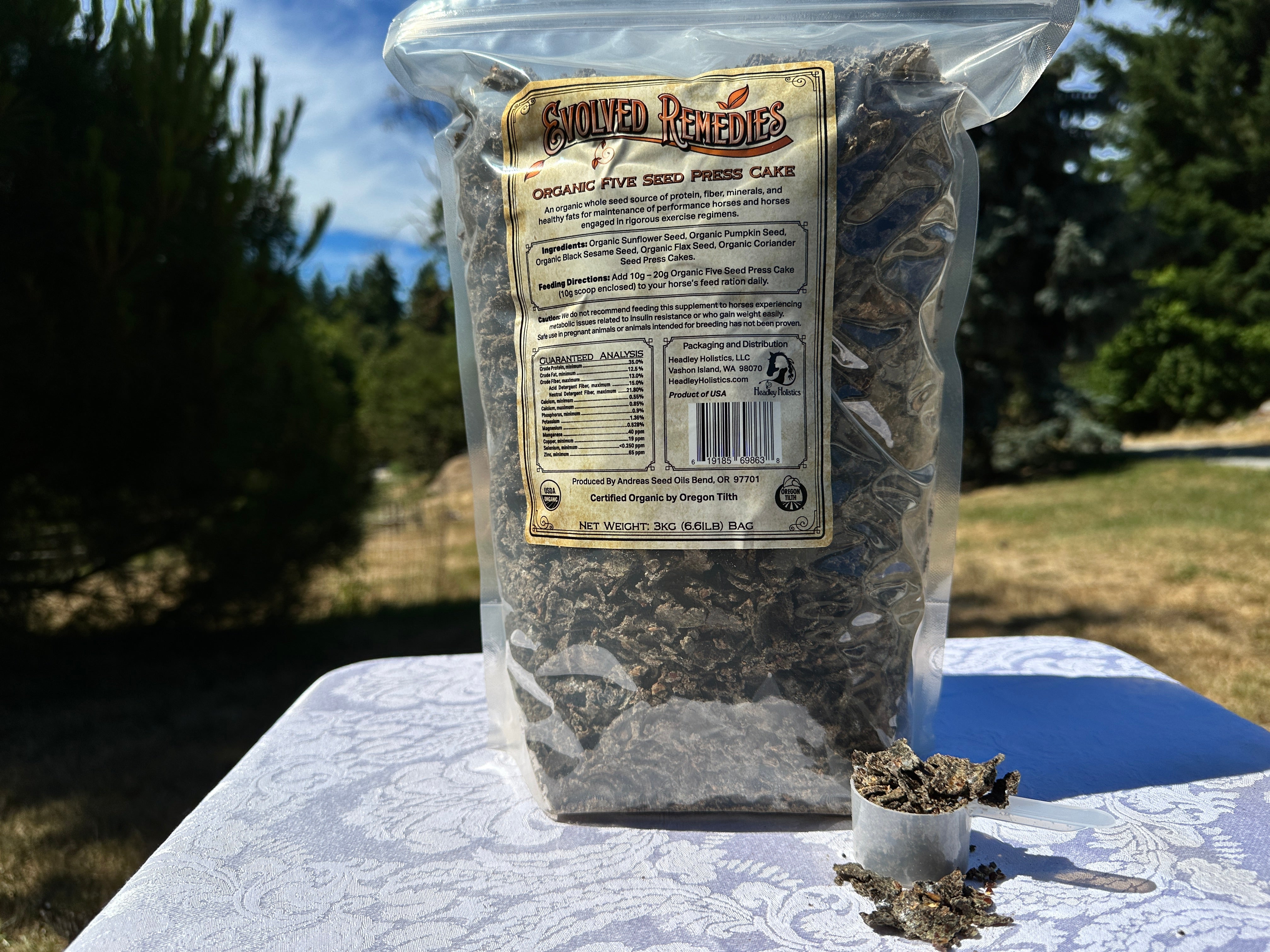
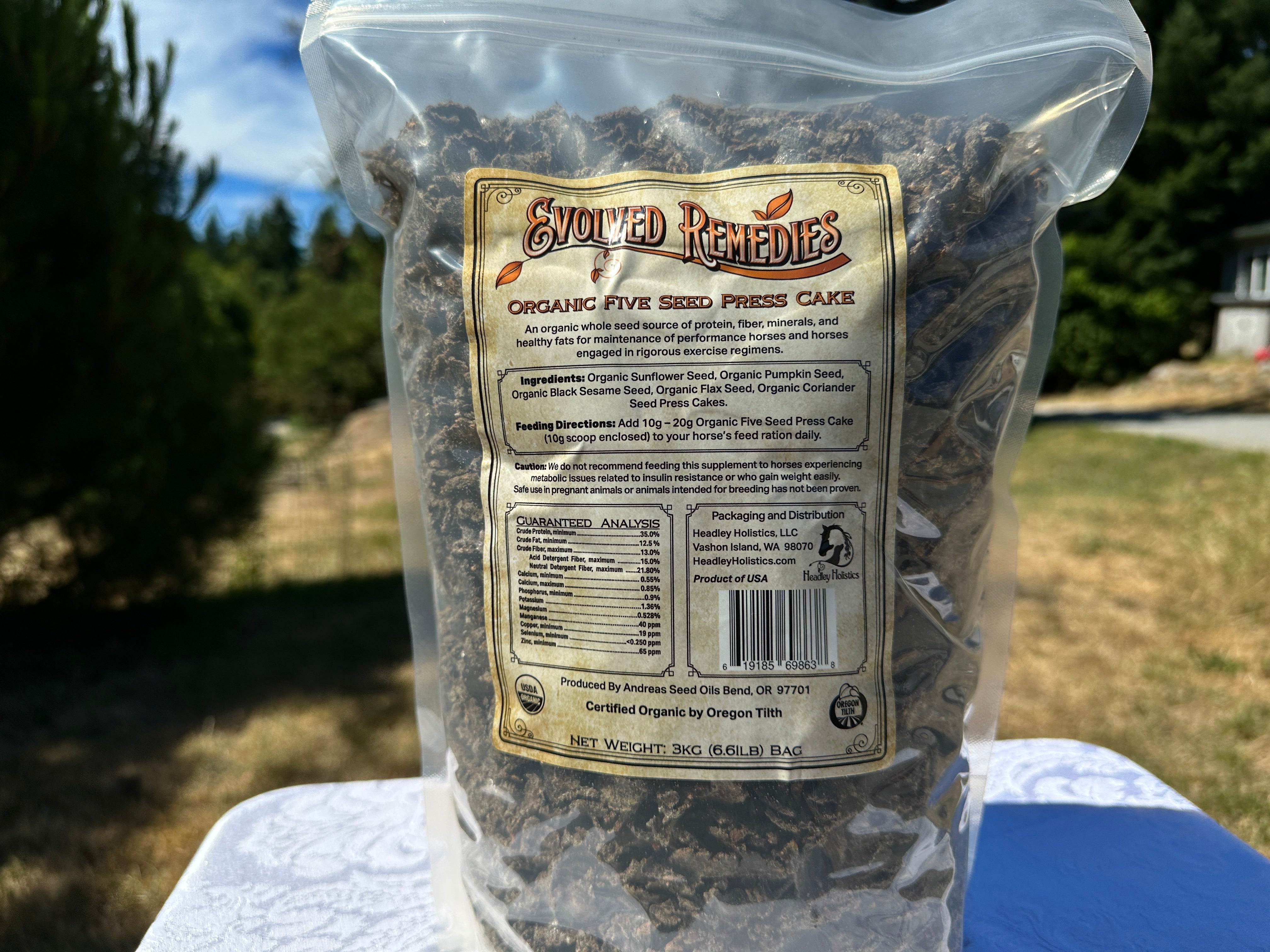
- Organic Flax Seed Press Cake
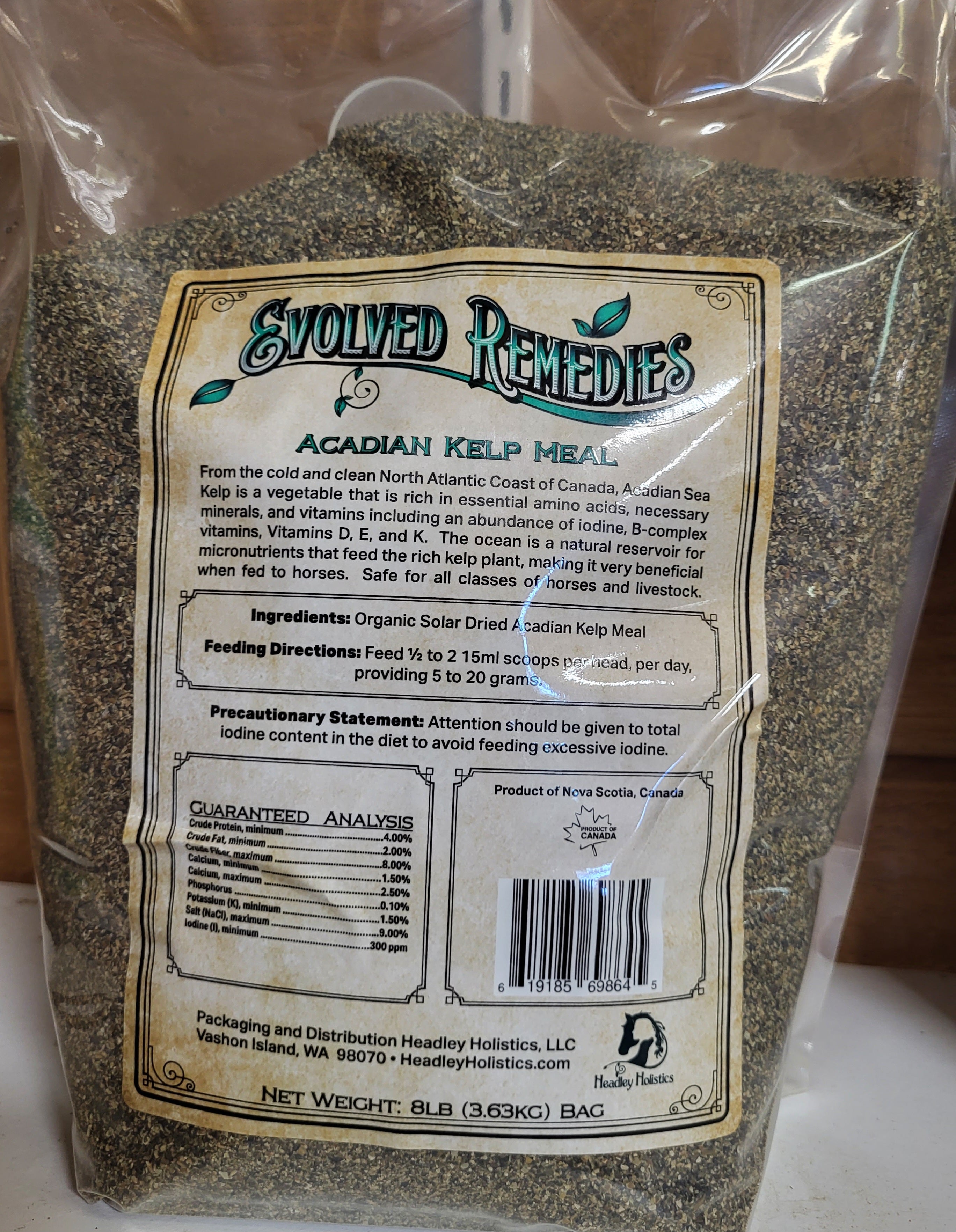
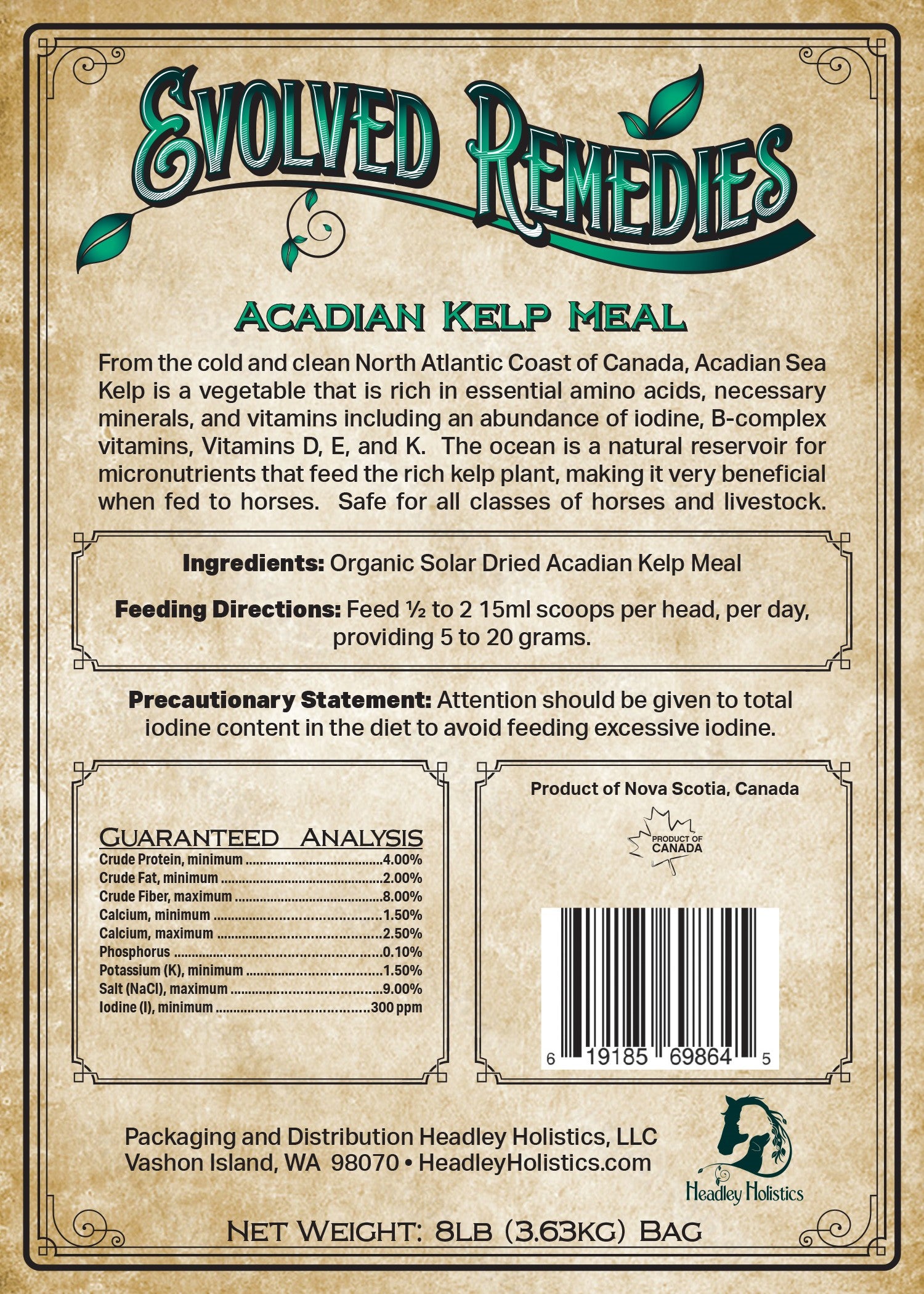
- Cold Water North Atlantic Acadian Kelp Meal
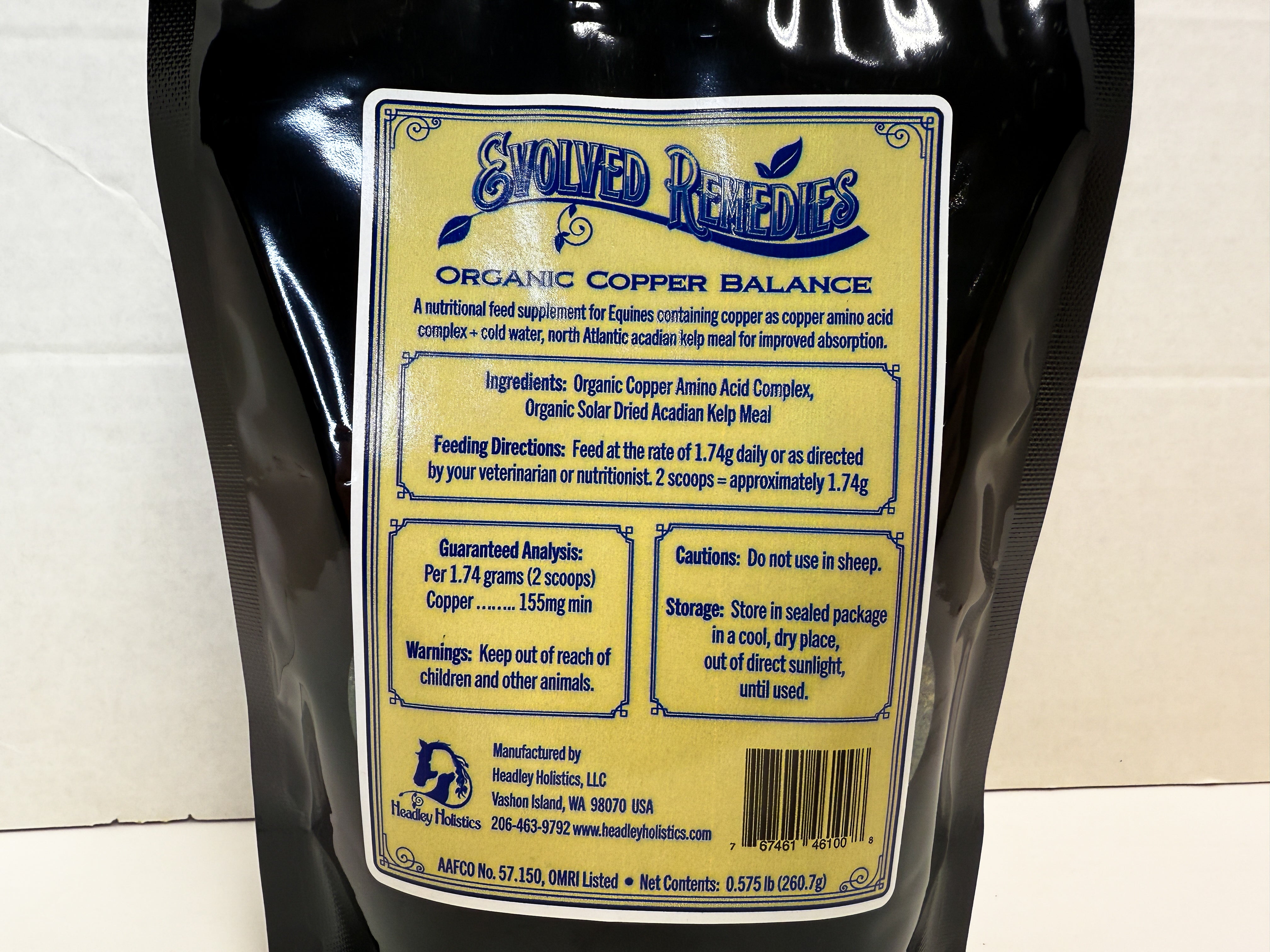
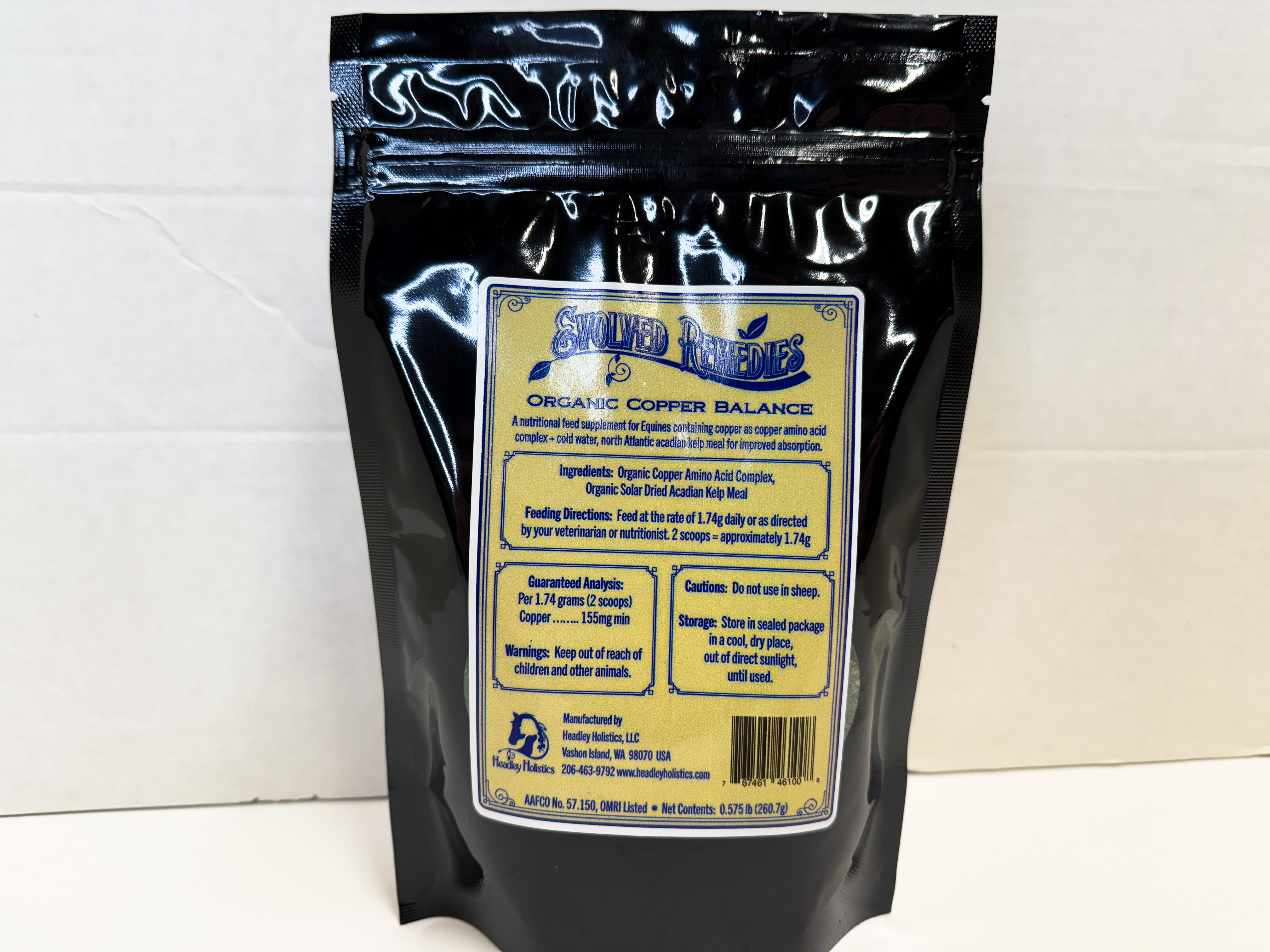
- Organic Copper Balance
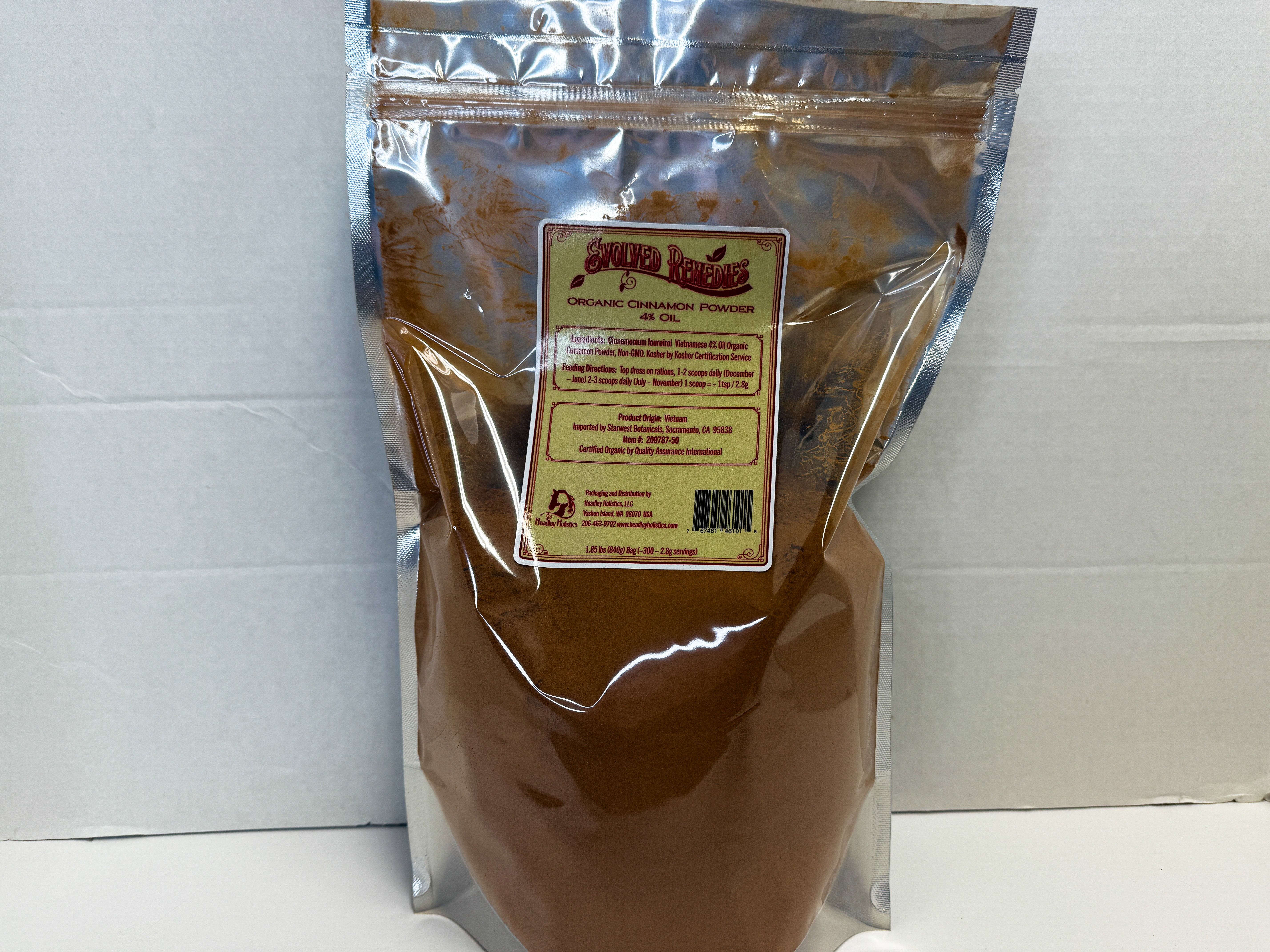
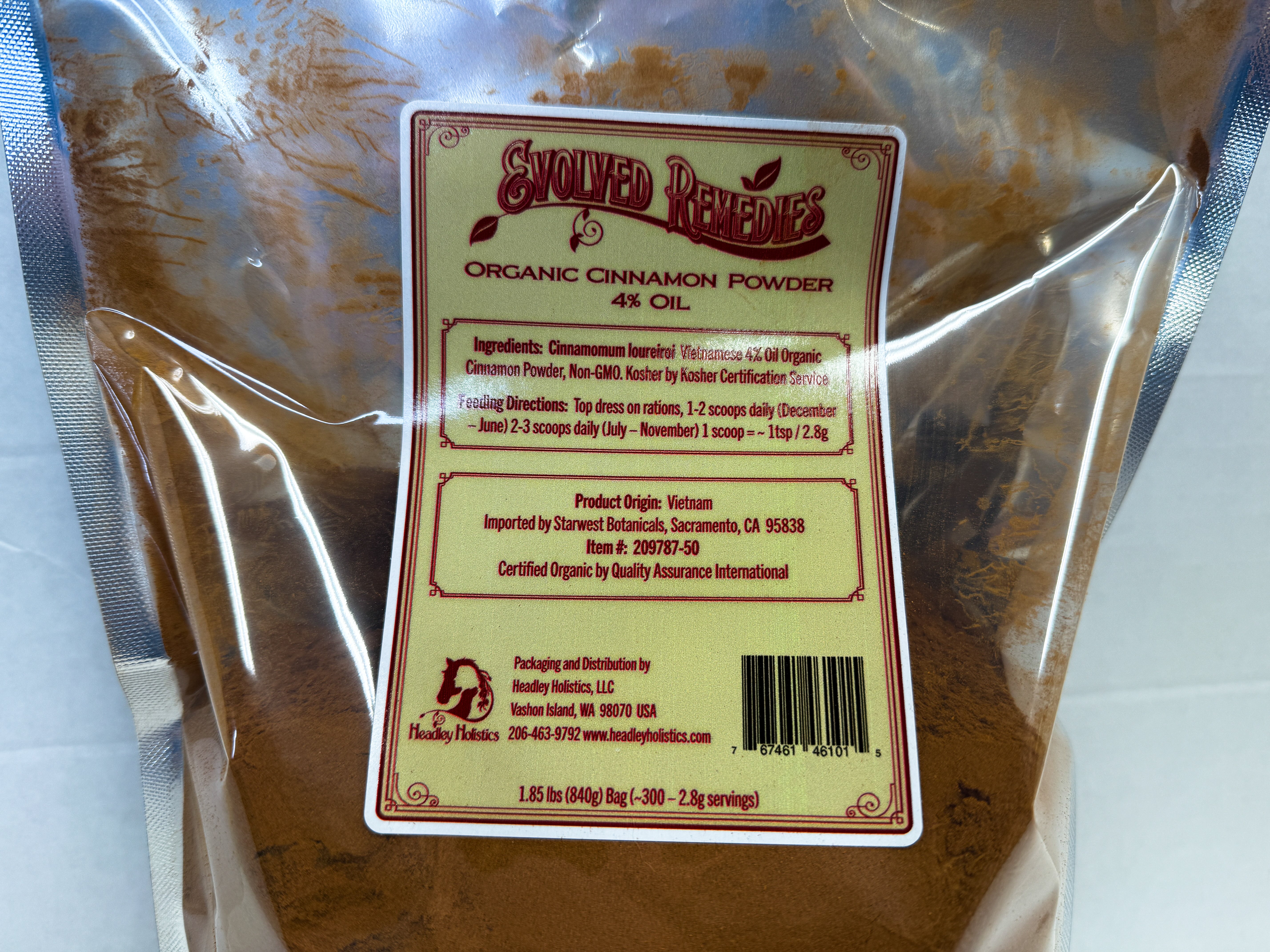
Together, these provide the full spectrum of essential micronutrients a horse needs — vitamins, minerals, amino acids, and trace elements like the iodine supplied by the Acadian kelp meal — all in their natural, bioavailable, whole-food form. Rather than chasing individual synthetic isolates that may pass straight through a compromised gut, this is a comprehensive protocol that delivers nutrition the horse can actually use. It's corrective: you're replacing what glyphosate has stripped out, in a form the body recognizes. You can find this exact protocol as our Equine General Wellness & Longevity Bundle.
4. The added benefits: phytonutrients and bioactive compounds
Beyond covering the horse's complete micronutrient needs, these same superfoods do something synthetic supplements can't: they deliver phytonutrients and bioactive compounds that offer real, measurable health benefits. So this isn't only a general wellness and longevity protocol — it's also working on several fronts at once:
- Lowering inflammation at its source
- Gut support that complements the restoration work
- Helping to regulate and normalize the metabolism
- Omega-3s and antioxidants for whole-body resilience
- Stronger hair, skin, and hooves — improved coat, quality, and hoof strength
- A stronger immune system
This is the difference between feeding to fill a gap and feeding to build a genuinely healthier animal.
None of this is exotic or extreme. Reduce the input, heal the gut, and rebuild with real food. It's the same logic we use on our own farm, and it works consistently because it addresses the actual mechanisms rather than chasing symptoms. (We'll cover the full clean-feed protocol step by step in an upcoming article.)
Ready to put this to work?
Start small with the 2-week sample, or go straight to the full-size press cake — first order ships free either way.
Shop the press cake →Frequently asked questions
Is glyphosate really in horse feed?
Chances are, yes — if you're feeding conventional feed grains or complete feeds. And it isn't only the obvious culprits. Many conventional supplements are contaminated too, frequently through their inactive or filler ingredients. Commonly contaminated ingredients include:
- Corn
- Oats
- Wheat
- Soy
- Barley
- Beet pulp — a big one. Sugar beets recently became a genetically modified (Roundup Ready) crop in the U.S., and roughly 95% of American sugar-beet acreage is now GMO and heavily sprayed with glyphosate,[11] which carries through into the beet pulp used in feed.
- Legumes, which tend to run high in glyphosate as well.
The list goes on. The point isn't to alarm you — it's to make sure you know what to look for, because most of this never appears on the front of the label. We believe in educating, not gatekeeping.
If the shikimate pathway isn't in mammals, why does glyphosate matter to my horse?
Because your horse's gut bacteria do have the shikimate pathway, and the horse depends on those bacteria for nutrients, immune regulation, and amino acid production. Glyphosate can disrupt the bacteria even though it doesn't act on the horse's own cells through that pathway. "Safe for mammals directly" is not the same as "harmless to the animal as a whole."
Is the glycine-substitution theory proven?
No. It is a hypothesis proposed by MIT-affiliated researchers and remains unconfirmed and contested. At least one laboratory study found glyphosate did not substitute for glycine in mammalian cells. We present it as an open question. The other four mechanisms are far better established.
How can I reduce my horse's exposure?
Shift to a forage-first diet built on clean hay and pasture, and minimize conventional grains, complete feeds, and processed products. From there, support gut restoration and rebuild with bioavailable, whole-food nutrition. Our own supplements are made from organic ingredients sourced from countries where glyphosate use is significantly lower — one more way to keep the toxic load down. Reducing what comes in and rebuilding the gut are the two highest-impact steps.
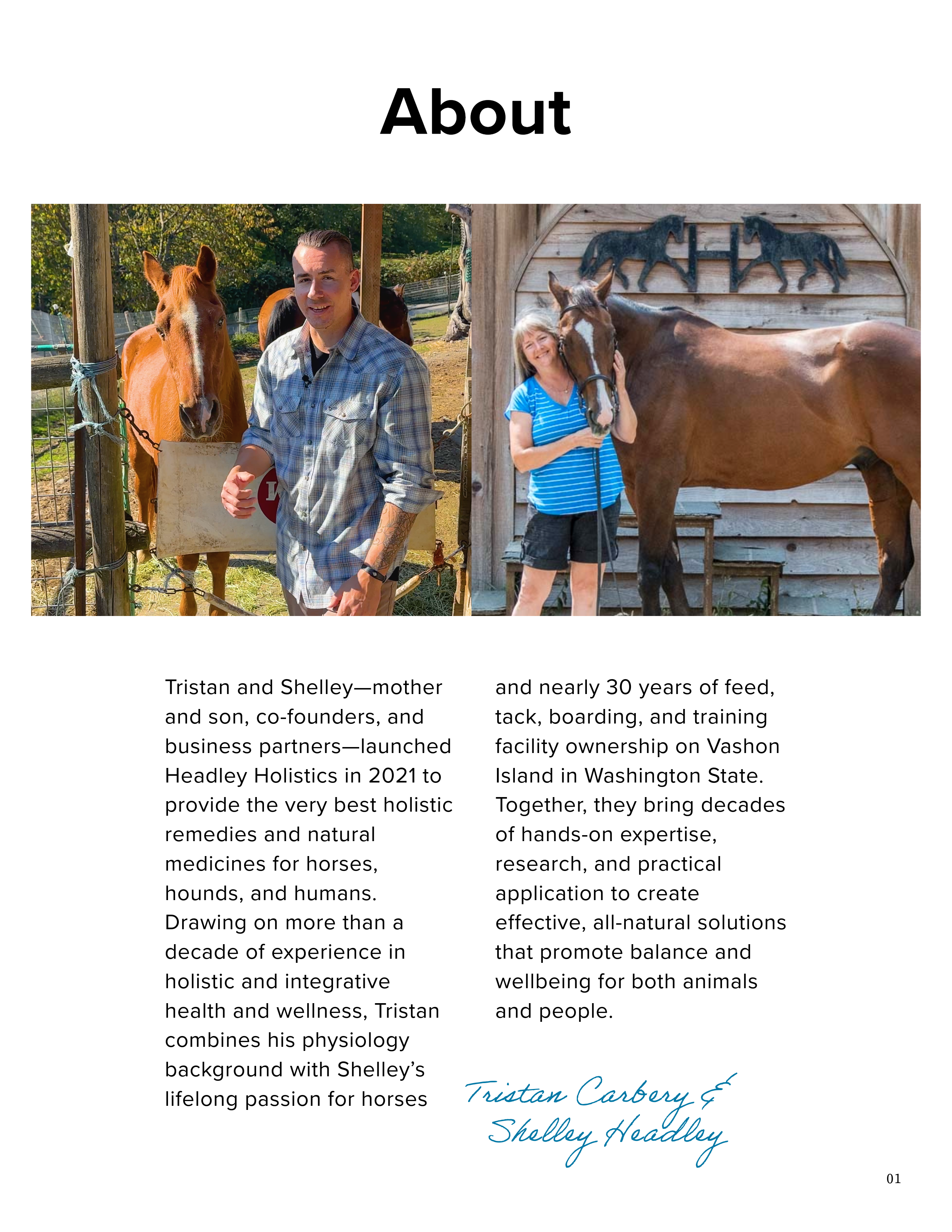
About the authors. This article was written by the team at Headley Holistics, a holistic equine and canine wellness company. Co-owner Shelley participated in a 2016 MIT-led working group on glyphosate and equine health alongside Dr. Stephanie Seneff and Anthony Samsel, and the family has cared for horses on their own farm for more than 30 years. Co-owner Tristan holds a bachelor's degree in exercise physiology, has worked in the health and wellness field in various capacities for 15 years, and leads the company's research and education work.
Published: June 2026. This article is for educational purposes and is not veterinary advice. Always consult your veterinarian about your individual horse.
References
- Cuhra, M., Bøhn, T., & Cuhra, P. (2016). Glyphosate: Too Much of a Good Thing? Frontiers in Environmental Science; and U.S. agricultural pre-harvest desiccation practices on wheat, oats, and barley.
- Abraham, W. (2010). Glyphosate formulations and their use for the inhibition of 5-enolpyruvylshikimate-3-phosphate synthase. U.S. Patent No. 7,771,736 (glyphosate as an antimicrobial agent).
- Shehata, A. A., Schrödl, W., Aldin, A. A., Hafez, H. M., & Krüger, M. (2013). The effect of glyphosate on potential pathogens and beneficial members of poultry microbiota in vitro. Current Microbiology, 66(4), 350–358.
- Fasano, A. (2011). Zonulin and its regulation of intestinal barrier function: the biological door to inflammation, autoimmunity and cancer. Physiological Reviews, 91(1), 151–175.
- Samsel, A., & Seneff, S. (2013). Glyphosate's suppression of cytochrome P450 enzymes and amino acid biosynthesis by the gut microbiome: pathways to modern diseases. Entropy, 15(4), 1416–1463.
- Samsel, A., & Seneff, S. (2013). Glyphosate, pathways to modern diseases II: Celiac sprue and gluten intolerance. Interdisciplinary Toxicology, 6(4), 159–184; and in-vitro studies of glyphosate effects on intestinal epithelial barrier integrity (Caco-2 / IEC-6 transepithelial electrical resistance).
- Mertens, M., Höss, S., Neumann, G., Afzal, J., & Reichenbecher, W. (2018). Glyphosate, a chelating agent—relevant for ecological risk assessment? Environmental Science and Pollution Research, 25(6), 5298–5317.
- Steinrücken, H. C., & Amrhein, N. (1980). The herbicide glyphosate is a potent inhibitor of 5-enolpyruvyl-shikimic acid-3-phosphate synthase. Biochemical and Biophysical Research Communications, 94(4), 1207–1212.
- Samsel, A., & Seneff, S. (2016). Glyphosate pathways to modern diseases V: Amino acid analogue of glycine in diverse proteins. Journal of Biological Physics and Chemistry, 16, 9–46.
- Antoniou, M. N., et al. (2019). Glyphosate does not substitute for glycine in proteins of actively dividing mammalian cells. BMC Research Notes, 12, 494.
- U.S. Department of Agriculture, Economic Research Service, Adoption of Genetically Engineered Crops in the United States; and USDA Animal and Plant Health Inspection Service (APHIS), Glyphosate-Tolerant H7-1 Sugar Beet — genetically engineered (glyphosate-tolerant) sugar beet varieties account for more than 95% of U.S. sugar-beet acreage.



Leave a comment
This site is protected by hCaptcha and the hCaptcha Privacy Policy and Terms of Service apply.