

What Causes Laminitis in Horses? The Hidden Trigger Most Owners Overlook
Quick summary: Most laminitis in horses is not really a hoof problem — it is a metabolic one, driven by high insulin from sugar and starch. But the gut sits upstream of insulin and mineral balance, and a growing body of research points to glyphosate, the world’s most-used herbicide, as an under-recognized disruptor of both. For a horse that keeps foundering, cleaning up glyphosate-contaminated feed and rebuilding gut and mineral health may be an overlooked lever.
In this article
- What is laminitis, and what actually happens inside the hoof?
- What is the most common cause of laminitis in horses?
- Why do some horses keep foundering even when you control the sugar?
- Could glyphosate be an overlooked trigger?
- What does glyphosate have to do with hoof quality specifically?
- How do you reduce your horse’s glyphosate exposure?
- How do you rebuild the gut and remineralize for stronger hooves?
- Frequently asked questions
- Related reading
- References
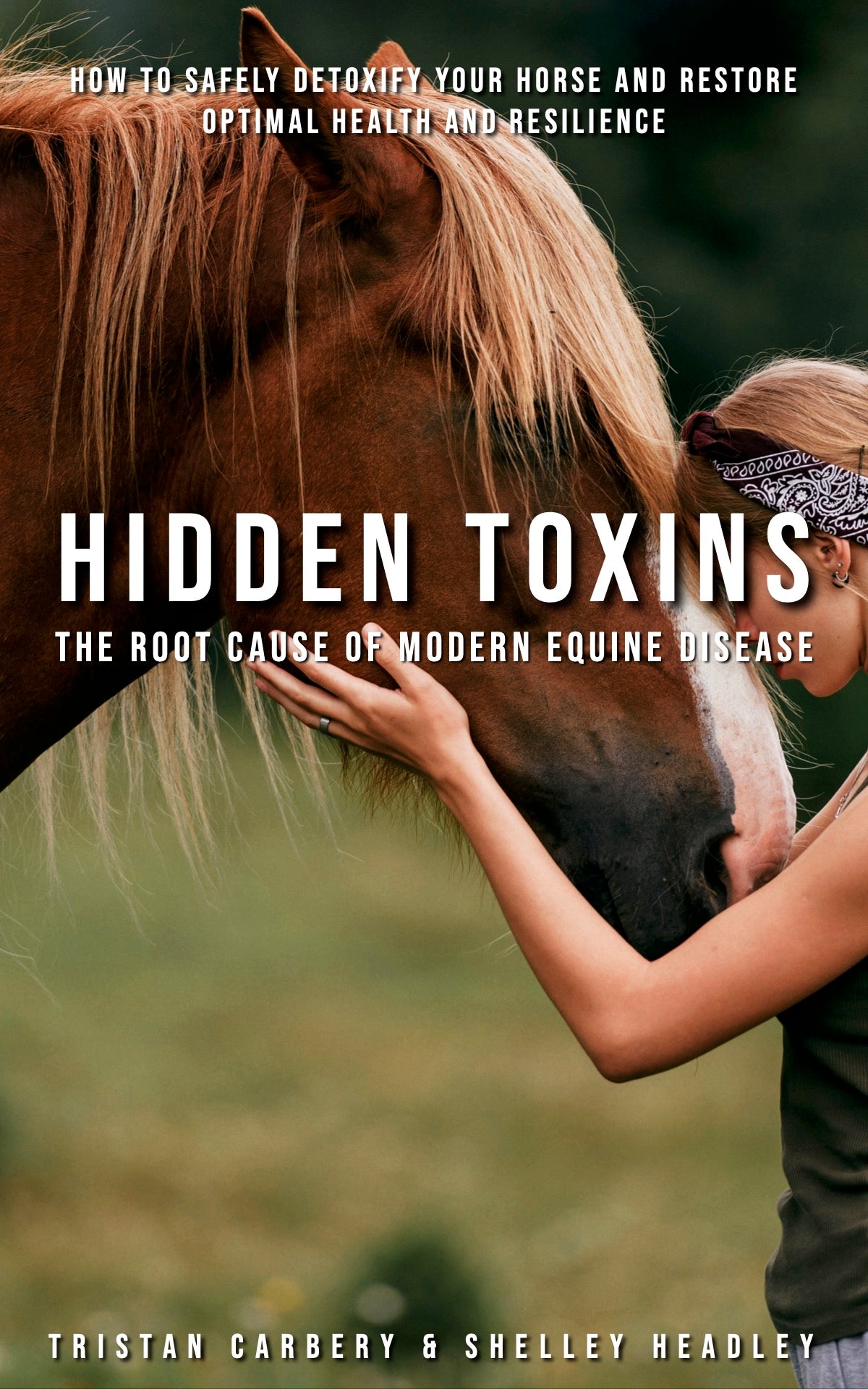
New to our glyphosate research? Start with the series: the 30-year horse-farm story, the timeline of equine health and glyphosate, and the five mechanisms explained.
Rebuilding a horse from the inside starts with clean, whole-food nutrition — and black cumin seed is one of our favorites. Here's the full guide to feeding black cumin seed to horsesWhat is laminitis, and what actually happens inside the hoof?

Laminitis is the breakdown of the laminae — the interlocking, Velcro-like tissue that bonds the coffin bone to the inside of the hoof wall.
When those laminae weaken or fail, the bond gives way. In severe cases the coffin bone rotates or sinks inside the hoof. It is one of the most painful conditions a horse can face.
Here is the part most owners miss. Laminitis usually starts as a whole-body problem. The hoof is where the damage shows up, not where it begins.
What is the most common cause of laminitis in horses?
The large majority of cases — roughly 90% of clinical laminitis — are endocrine, not injury-related [1]. The Merck Veterinary Manual agrees that endocrine dysfunction is likely the most common underlying cause today [2].
The predisposing factor is high insulin. In controlled studies, sustained high insulin alone triggered laminitis in previously healthy ponies and horses [3][4].
This form is tied to insulin dysregulation, the core feature of Equine Metabolic Syndrome (EMS) and a common feature of PPID (Cushing’s). Non-structural carbohydrates — the sugars and starches in grass, grain, and treats — drive the insulin spikes that do the damage.
Is laminitis caused by too much grass? In a sugar-sensitive horse, yes — rich pasture is high in non-structural carbohydrates, and those raise insulin. But grass is the trigger, not the whole story.
Why do some horses keep foundering even when you control the sugar?
This is the frustrating one. You dry-lot the horse. You soak the hay. You pull the grain. And the feet still relapse.
Part of the answer: insulin dysregulation is not just an “easy keeper” problem. It shows up in lean horses too. As the Merck Veterinary Manual notes, the absence of obesity is not enough to rule it out [2].
So the real question becomes: what is driving the insulin dysregulation in the first place? Increasingly, the research points to the gut. The veterinary consensus on Equine Metabolic Syndrome names the gut microbiome as a suspected driving force in metabolic disease, and horses with EMS show measurably lower gut microbial diversity than healthy horses [5]. The gut also shapes the insulin response directly — through hormone signals released when a horse digests a high-sugar meal [5].
In other words, what happens in the gut does not stay in the gut. It feeds straight into the insulin machinery behind laminitis. And that is exactly where a familiar farm chemical enters the picture. We cover the bigger backdrop in our timeline of equine health and glyphosate.
Could glyphosate be an overlooked trigger?

Glyphosate is the active ingredient in Roundup and the most widely used herbicide in the world. Its residues turn up in the exact crops that fill most feed rooms: grain, soy, corn, and conventionally grown forage.
Now, no one has run the study that doses horses with glyphosate and counts laminitis cases — and honestly, that study may never be funded or made public. But we do not need it to connect the dots. Each link in the chain is documented in peer-reviewed research, and together they line up cleanly with what we see in horses today. Here is what the science actually shows.
How glyphosate damages the gut lining
The gut lining is a single layer of cells sealed together by tight junctions — the gatekeepers that decide what gets absorbed and what stays out. Glyphosate degrades those seals. A 2024 systematic review of the research concluded that glyphosate and its formulations increase intestinal permeability, strip the protective mucus layer, and damage the gut lining and its microvilli [6]. It does much of this by disrupting the gut microbiome: glyphosate blocks the shikimate pathway that many beneficial gut bacteria depend on, while more resistant, opportunistic species survive [6].
The result is a leaky, inflamed gut — and that reaches far beyond digestion. A compromised gut barrier feeds constant, low-grade, body-wide inflammation, and, as we just saw, gut integrity and microbial balance are among the drivers of the insulin dysregulation behind laminitis.

How glyphosate binds the minerals a hoof needs
Glyphosate was first patented in 1964 as a mineral chelator — a molecule that grabs and binds metals, including copper, zinc, and manganese [7]. It was later patented as an antibiotic, too [8], which is part of why it hits gut bacteria the way it does.
Copper, zinc, and manganese are the same trace minerals a horse needs to build strong hoof horn (more on that in the next section). A compound that ties them up is working directly against hoof quality.
How this loops back to laminitis
Laminitis actually runs through two different pathways, and glyphosate’s effects feed into both.
The endocrine (insulin) pathway is the common, slow-building form. It is histologically distinct and does not run on the same inflammatory flood as the acute form [9]. Its upstream drivers — gut microbial balance and barrier integrity — are exactly what glyphosate disrupts.
The inflammatory (sepsis/SIRS) pathway is the acute, grain-overload or colitis form, triggered by hindgut dysbiosis and endotoxemia [2]. A gut chronically disrupted by an antibiotic residue is a plausible contributor here too.
So glyphosate is not a new, separate cause of laminitis. It is an upstream disruptor feeding the two pathways we already know drive the disease. For the full mechanism breakdown, see our five mechanisms explained.
Where the science stands: The insulin–laminitis link is settled science. Each glyphosate mechanism — gut-barrier damage, microbiome disruption, mineral chelation — is documented in peer-reviewed research. What has not been done is the single study tying it all together directly in horses, and it may never be. But this is the most coherent explanation we have for what we are seeing in our horses today. And unlike waiting on a study that may never come, reducing glyphosate is something you can act on now.
What does glyphosate have to do with hoof quality specifically?
The hoof wall is mostly keratin, a tough structural protein. Building good keratin depends on specific trace minerals.
Zinc is required for normal keratinization; horses with weak, poor-quality horn have been shown to carry less zinc in the hoof [10]. Copper supports the enzymes that cross-link structural proteins into strong, resilient tissue [11]. When either runs short, you see weak walls, hoof-wall separation, and white line disease [12].
Here is where it gets tricky: copper and zinc compete for the same absorption pathway, so their ratio matters as much as the amount. If one runs too high relative to the other, it crowds the other out, and the short mineral never gets absorbed — which is why the National Research Council recommends feeding them at roughly four parts zinc to one part copper [13]. Layer on excess iron — common in forage and well water — which competes with both, and you can end up with a functional deficiency even when the diet looks fine on paper [14].
Now stack the mechanisms. Glyphosate chelates copper, zinc, and manganese; iron blocks what is left; and the minerals compete with each other for the way in. A horse can end up short on exactly what builds a strong hoof — while eating a “balanced” diet. That is a real reason feet stay weak no matter what you try.
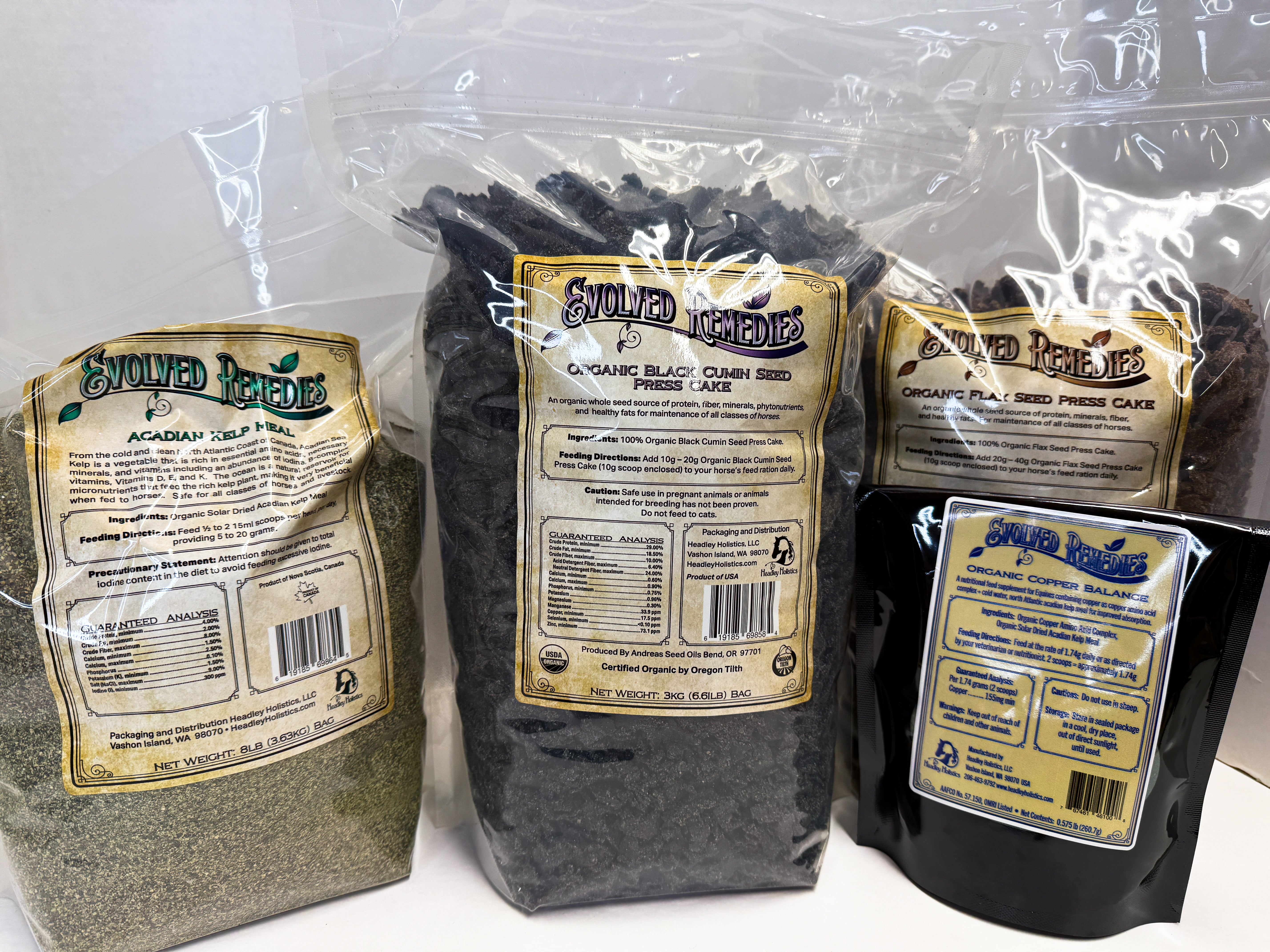
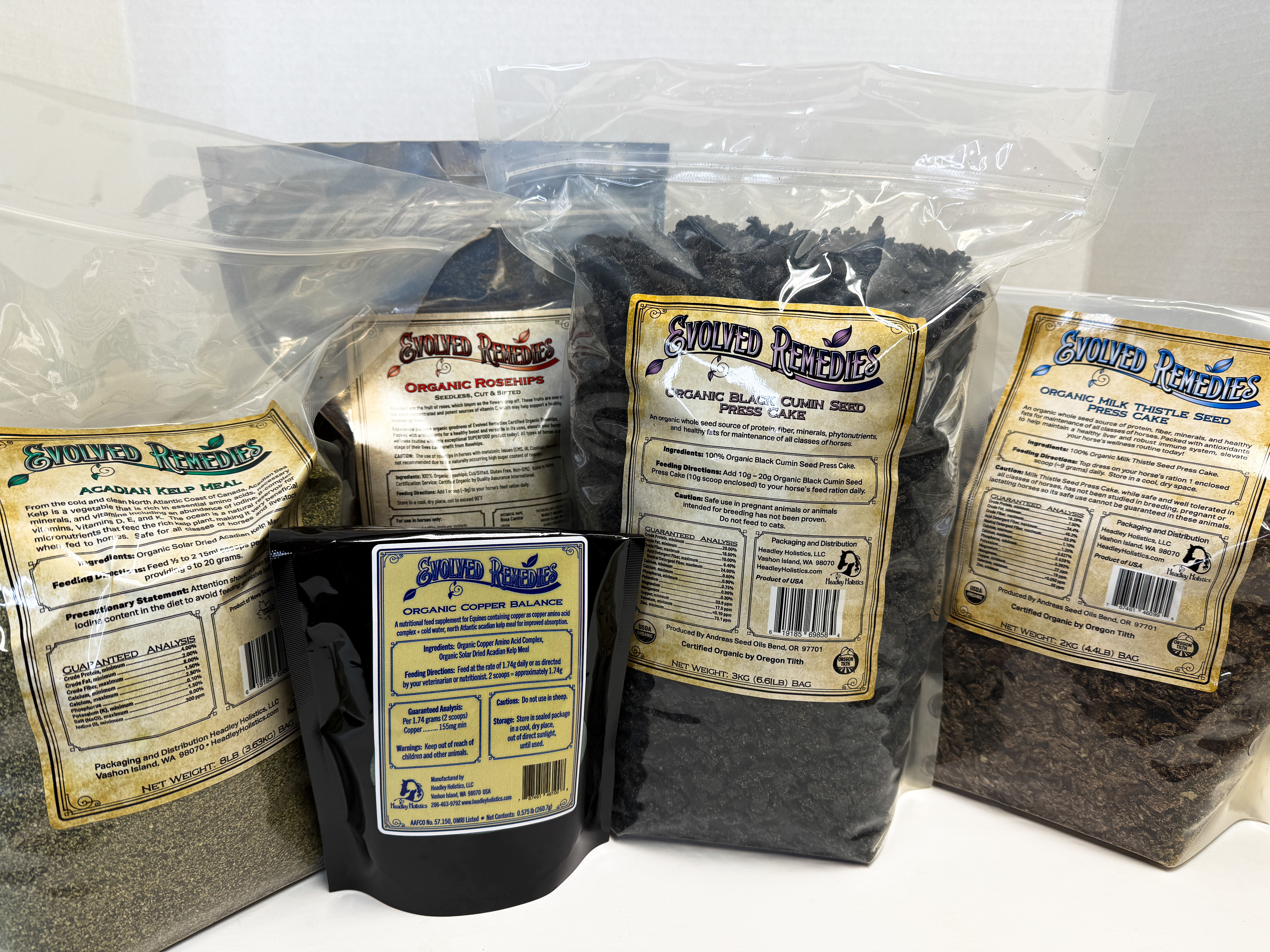
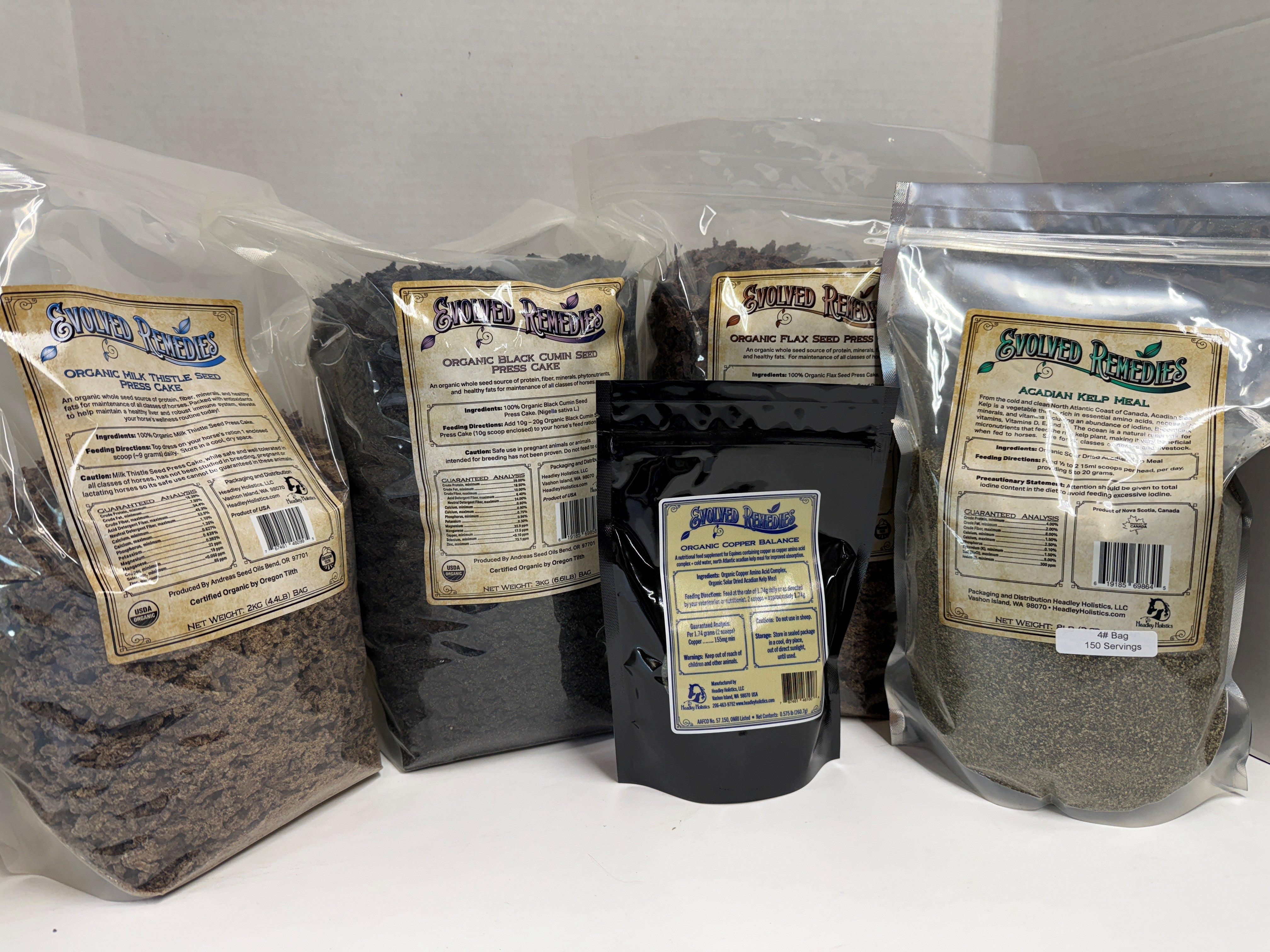
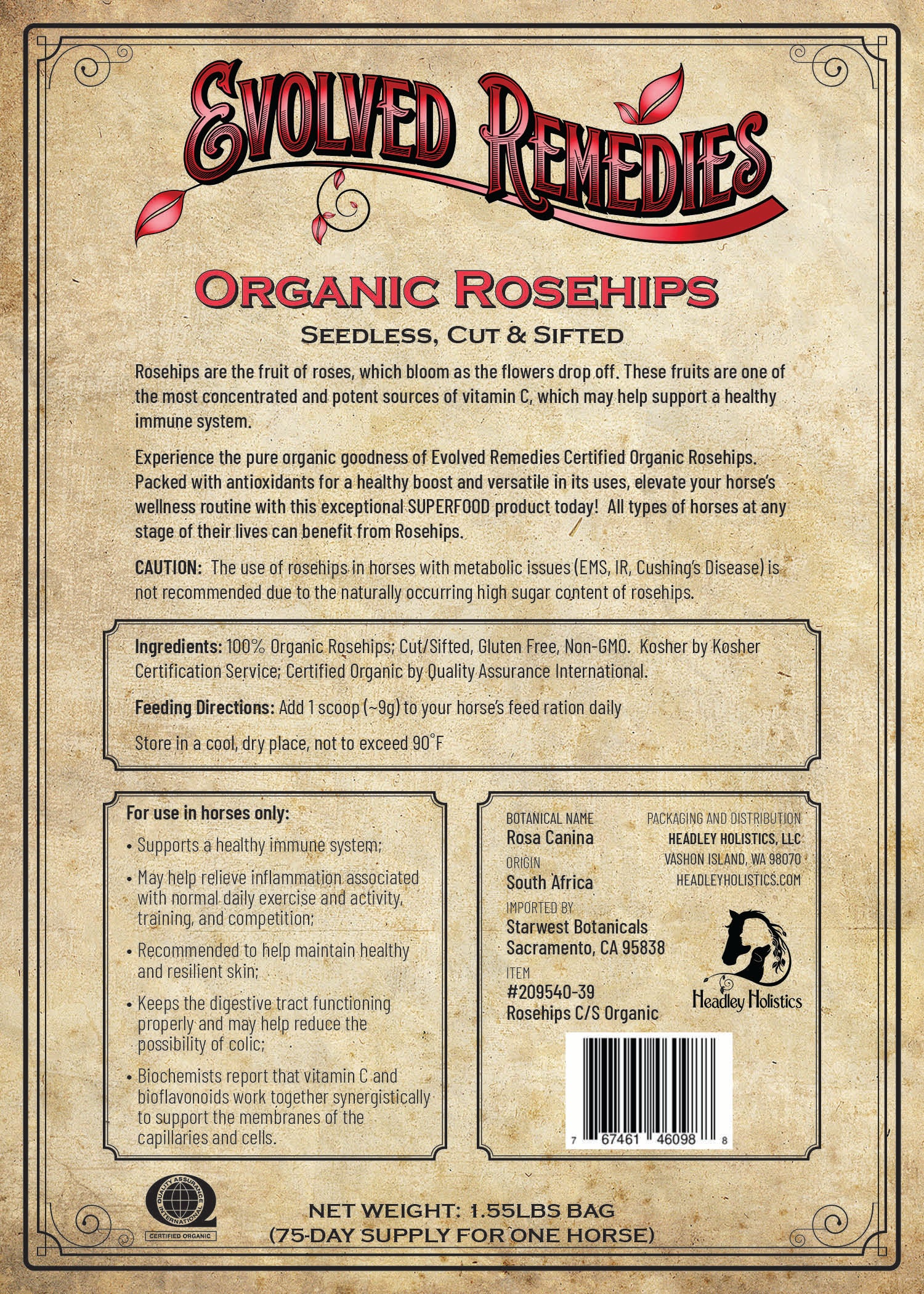
Why does my horse have crumbly hooves despite a balanced diet? Usually it is not intake — it is absorption. Two forces work against you. First, mineral antagonism and glyphosate binding tie up copper and zinc before they reach the hoof. Second, glyphosate damages the gut lining and microbiome, and a compromised gut absorbs poorly to begin with. Stack that on top of conventional feeds built around synthetic vitamins and minerals — which are poorly absorbed even at their best — and a diet that looks “balanced” on the bag can still leave the hoof starved. This is exactly why we build nutrition around organic, whole-food superfoods: they support the gut instead of taxing it, and they deliver nutrients in forms the horse actually absorbs. You can see the whole-food approach across our Evolved Remedies collection.
How do you reduce your horse’s glyphosate exposure?
The single biggest lever is the feed — glyphosate rides in on the ingredients. So it helps to know what to pull out, and what to put in its place.
What to avoid: the common glyphosate carriers
These are the feed and supplement ingredients most likely to carry glyphosate residue, especially in their conventional, non-organic forms:
- Cereal grains — wheat, oats, and barley, plus their brans and middlings, often sprayed pre-harvest as a drying (desiccation) step that concentrates residue in the grain.
- Corn and corn byproducts — including distillers grains (DDGS), a common low-cost filler in feeds.
- Soy and soybean meal — a GMO “Roundup Ready” crop sprayed during growth.
- Beet pulp — sugar beets are also a Roundup Ready GMO crop.
- Legumes and pulses — peas, lentils, and beans, frequently desiccated pre-harvest.
- Canola and canola meal — another GMO glyphosate-tolerant crop.
- Conventional alfalfa — Roundup Ready alfalfa is now widely grown.
- Molasses and cane byproducts — often from glyphosate-treated sugar crops.
- Rice bran and other processed grain byproducts.
The pattern is simple: the more a feed leans on grains, GMO crops, and processed byproducts, the higher the likely glyphosate load.
What to feed instead
Broad strokes: build the diet around clean forage and whole foods, and cut the processed, grain-heavy concentrates.
More specifically, here is the exact diet we feed our own horses and most often recommend to our clients — built to do two things at once: eliminate as much glyphosate exposure as possible, and deliver complete, comprehensive nutrition along with the healing phytonutrients (natural plant compounds) that help horses truly thrive:
- A clean, tested variety of hay.
- Hay pellets.
- CoolStance copra — when a horse needs extra calories, fat, or energy.
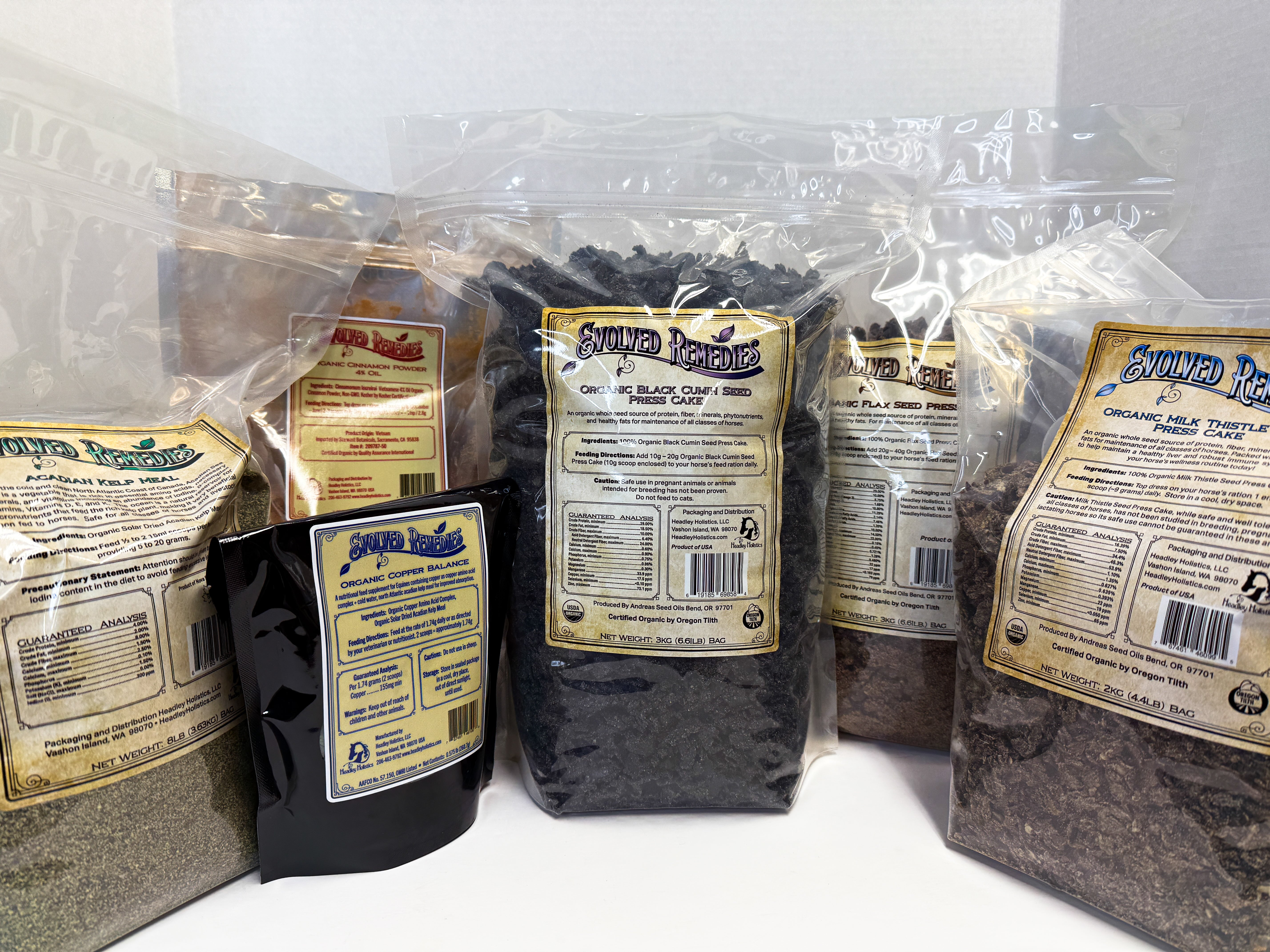
Then, depending on what the individual horse needs, we layer in one of our organic, whole-food superfood protocols to cover micronutrients, amino acids, fats, and targeted support:
- General Wellness & Longevity
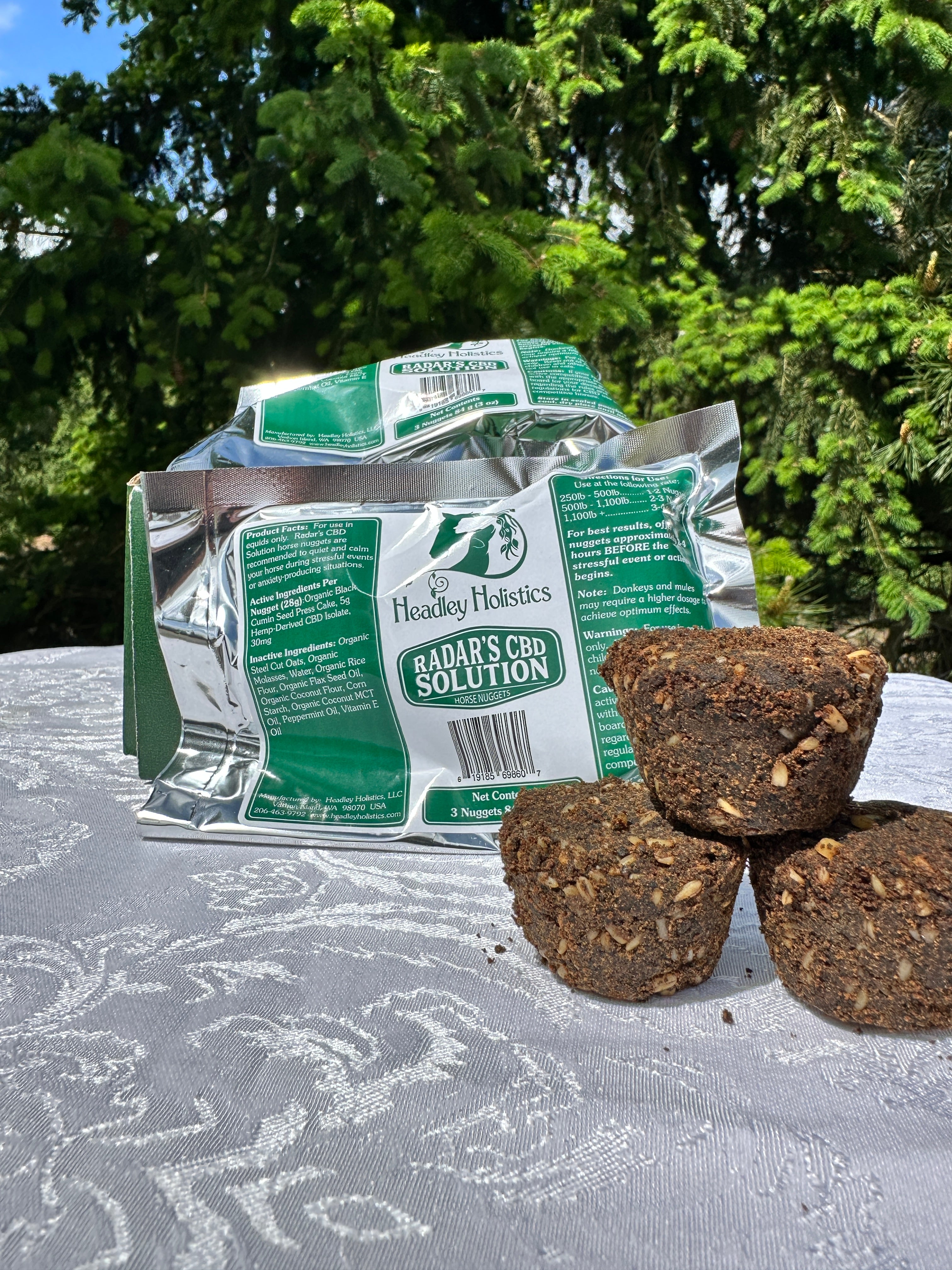
- Metabolic Support
- Anti-Inflammatory & Arthritis Support
- Immune Boosting
- Hoof Health
Each protocol is built with about 150 servings of every ingredient, so a single kit lasts an average horse roughly four to five months — comprehensive, whole-food support that turns out to be genuinely economical.
Want to try it with your own horse?
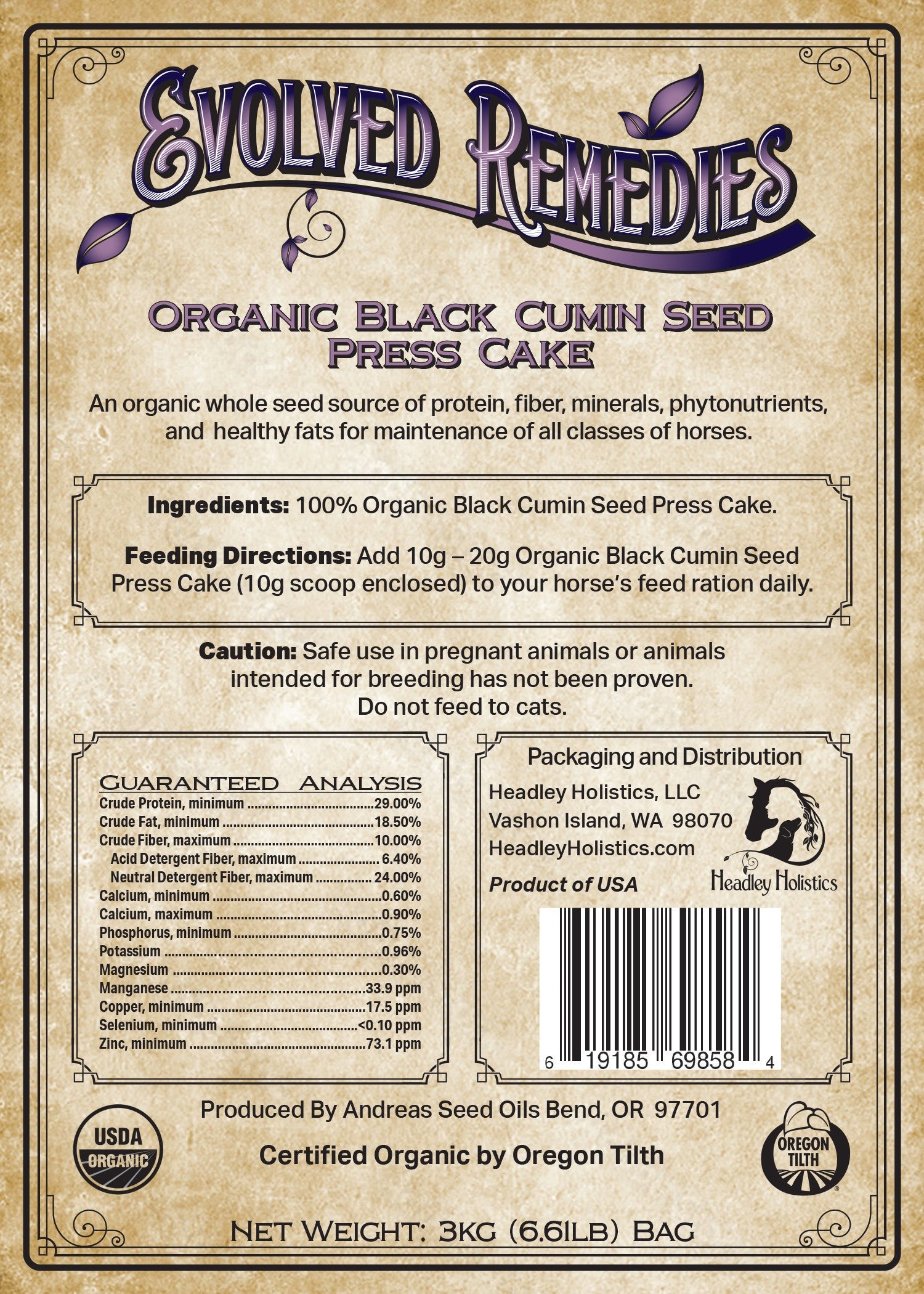
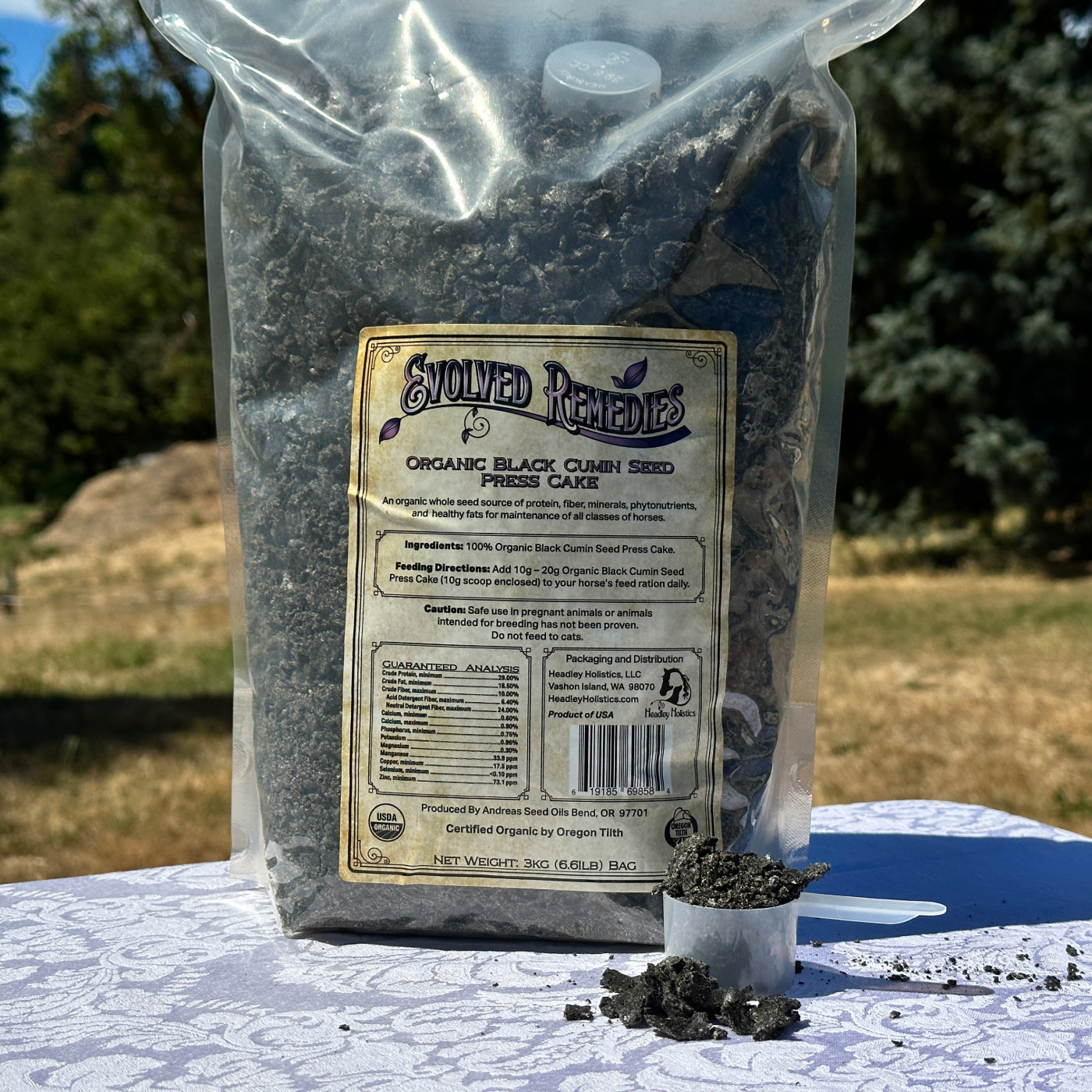
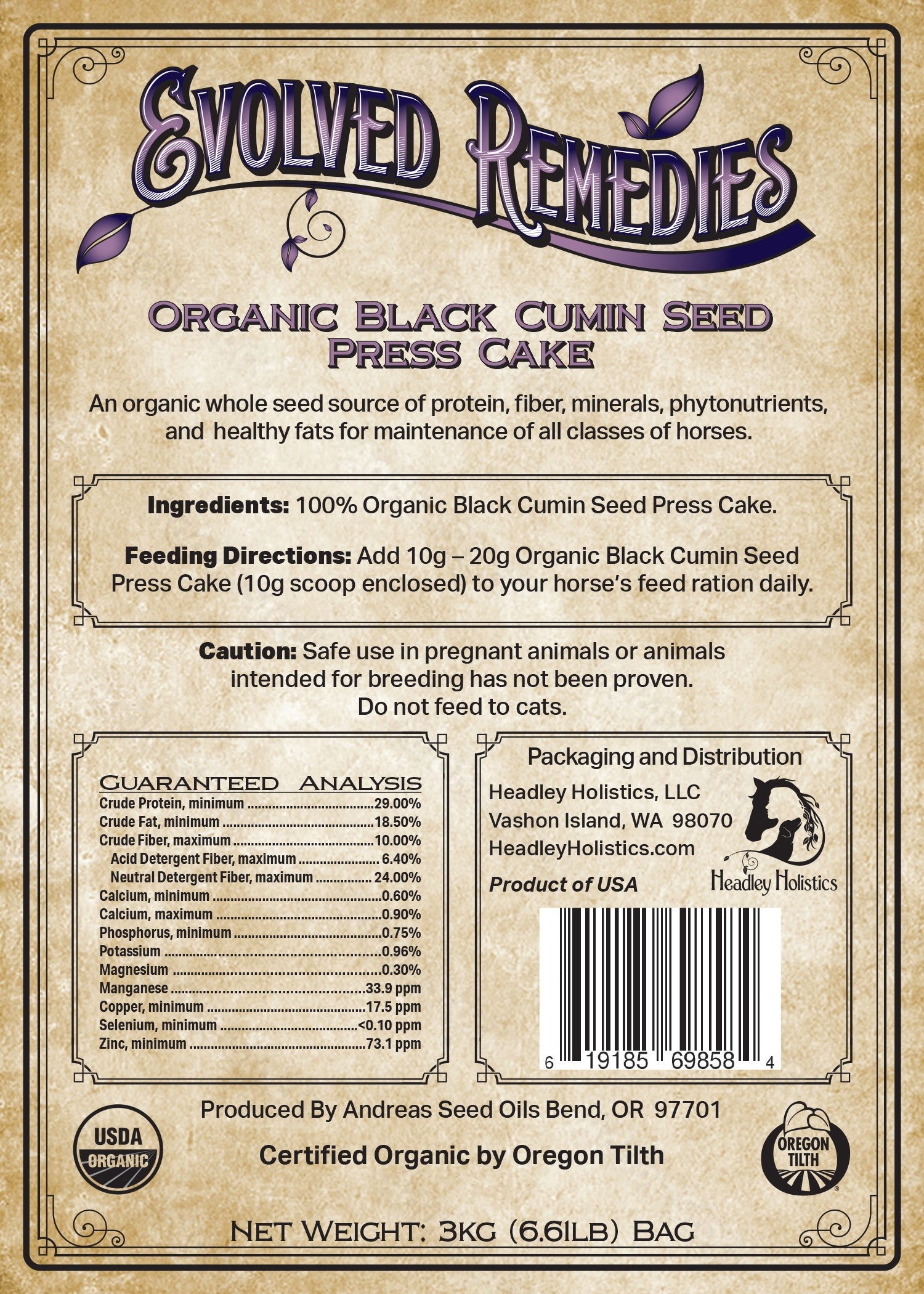
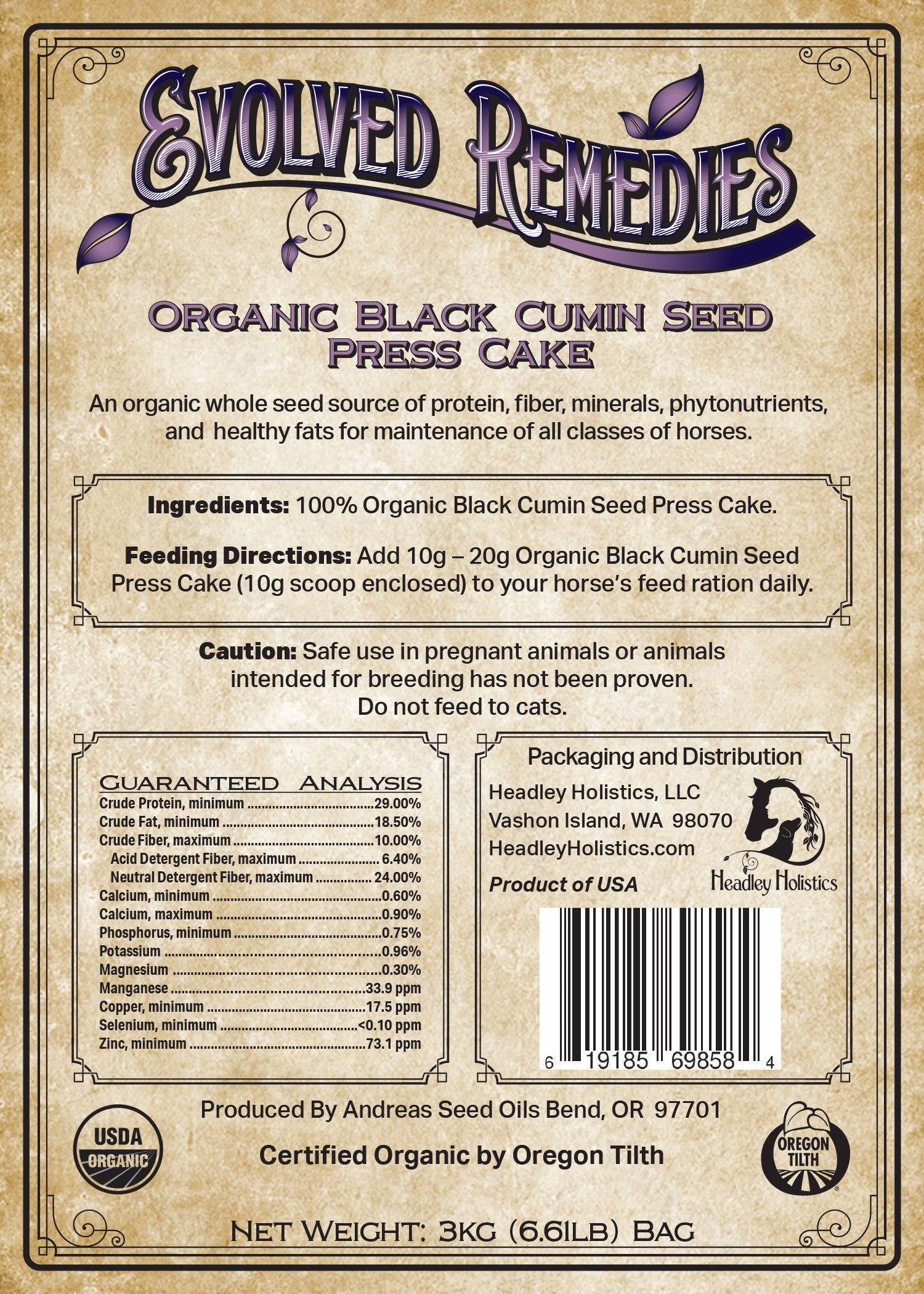
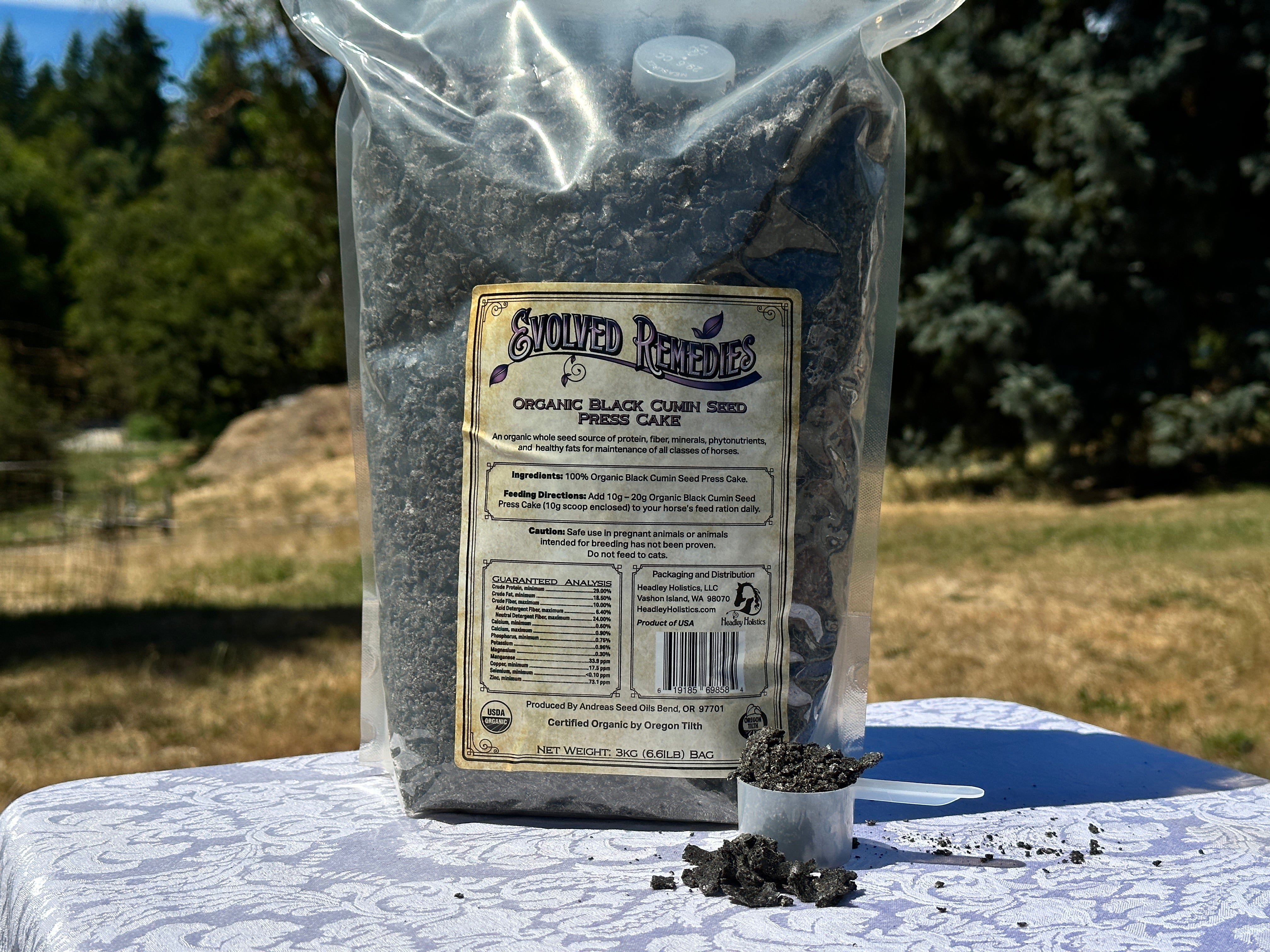
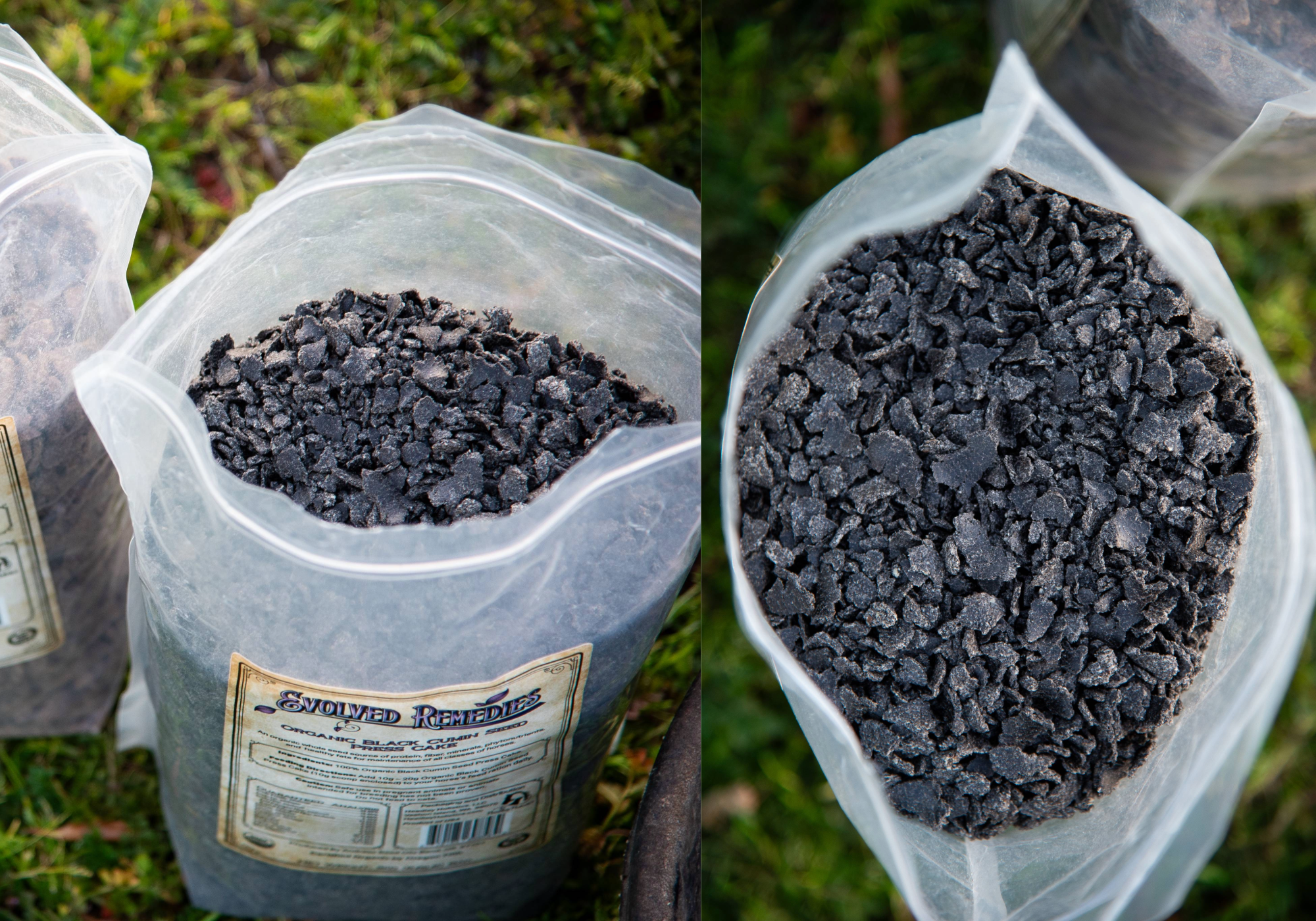
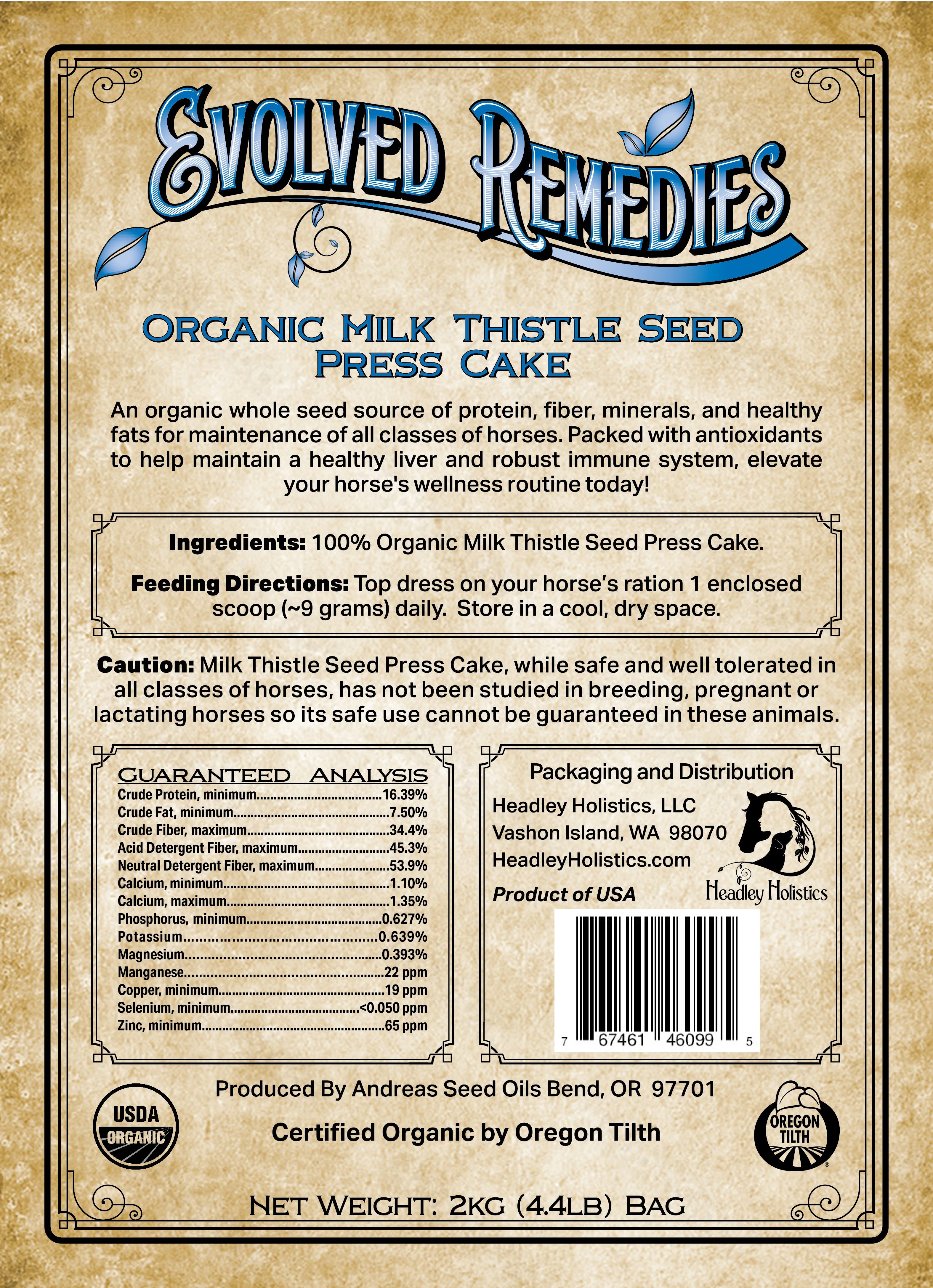
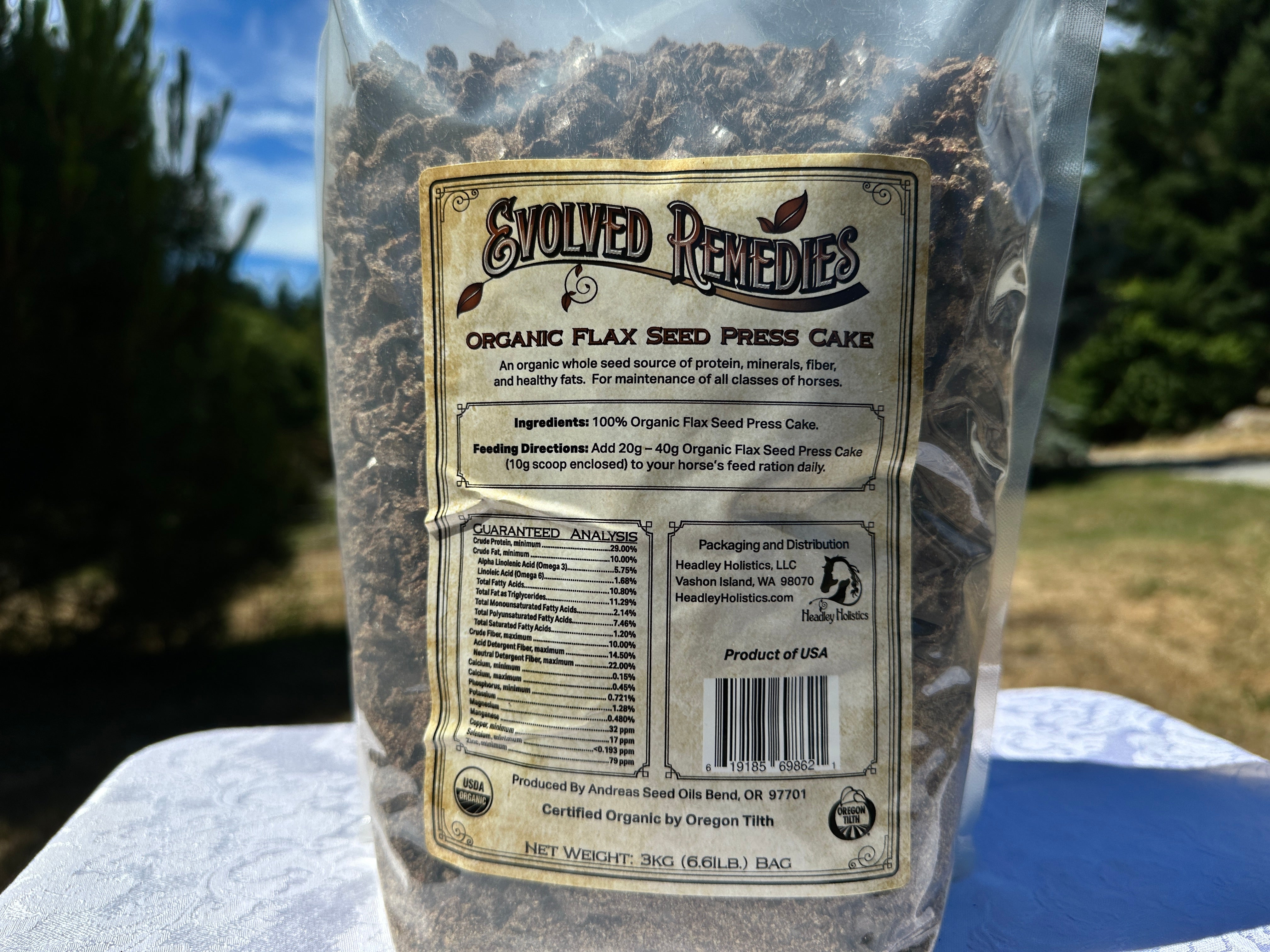
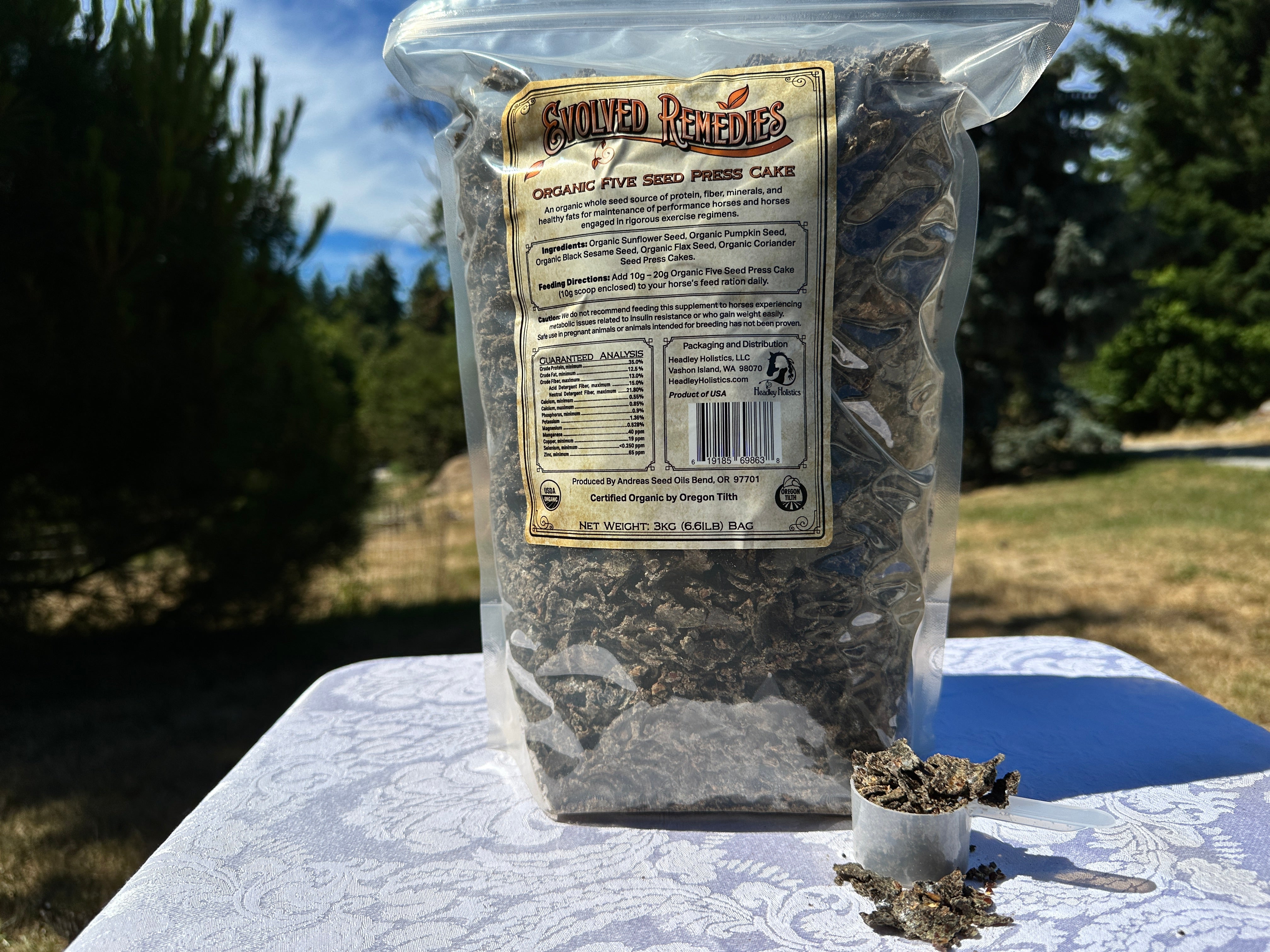
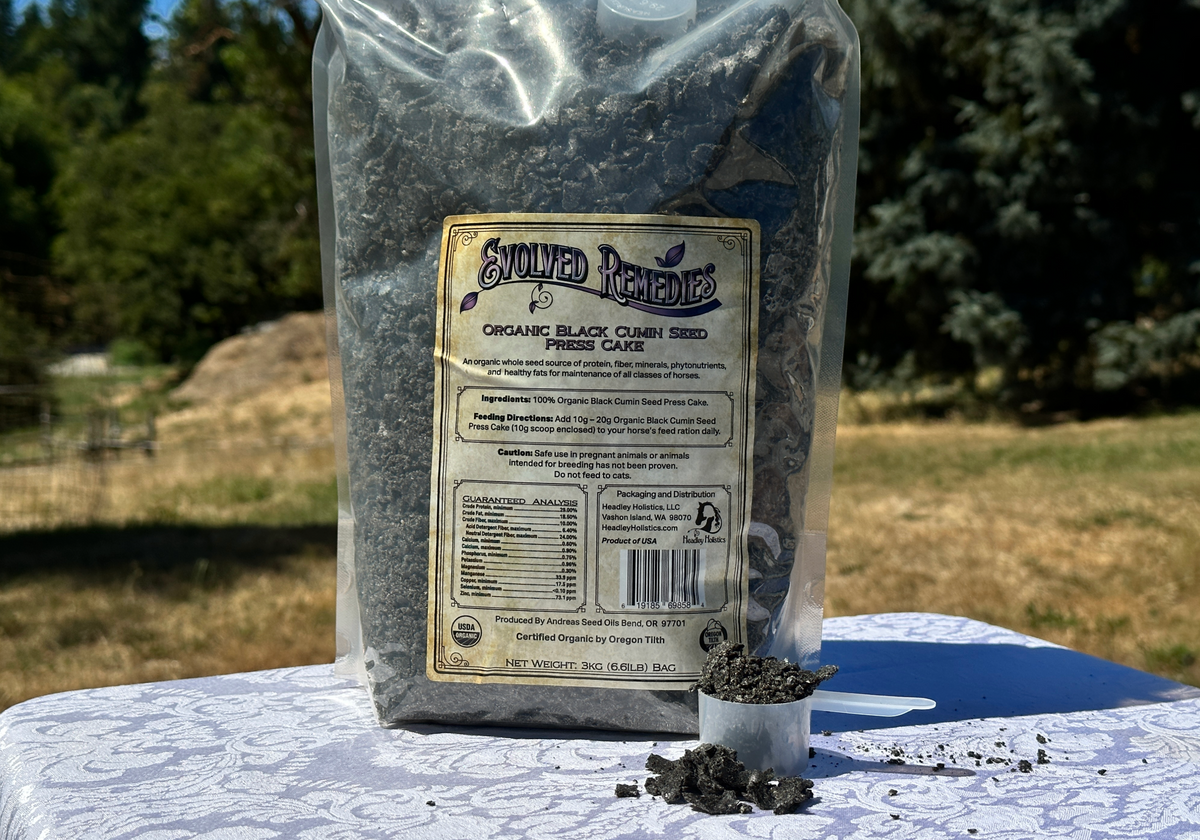
The easiest place to start is our 2-week sample of Organic Black Cumin Seed Press Cake — a low-cost way to see how your horse responds. First order ships free.
Start with the 2-week sample →Is oat hay or wheat safe? It depends on the source. Pre-harvest desiccation is the risk, so choose tested or organic where you can, and lean on clean forage.
How do you rebuild the gut and remineralize for stronger hooves?
Removing the insult is step one. Step two is rebuilding what was depleted.
Support the gut. A whole-food, fiber-forward, low-sugar diet gives the hindgut microbiome the fuel it evolved to run on. Pulling grain, sugar, and glyphosate-contaminated inputs removes the main drivers of gut inflammation.
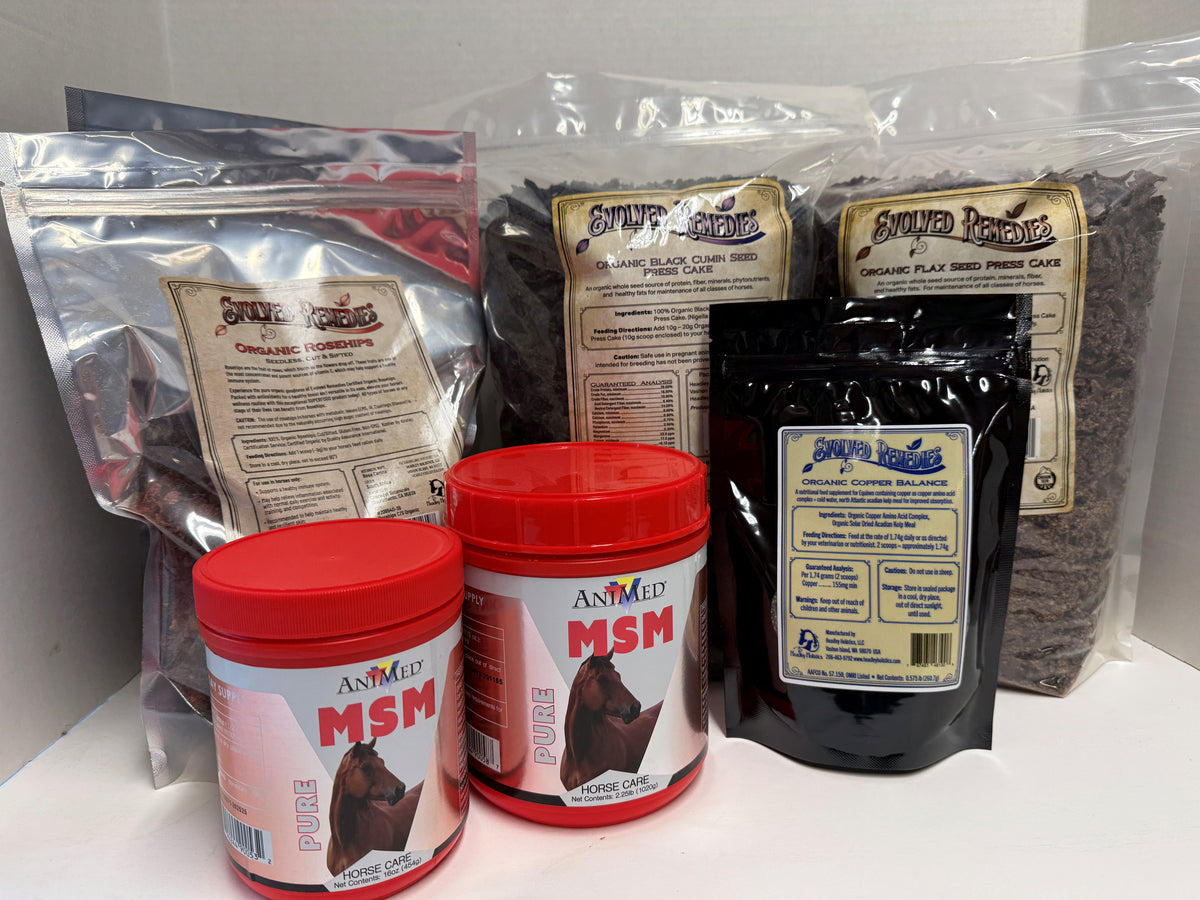
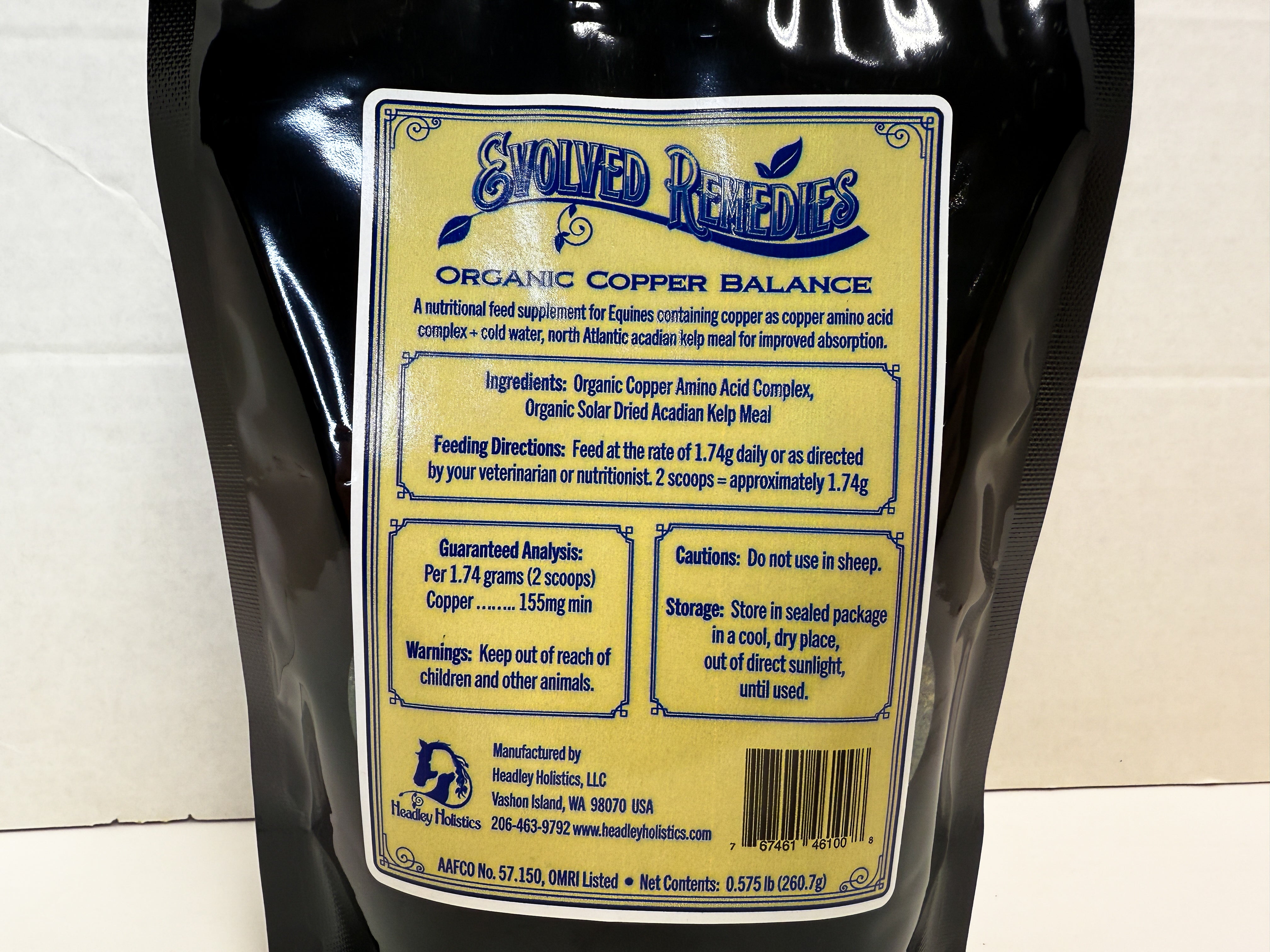
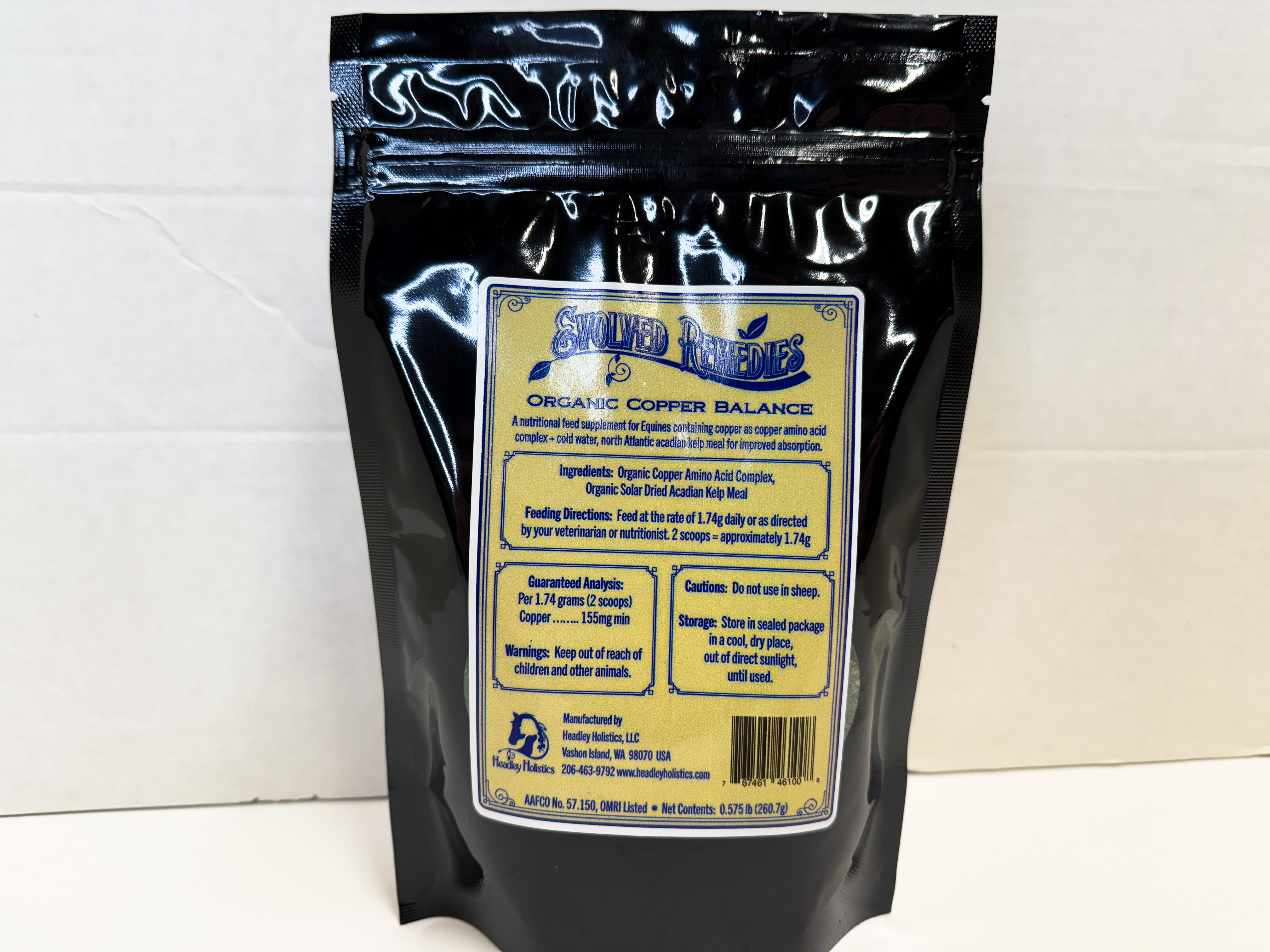
Restore the minerals. Make sure the horse gets adequate, bioavailable copper and zinc in the right ratio — organic (proteinate/chelated) forms absorb far better than inorganic salts [11] — and keep an eye on iron overload from water and forage. Balanced copper and zinc is just one piece of what a protocol like our General Wellness & Longevity protocol delivers. Because it is built from organic whole foods rather than isolated synthetics, it offers broad-spectrum support across many body systems at once — coat, hooves, gut, and immune function — in a complete, highly palatable form the horse actually absorbs. For horses that need focused hoof support, our Hoof Health protocol targets exactly this. Like all our protocols, each is designed with roughly 150 servings of every ingredient — about four to five months for an average horse.
Be patient with the hoof. New horn grows slowly — roughly a quarter to three-eighths of an inch per month. Expect three to six months of consistent feeding before better mineral status shows at ground level. The change starts long before you can see it.
Frequently asked questions
Can glyphosate cause laminitis in horses?
Not in a single, direct study — that research likely will not be funded. But the individual mechanisms are documented: glyphosate disrupts the gut barrier and microbiome and binds the minerals your horse needs, and those are the same pathways that drive laminitis. It is the most coherent explanation we have for what we see in horses today, and reducing exposure is a practical, low-risk step you can take now.
What is the most common cause of laminitis?
Insulin dysregulation — the endocrine form — accounts for roughly 90% of clinical cases [1]. Sugar and starch are the main dietary drivers.
Can a lean horse get laminitis?
Yes. Insulin dysregulation occurs in lean horses too, so a normal weight does not rule out the risk [2].
How long until better feed improves the hooves?
Usually three to six months. The hoof grows slowly, so today’s diet shows up in new horn months from now.
What minerals matter most for strong hooves?
Copper and zinc for keratin, kept in the right ratio, plus adequate protein and amino acids. Watch for iron overload, which blocks their absorption.
Related reading
- The origin story behind this research — three decades on a horse farm and an MIT connection: What MIT Researchers and 30 Years on a Horse Farm Revealed.
- How modern equine health decline lines up with the rise of glyphosate: Why Are Horses Sicker Than They Used To Be?
- The deeper science — the five specific ways glyphosate acts on a horse’s body: The Five Mechanisms Explained.
Ready to put this to work?
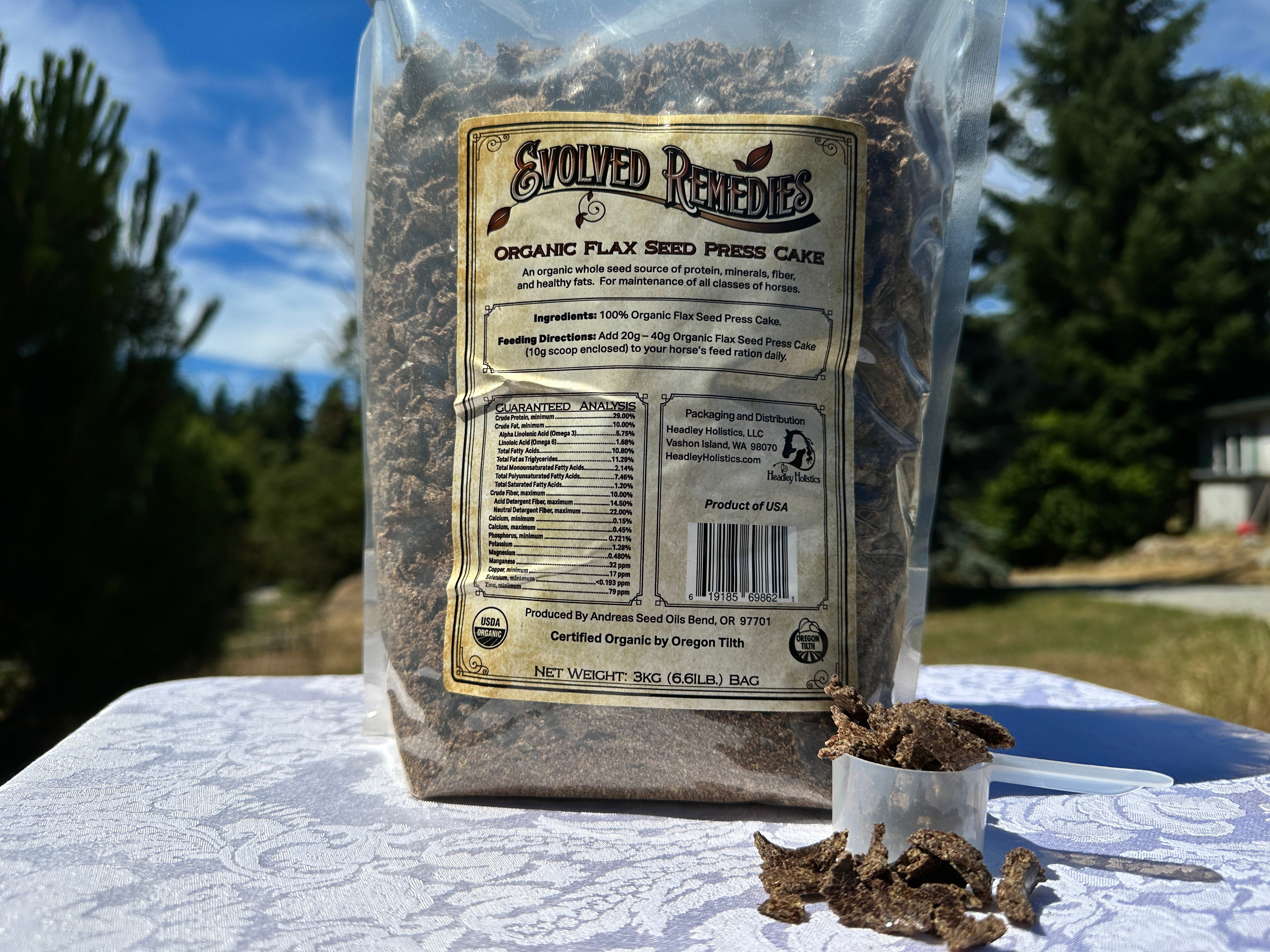
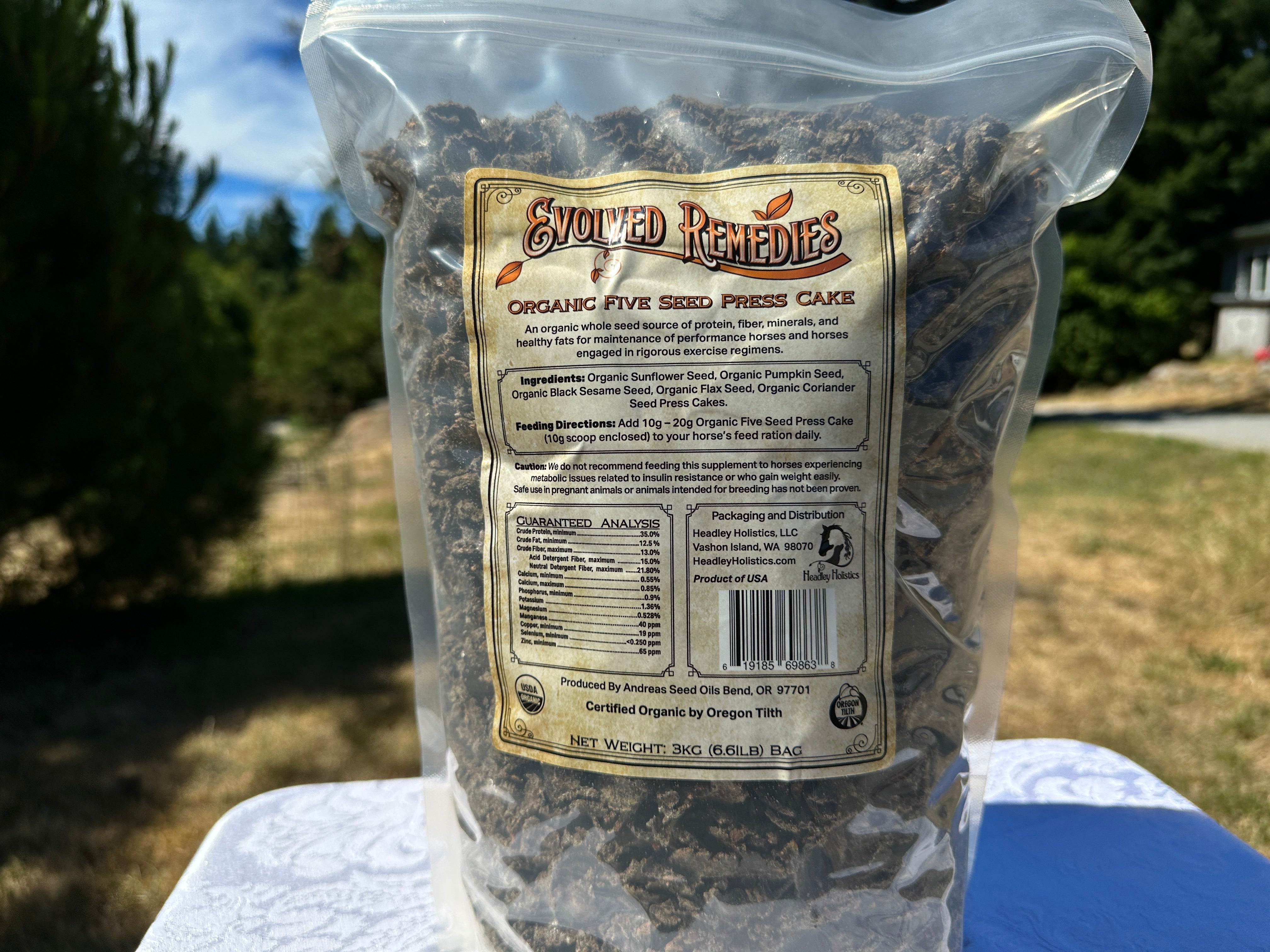
Start small with the 2-week sample, or go straight to the full-size press cake — first order ships free either way.
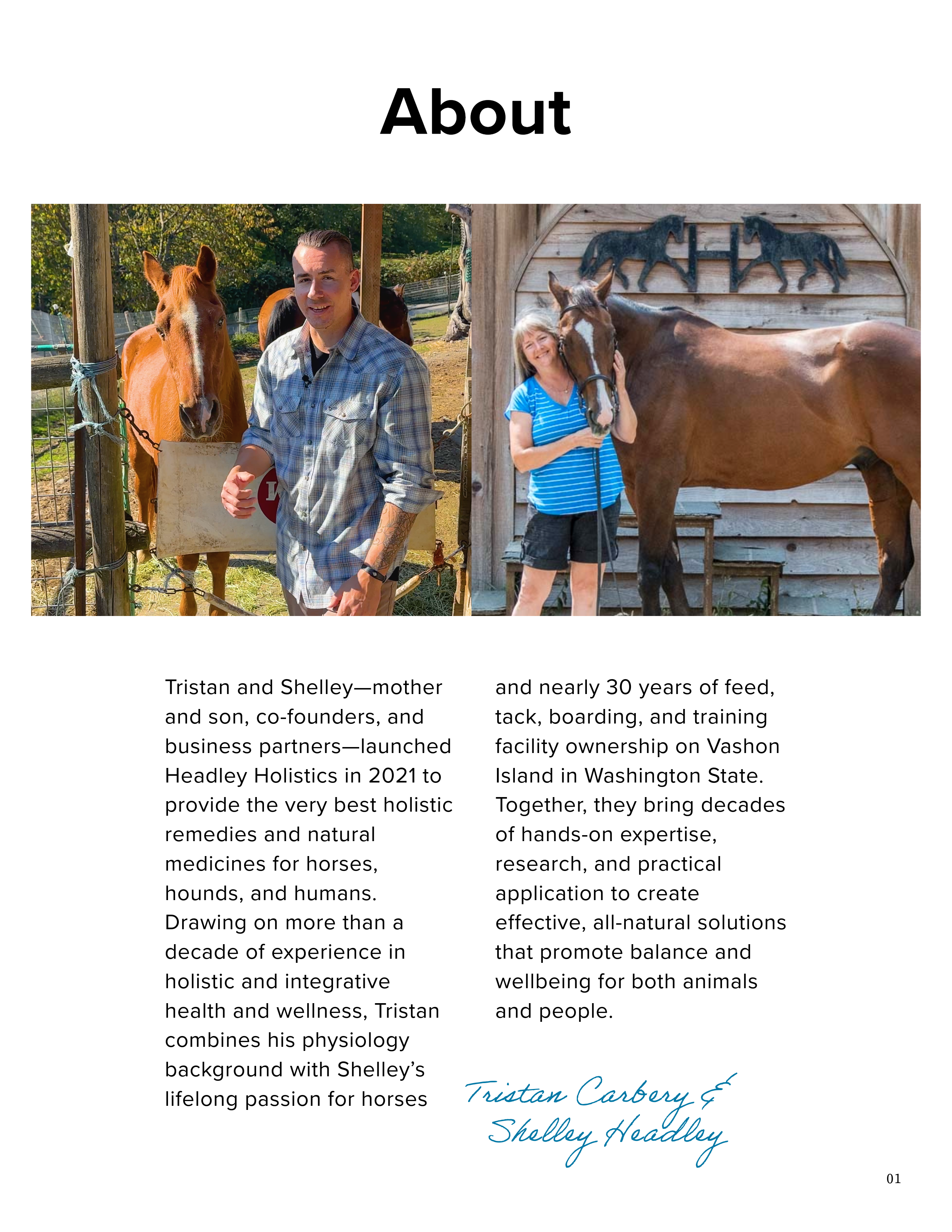
Shop the press cake →By Tristan, Co-Owner of Headley Holistics | B.S., Exercise Physiology | 15+ years in health & wellness | Published [July 2026]
References
- Karikoski, N.P., et al., 2011, “The prevalence of endocrinopathic laminitis among horses presented for laminitis at a first-opinion/referral equine hospital,” Domestic Animal Endocrinology.
- Merck Veterinary Manual, “Laminitis in Horses,” Musculoskeletal System.
- Asplin, K.E., Sillence, M.N., Pollitt, C.C., & McGowan, C.M., 2007, “Induction of laminitis by prolonged hyperinsulinaemia in clinically normal ponies,” The Veterinary Journal, 174(3), 530–535.
- de Laat, M.A., McGowan, C.M., Sillence, M.N., et al., 2010, “Equine laminitis: induced by 48 h hyperinsulinaemia in Standardbred horses,” Equine Veterinary Journal, 42, 129–135.
- Durham, A.E., et al., 2019, “ECEIM consensus statement on equine metabolic syndrome,” Journal of Veterinary Internal Medicine, 33(2), 335–349.
- Ignácio, A.D.C., et al., 2024, “Effects of glyphosate exposure on intestinal microbiota, metabolism and microstructure: a systematic review,” Food & Function, 15, 7757–7781.
- U.S. Patent 3,160,632, 1964, glyphosate metal chelator patent.
- U.S. Patent 7,771,736, glyphosate antimicrobial patent.
- Asplin, K.E., Patterson-Kane, J.C., Sillence, M.N., Pollitt, C.C., & McGowan, C.M., 2010, “Histopathology of insulin-induced laminitis in ponies,” Equine Veterinary Journal, 42(8), 700–706.
- Purina Animal Nutrition, “Horse Hoof Health & Nutrition” (citing Harrington, Walsh & White, 1973).
- Kentucky Equine Research, “Trace Minerals for Horses: Zinc and Copper.”
- Mad Barn, “Copper for Horses.”
- National Research Council, 2007, Nutrient Requirements of Horses, 6th ed. (recommended zinc-to-copper ratio ~4:1).
- Equus Magazine, “The Science of Hoof Health: Nutritional Foundations for Stronger Equine Feet.”



Leave a comment
This site is protected by hCaptcha and the hCaptcha Privacy Policy and Terms of Service apply.