

What MIT Researchers and 30 Years on a Horse Farm Revealed About What's Making Horses Sick
Want to understand exactly how glyphosate harms a horse from the inside out? We break down all five biological mechanisms in our companion article, How Does Glyphosate Affect a Horse's Body? The Five Mechanisms Explained.
One of the whole foods we lean on most in that fight is black cumin seed — see our complete guide to black cumin seed for horses for the full breakdown of its benefits and the science behind them.
Want to try it with your own horse?
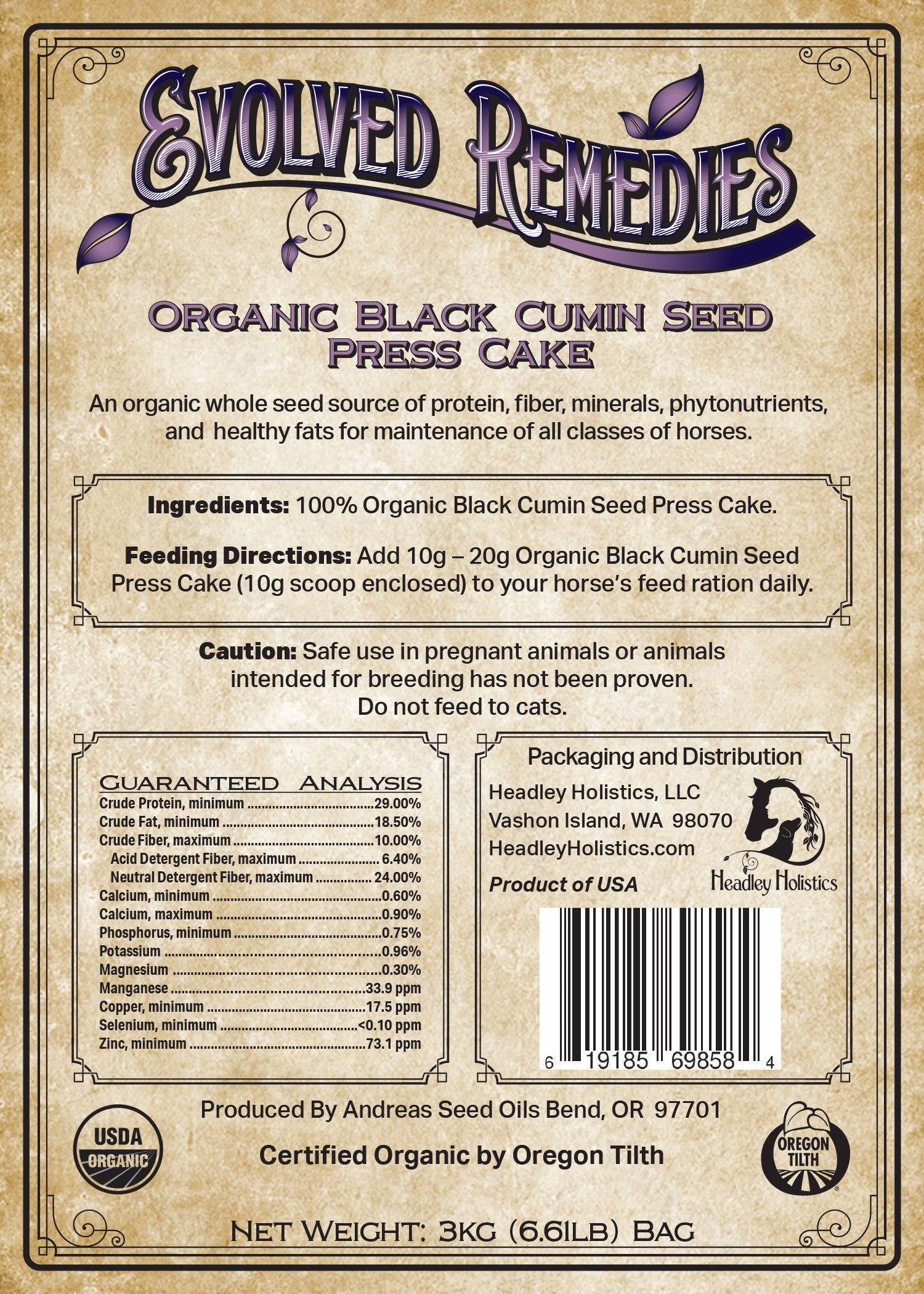
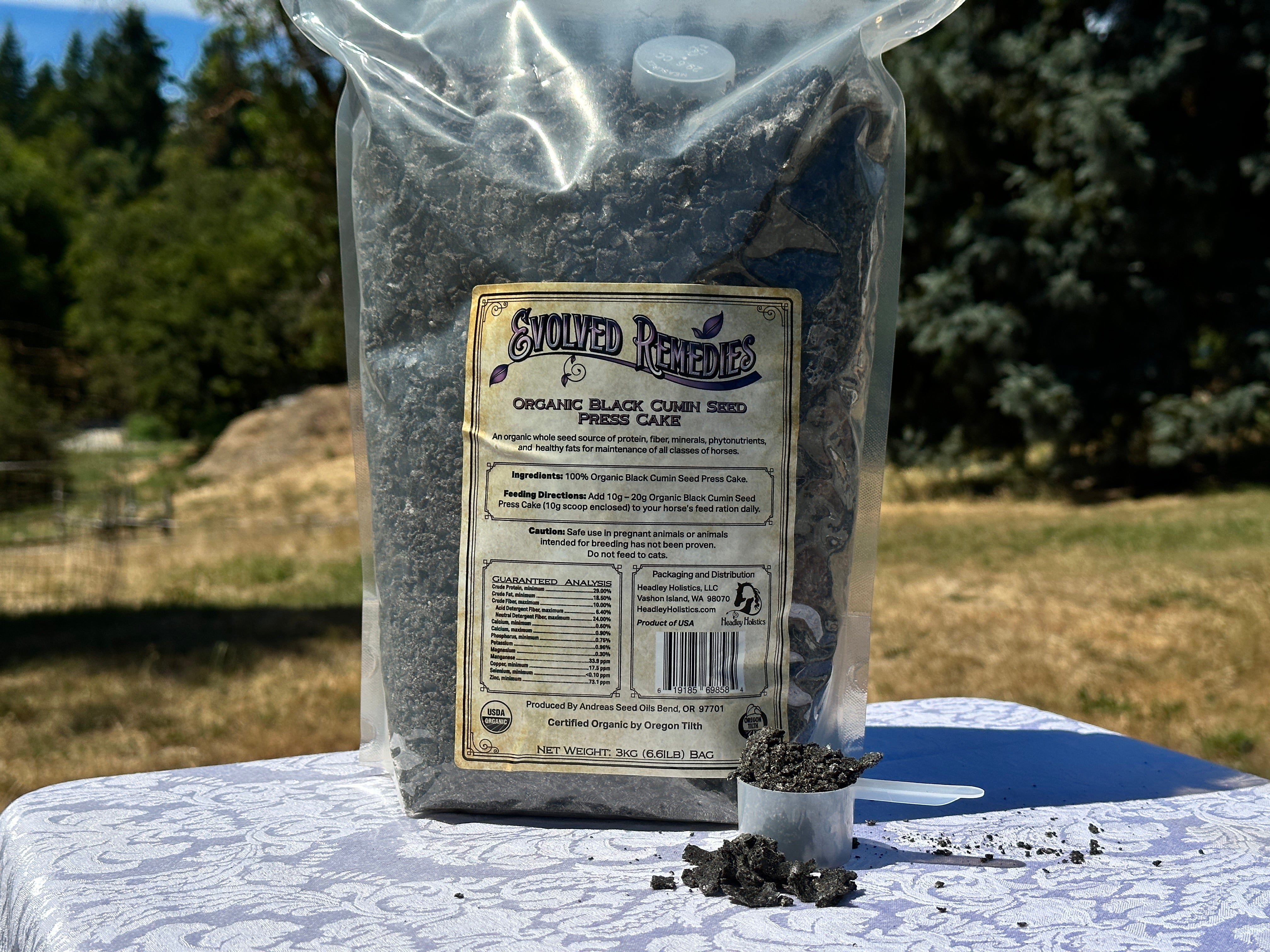
The easiest place to start is our 2-week sample of Organic Black Cumin Seed Press Cake — a low-cost way to see how your horse responds. First order ships free.
Start with the 2-week sample →Who Is Headley Holistics and Why Should You Listen to Us?

We are not researchers who study horses from a distance. We are not influencers who discovered holistic horse care last year. We are a family that has lived and breathed horses for over three decades — and that distinction matters when it comes to everything we are about to share with you.
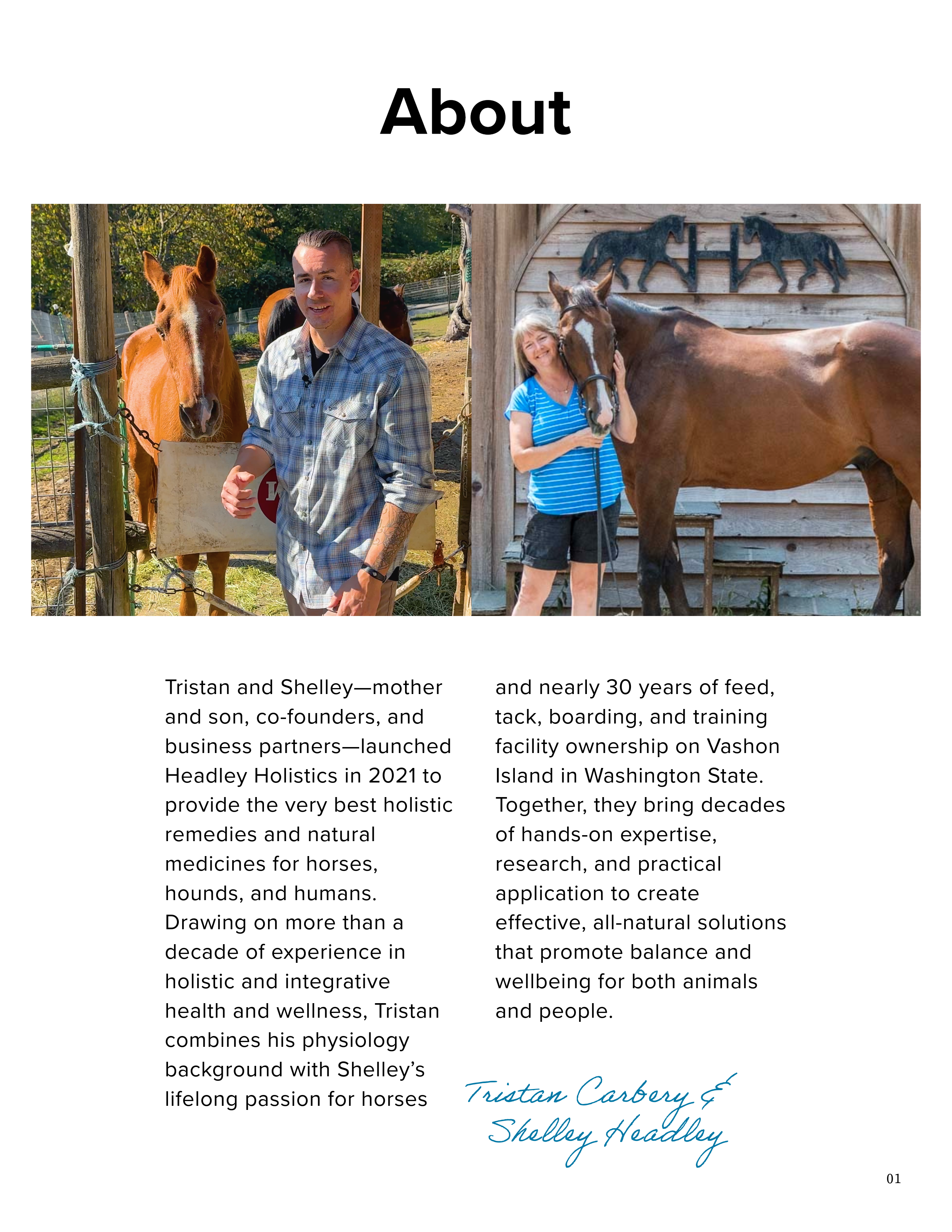
Headley Holistics was founded by Shelley Headley, who has been involved with horses since before most of our customers were born. Alongside running our family farm, Shelley and her son Tristan have operated a feed supply store for over 30 years — which means we have had a front-row seat to how horse health in this country has changed over time. Not in research papers. In real horses. In our community. In our own herd.
Tristan holds a Bachelor of Science in Exercise Physiology and carries certifications in PEMF therapy, sports nutrition, myofascial release, Psych-K, Pranic Healing and External Qi Gong Healing. He also spent time as Special Assistant to the CEO of a biophysics company. Shelley's expertise is deep and practical — built not in classrooms but in feed rooms, barns, and years of working directly with horses that conventional veterinary medicine had run out of answers for.
In 2016 that expertise earned Shelley an invitation to join a scientific working group led by MIT researchers Dr. Stephanie Seneff and Anthony Samsel — two of the world's leading voices on glyphosate and its biological effects. That collaboration, and everything that led up to it, is the foundation of what we share here.
We are not asking you to take our word for anything. We are asking you to look at the evidence — the research, the data, and thirty years of patterns that became impossible to ignore.
What MIT Researchers Discovered Was Killing Racehorses
In 2016, Shelley was invited to join a scientific working group investigating something that had been quietly alarming people inside the horse racing industry for years: a sharp and accelerating rise in catastrophic injuries on racetracks across the country. Tendon ruptures. Ligament failures. Horses collapsing mid-race. The kind of injuries that end careers and end lives.
The working group was led by Dr. Stephanie Seneff, a senior research scientist at MIT's Computer Science and Artificial Intelligence Laboratory, and Anthony Samsel, a research scientist and consultant with decades of experience in biochemistry and toxicology. Both had already published extensively on glyphosate — the active ingredient in Roundup — and its effects on biological systems. Their published work had proposed, among other things, that glyphosate may disrupt mineral absorption, destroy gut bacteria, and interfere with protein synthesis in ways that conventional toxicology had largely overlooked (Seneff & Samsel, 2013; Samsel & Seneff, 2015).
What brought them to the racetrack was a pattern in the data. Thoroughbred racehorses — animals bred for physical perfection and maintained under intensive veterinary supervision — were breaking down at rates that defied easy explanation. According to research published in the Equine Veterinary Journal, tendon injuries affect approximately 30% of Thoroughbred racehorses in active training, with bowed tendons alone responsible for forcing roughly 25% of racehorses into early retirement (Kasashima et al., 2004). The question the working group was asking was not just how these injuries were happening — but why the rate was climbing.
Shelley was brought in as the equine expert. Her role was to contribute three decades of practical knowledge about horse health, feed, and natural rehabilitation to a group that was looking at the problem from a molecular and biochemical angle. What she heard in those rooms — and what she had already been observing on our own farm — aligned in ways that were difficult to dismiss.
The working group's core hypothesis centered on glyphosate contamination in commercial horse feed. The same feed that racehorses ate every day. The same feed that horses across America eat every day.
Glyphosate was first approved for agricultural use in 1974. By 1996, when Monsanto introduced the first glyphosate-resistant GMO crops, usage began to climb sharply. According to data from the US Geological Survey and the Environmental Protection Agency, annual agricultural glyphosate use in the United States increased from approximately 1.4 million pounds in 1974 to over 276 million pounds by 2014 — a roughly 200-fold increase in four decades (Benbrook, 2016). Today that number continues to climb, with estimates placing current annual usage at or approaching 300 million pounds.
What the researchers were asking — and what we had been asking on our farm for years — was whether that curve and the curve of rising equine health problems were connected. And if so, how.
The Pattern We Saw for 30 Years Behind a Feed Store Counter

When people ask us how we became so focused on glyphosate and equine health, the honest answer is that we did not set out to become advocates for anything. We set out to help people take care of their horses. The pattern found us.
For over 30 years, our family has operated a feed supply store alongside our farm. In that time we have worked with hundreds of horse owners across our community — people who love their horses, who follow conventional feeding recommendations, who do everything they are told to do. And over the course of those three decades, we watched something change that we could not explain away.
The horses were getting sicker. Not occasionally. Systematically.
Metabolic disorders that were rare when we opened our doors became weekly conversations. Laminitis cases that would have shocked us in the early years became routine. Horses with gut issues, immune dysfunction, poor hooves, chronic inflammation, and weight problems that no amount of conventional management seemed to resolve. And the owners coming to us for help were not negligent. They were confused. They were doing everything right — or everything they had been told was right — and their horses were still declining.
We started asking a question that the conventional horse care industry rarely asks. Not what is wrong with this horse. But what is this horse eating.
The answer, almost without exception, pointed to the same place. Corn. Soy. Wheat. Beet pulp. Processed grains. The standard ingredients in mainstream commercial horse feed — ingredients that, as we now understand clearly, are among the most heavily glyphosate-contaminated substances in the American food supply (Benbrook, 2016; Environmental Working Group, 2023).
Nine times out of ten, the horses with the worst health profiles were eating feeds built on those ingredients. And nine times out of ten, when we helped those owners transition to a clean, whole food nutrition protocol — removing the contaminated ingredients and replacing them with foods the horse's body could actually recognize and use — the horses got better.
Not sometimes. Not in a few cases. Consistently. Repeatedly. Over thirty years.
This is not a clinical study. We want to be transparent about that. What we observed behind that feed store counter is observational evidence — the kind that does not get published in peer-reviewed journals but that anyone who has spent decades working closely with horses and their owners will recognize immediately. It is also the kind of evidence that, when it lines up with emerging scientific research, becomes very difficult to ignore.
And as we will show you in the sections that follow, it lines up.
Six Horses, Six Diagnoses, One Root Cause
The best way we know how to explain what we have witnessed over three decades is not through statistics or research papers. It is through horses. Specific horses. With names, and histories, and outcomes that we watched unfold firsthand.
Here are six of them.
Gypsy — Cushing's Disease at 29

Gypsy was a mare who had been part of our family for years. In 2005, at 29 years old, she was diagnosed with Cushing's disease — clinically known as Pituitary Pars Intermedia Dysfunction or PPID. The condition involves a tumor or abnormal tissue growth on the pituitary gland that disrupts the regulation of both ACTH and cortisol — the hormones most commonly referenced in Cushing's diagnosis and management. Research published in peer-reviewed veterinary literature confirms that ACTH excess is a hallmark of PPID, with the pituitary pathology driving dysregulation across multiple hormonal systems (Haritou et al., 2008). The conventional recommendation was pharmaceutical management with Prascend, a drug that controls symptoms but does not address underlying causes.
We took a different approach. We pulled apart everything Gypsy was eating. Senior feeds. Cobb feeds. Everything in the feed room. What we found in nearly every product was corn, soy, and wheat — the most heavily glyphosate-contaminated ingredients in the American food supply. We cleaned up her diet completely and moved her to a whole food nutrition protocol built around two key ingredients. Organic Saigon Cinnamon with 4% oil — which has well-documented insulin-sensitizing and blood sugar-regulating properties that help manage the metabolic consequences of Cushing's — and organic black cumin seed press cake, whose active compound thymoquinone has been shown in research to support adrenal function and help regulate cortisol levels (Mohan et al., 2023; Bamosa et al., 2010).
Gypsy lived another ten-plus years. Happy, comfortable, and thriving.
Keli — Six Degrees of Coffin Bone Rotation

Keli was a 10-year-old Arabian gelding who foundered in 1995 with six degrees of coffin bone rotation in both front feet. If you know horses, you know that is a severe presentation — the kind that frequently ends in euthanasia. The conventional recommendation was heart bar shoes and stall rest.
We declined the heart bar shoes. Instead we developed a protocol using foam boots, duct tape, and vet wrap to offload pressure from the toe and support the frog while the internal structures healed. We combined this with a complete dietary overhaul — removing every contaminated feed ingredient and rebuilding his nutrition from the ground up with clean forage and whole food supplements.
Keli recovered fully. He lived another 23 years.
What we learned from Keli — and what the research increasingly supports — is that founder is not simply a mechanical problem requiring a mechanical solution. It is a metabolic problem rooted in what the horse is eating. Research published in the Equine Veterinary Journal has identified dietary carbohydrate overload and insulin dysregulation as primary drivers of laminitis (Bailey et al., 2007) — and glyphosate's known effects on gut bacteria and hormone regulation create exactly the conditions in which those processes go wrong (Samsel & Seneff, 2013).
Duncan and Ranger — Two Rescues, Opposite Problems, One Solution


In 2021 we took in two rescue horses whose conditions could not have looked more different.
Ranger was emaciated. No muscle. No energy. A horse that looked like he had been starved of everything he needed to survive.
Duncan was the opposite — overweight, metabolic, with fat deposits along his crest and shoulders, persistent skin issues, coat problems, and a hypersensitivity to fly bites that signaled a deeply dysregulated immune system.
Both horses had been living on conventional commercial feeds. We pulled their feeding histories and found the same contaminated ingredient profile we had seen hundreds of times before.
We stripped everything back. Clean forage base. Whole food and superfood supplementation. No synthetic vitamins, no contaminated fillers. Just nutrition the horse's body actually recognizes.
Ranger gained weight, rebuilt muscle, restored his topline, and got his energy back. Duncan lost the excess weight, his fat deposits decreased, his skin healed, his coat returned, and his fly sensitivity disappeared entirely.
Same protocol. Two completely opposite presentations. The only variable we changed was the food.


Cash — Arthritis, Metabolic Dysfunction, and 15 More Years

Cash arrived on our farm in 2011 at 16 years old, days away from the slaughter pipeline. He was an American Paint horse with crippling arthritis, severe metabolic dysfunction, and hoof quality so poor he could barely move without pain. Conventional medicine had nothing left to offer him.
We looked at what he had been eating his entire life. The same story we had seen before — corn, soy, wheat, commercially processed feeds heavily contaminated with glyphosate. Research has linked chronic glyphosate exposure to systemic inflammation, mineral deficiency, and disrupted gut function — all of which manifest in exactly the constellation of symptoms Cash presented with (Samsel & Seneff, 2013; Kruger et al., 2014).
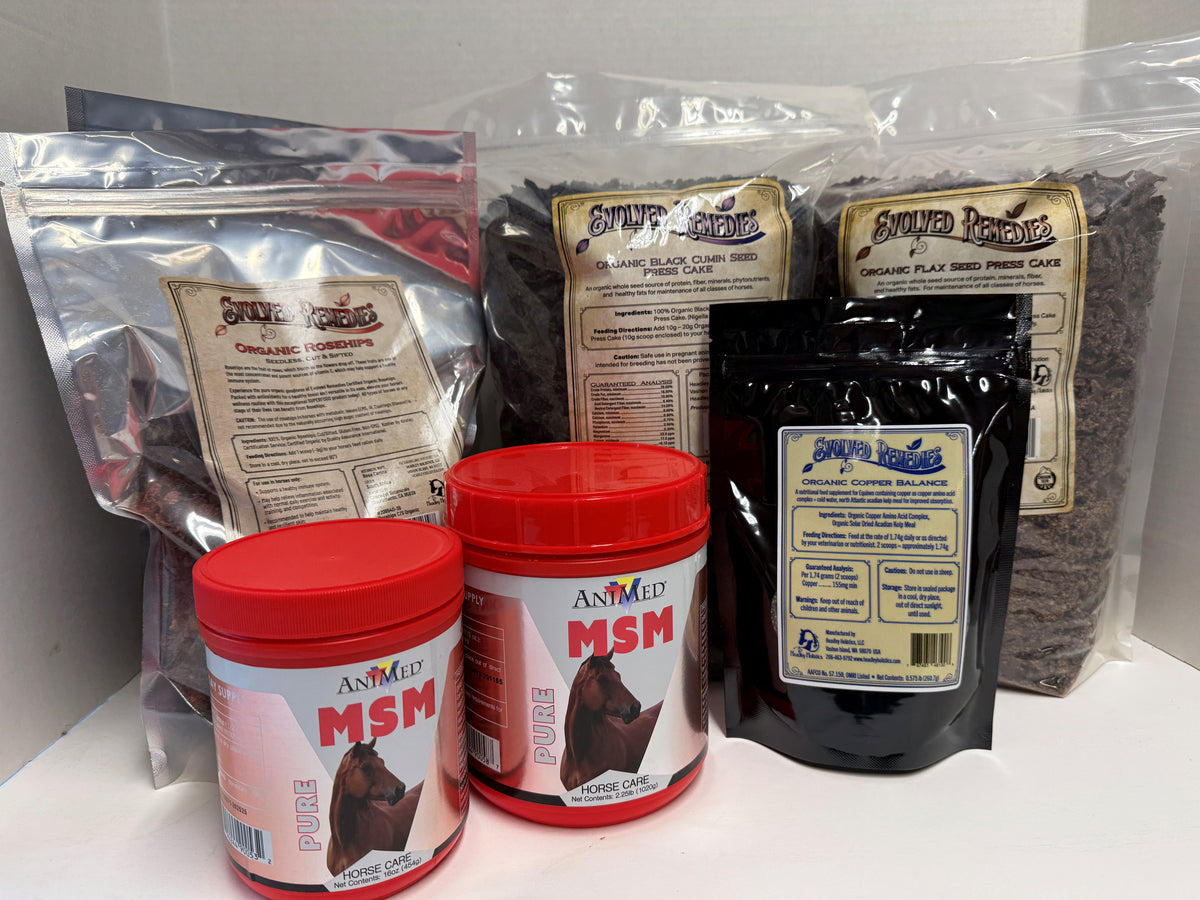
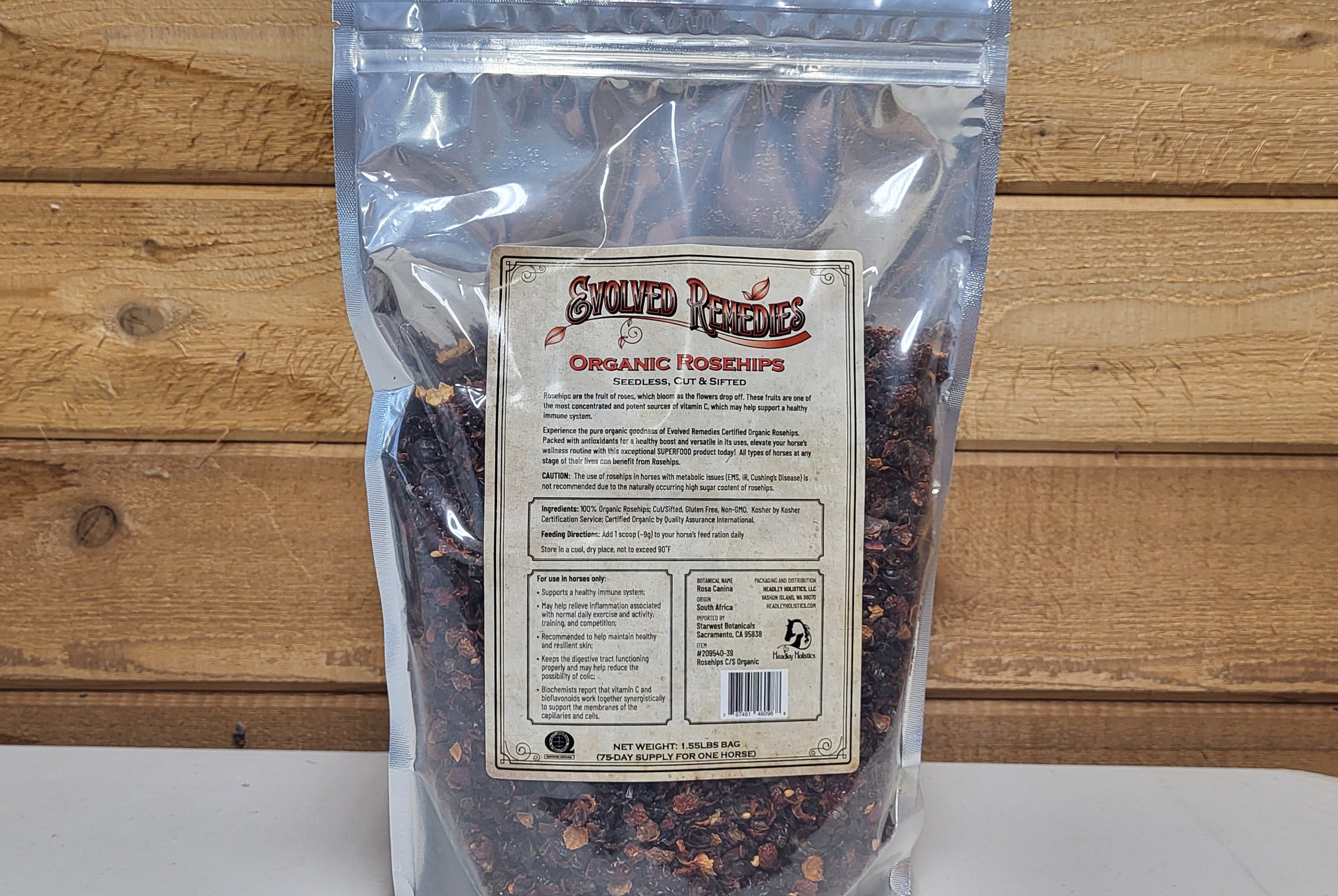
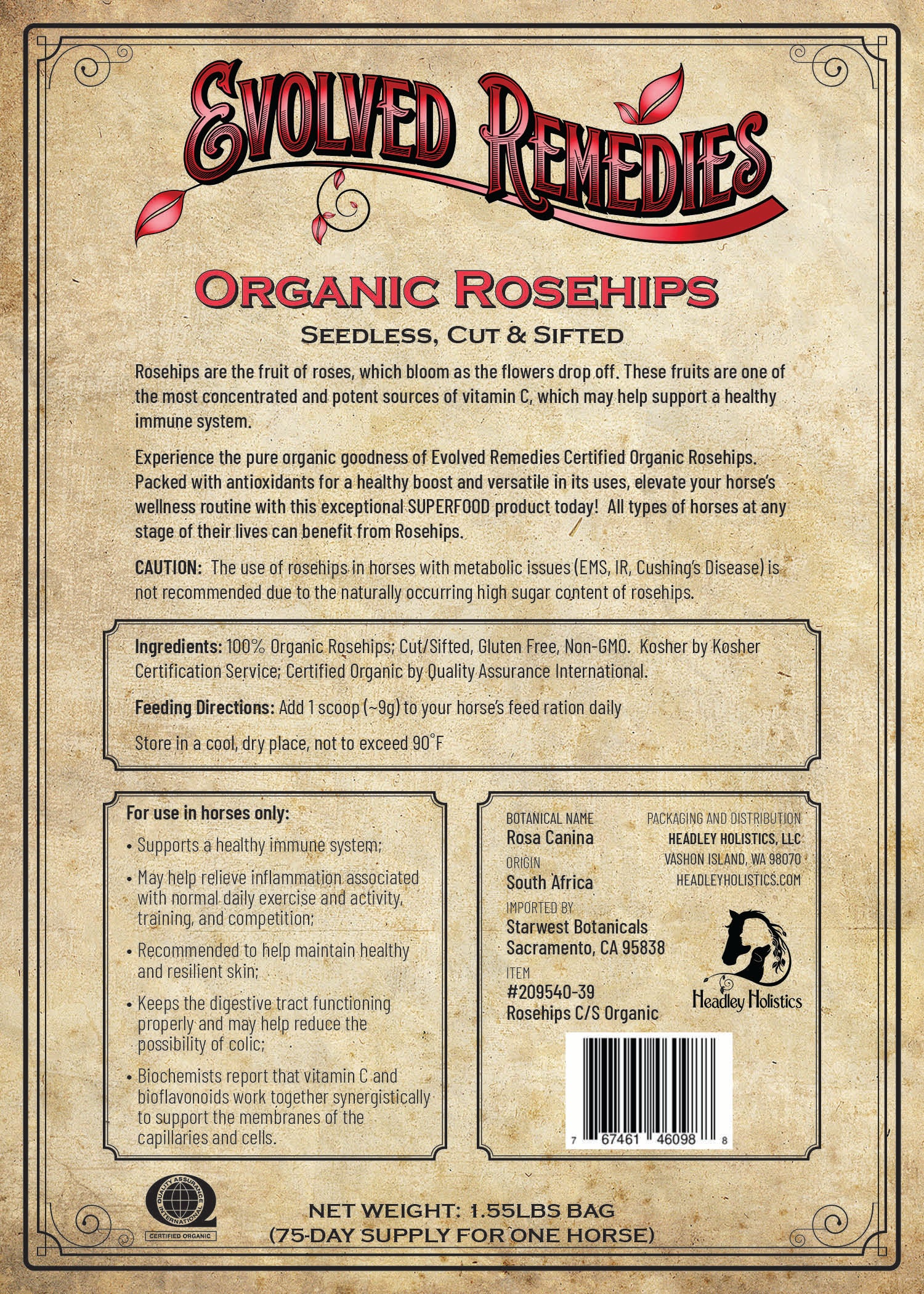
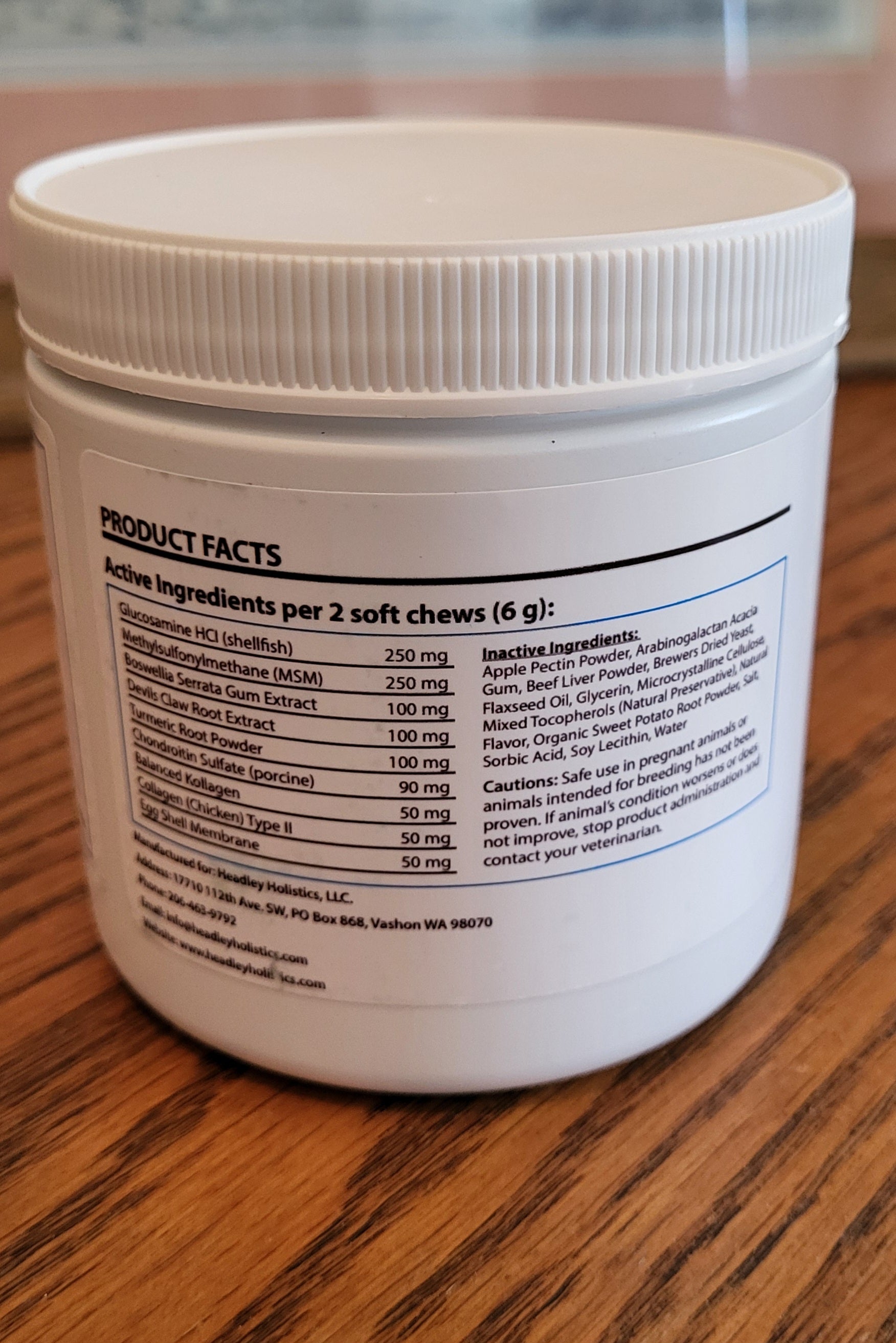
We changed his diet completely. Clean forage. Organic black cumin seed press cake for its documented anti-inflammatory and metabolic regulating properties (Bamosa et al., 2010). Rose hips for natural vitamin C and joint support. MSM for connective tissue health. PEMF therapy to support circulation and pain management.
Cash's arthritis became manageable. His metabolic issues resolved. His hooves improved. He lived on our farm for another 15 years — happy and mostly pain free. He was 31 years old when he passed.
Radar — A Racehorse the Track Couldn't Fix


Radar came off the Southern California racing circuit in 2008 at just 6 years old. He arrived with a 50% tear in one of his suspensory ligaments, the kind of injury that typically ends a horse's career permanently. His hooves were textbook Thoroughbred disaster — long toe, no heel, thin soles, no hoof wall. And shortly after arriving on our farm, his entire face and body broke out in welts. His immune system was so dysregulated that his skin was violently reacting to the environment around him.
The racetrack diet that had fueled Radar's career was built on race performance feeds, high grain, and lots of oats — all heavily contaminated with glyphosate. Research from Seneff and Samsel's published work suggests that glyphosate's disruption of mineral absorption and protein synthesis — specifically its potential interference with glycine incorporation into collagen — may help explain the pattern of tendon and ligament failures seen increasingly in racehorses (Samsel & Seneff, 2015).
We cleaned up his diet completely. Whole food and superfood supplementation targeted at rebuilding what the contaminated feed had broken down.
Radar's suspensory ligament healed completely. His hooves transformed — strong walls, good sole depth, feet we are genuinely proud of. The welts disappeared as his immune system came back online.
He has been on our farm for 17 years. Sound, healthy, and happy.
His racing career broke him. Clean food fixed him.
What Do These Six Horses Have in Common? Glyphosate.
Six horses. Six different diagnoses. Cushing's disease. Severe founder with coffin bone rotation. Emaciation. Metabolic obesity. Crippling arthritis. A torn suspensory ligament and systemic immune collapse. On the surface these look like six completely unrelated health problems. But when you pull back and look at what every single one of these horses was eating before they came to us — or before we changed what we were feeding them — the same picture emerges every time.
Corn. Soy. Wheat. Processed grains. The standard ingredients in mainstream commercial horse feed. And the most heavily glyphosate-contaminated substances in the American food supply.
So what is glyphosate, and why does it matter so much?
Glyphosate is the active ingredient in Roundup, the world's most widely used herbicide. It was first approved for agricultural use in 1974. By 1996, when Monsanto introduced the first glyphosate-resistant GMO crops, usage began climbing at a rate that has not slowed since. According to data compiled by environmental researcher Charles Benbrook and published in Environmental Sciences Europe, annual glyphosate use in the United States increased from approximately 1.4 million pounds in 1974 to over 276 million pounds by 2014 — with current estimates placing annual usage at or approaching 300 million pounds (Benbrook, 2016).
Most people think of glyphosate as a weed killer. What is less widely known is that in 2010, Monsanto was granted US Patent 7771736 for glyphosate specifically as an antibiotic. That is not a fringe claim. It is a matter of public record.
And your horse's gut is home to trillions of bacteria.
Here is why that connection matters. Research published in peer-reviewed journals has identified at least four distinct biological mechanisms through which glyphosate damages mammalian health — particularly through its effects on gut bacteria and nutrient absorption.
Glyphosate as an Antibiotic
Because glyphosate was designed and patented as an antibiotic, it kills bacteria — indiscriminately. Research published in 2022 found that more than 54% of gut bacterial species in mammals are intrinsically sensitive to glyphosate (Leite et al., 2022). A horse with a damaged gut microbiome cannot absorb nutrients properly, cannot regulate hormones, cannot mount an effective immune response, and cannot maintain a healthy weight. Every single condition our six horses presented with has documented links to gut microbiome disruption.
Glyphosate as a Mineral Chelator
Glyphosate is a chelating agent — meaning it binds to minerals and locks them up so the body cannot absorb or use them. The minerals it targets most aggressively include manganese, magnesium, copper, and zinc (Samsel & Seneff, 2013). These are not minor nutrients. Magnesium regulates muscle function, nerve function, and insulin sensitivity. Zinc is essential for immune function, skin health, and hoof integrity. Copper is critical for tendon and ligament strength and joint health. Manganese is needed for bone development and cartilage formation. Deficiencies in one or more of these four minerals map almost perfectly to the conditions our horses arrived with.
Glyphosate and the Shikimate Pathway
Glyphosate was specifically engineered to disrupt the shikimate pathway — the biological process through which plants and bacteria produce essential amino acids including tryptophan, tyrosine, and phenylalanine. While mammals do not have a shikimate pathway of their own, the bacteria in their gut do. Research published in 2022 confirmed that more than half of gut bacterial species in mammals rely on this pathway and are vulnerable to glyphosate disruption (Leite et al., 2022). Tryptophan is the precursor to serotonin — which regulates mood, gut motility, and immune function. Tyrosine is needed for thyroid hormone production. Phenylalanine is essential for protein synthesis throughout the body. Disruption of any of these pathways creates cascading health consequences.
The Glycine Mimicry Theory
Perhaps the most provocative finding in glyphosate research comes from MIT researchers Dr. Stephanie Seneff and Anthony Samsel — the same researchers Shelley worked alongside in 2016. In peer-reviewed publications, they proposed that because glyphosate is structurally almost identical to the amino acid glycine, the body may accidentally incorporate glyphosate in place of glycine when building proteins (Samsel & Seneff, 2015). Glycine is the primary building block of collagen — the protein that makes up tendons, ligaments, cartilage, bone, skin, and hooves. If glyphosate is being substituted for glycine in collagen synthesis, the resulting structures would be weaker, more prone to failure, and more likely to break under stress. This theory has not been fully confirmed in controlled mammalian studies, but it offers a compelling mechanistic explanation for the pattern of tendon and ligament failures we and others have observed in horses on contaminated commercial feed.
None of these mechanisms operate in isolation. In a horse eating glyphosate-contaminated feed every day — corn, soy, wheat, beet pulp, processed grains — all four of these processes are happening simultaneously. The gut bacteria are being killed. The minerals are being locked up. The essential amino acid production is being disrupted. And the structural proteins may be being compromised at the molecular level.
Cushing's disease. Founder. Obesity. Emaciation. Arthritis. Immune collapse. Tendon failure.
These are not six different problems. They are six different expressions of the same underlying damage.
Want to understand exactly how glyphosate harms a horse from the inside out? We break down five biological mechanisms in our companion article, How Does Glyphosate Affect a Horse's Body? The Five Mechanisms Explained.
What We Changed on Our Farm — and What Happened
Understanding the problem is only half the equation. The other half is what to do about it.
When we began connecting these dots — first through our own observations, then through Shelley's collaboration with the MIT research team, and finally through the mounting body of scientific literature — we made a decision that changed everything about how we manage horse health on our farm and how we advise the customers who come to us for help.
We removed every glyphosate-contaminated ingredient from our feed room. Completely. Not gradually. Everything with corn, soy, wheat, beet pulp, or processed grain derivatives came out. This was not a small change. These ingredients are in the majority of mainstream commercial horse feeds. Clearing them out meant rethinking our entire feeding approach from the ground up.
Here is what we replaced them with.
A Clean, Glyphosate-Free Base Diet
Everything starts with three foundational ingredients. Clean, tested hay — sourced from organically grown or verified-clean forage wherever possible. It is worth noting that glyphosate is now routinely sprayed on non-GMO crops like wheat, oats, and barley as a pre-harvest desiccant, meaning even conventionally grown hay can carry contamination (USDA Agricultural Statistics, 2023). We test our hay and take sourcing seriously. To that we add clean hay pellets — a convenient and consistent way to ensure the forage portion of the diet remains uncontaminated. And CoolStance Copra — a coconut-based feed that is naturally free of glyphosate-contaminated grains, highly digestible, and an excellent source of medium-chain fatty acids that support healthy weight, coat quality, and sustained energy without the blood sugar spikes associated with grain-based feeds. These three ingredients form the base. Everything else builds on top of them.
Whole Food and Superfood Supplementation
Once the base diet is clean, we add a targeted stack of whole food and superfood supplements — each chosen specifically because it provides what glyphosate exposure depletes, in a form the horse's body can actually recognize and absorb.
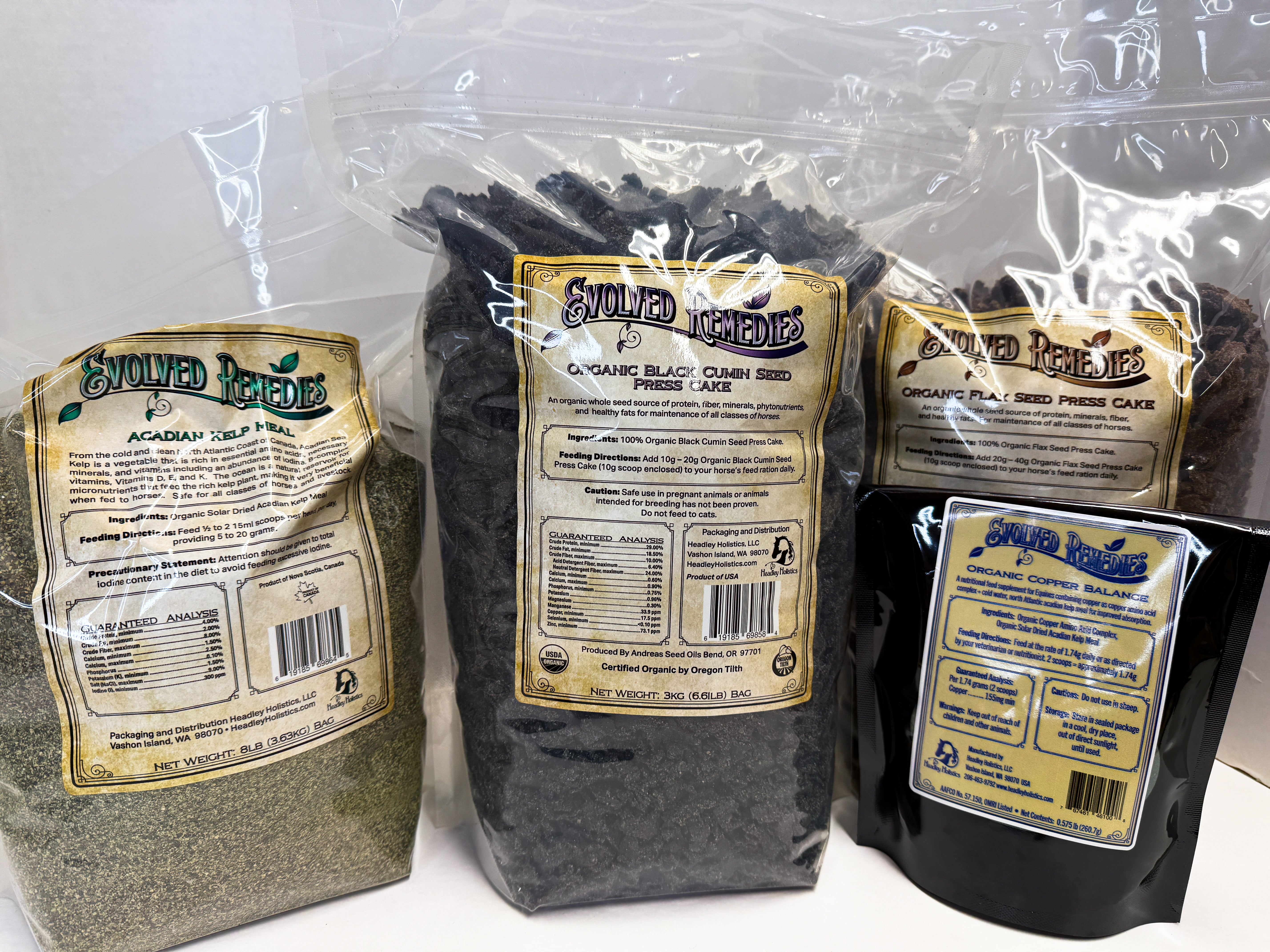
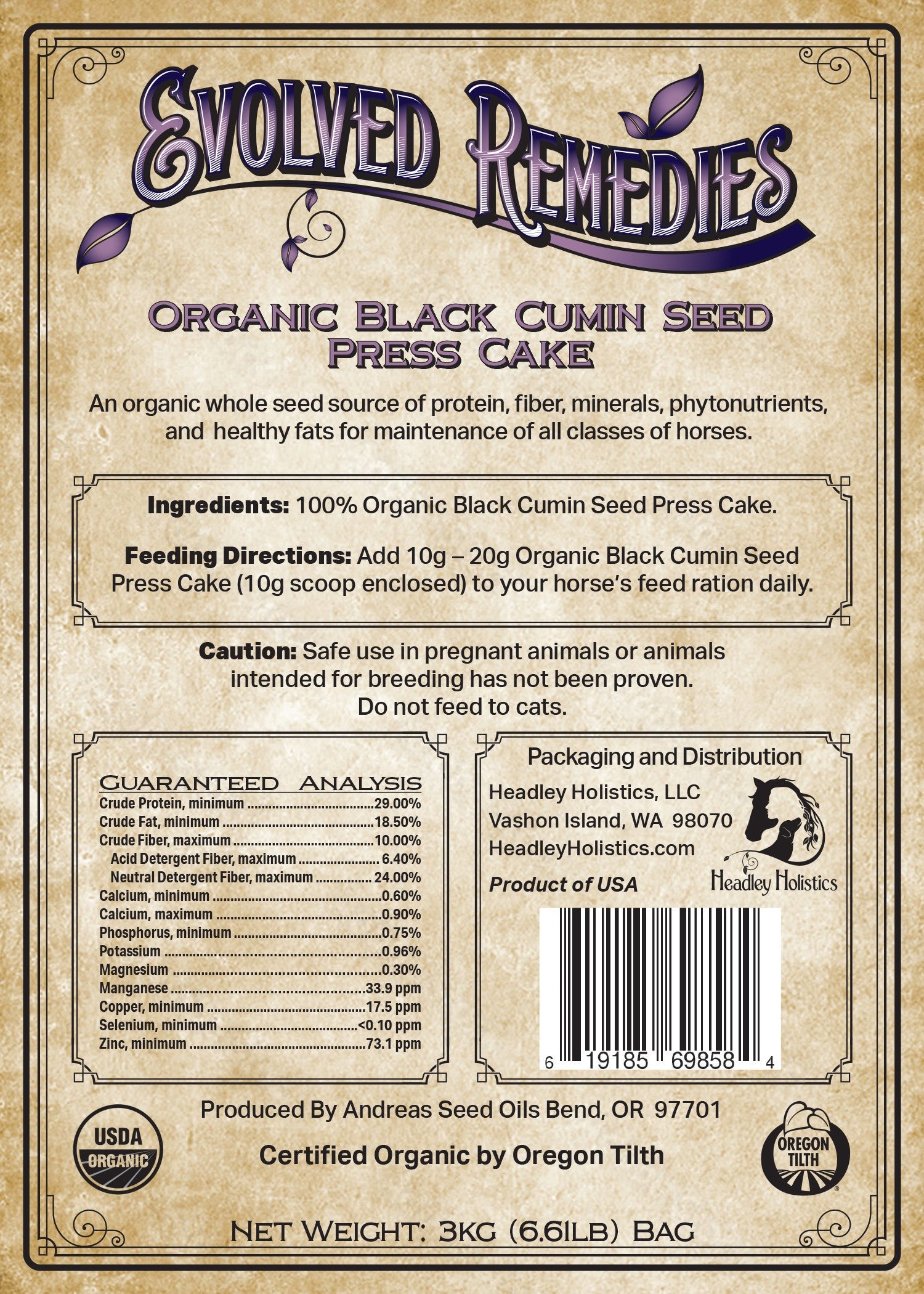
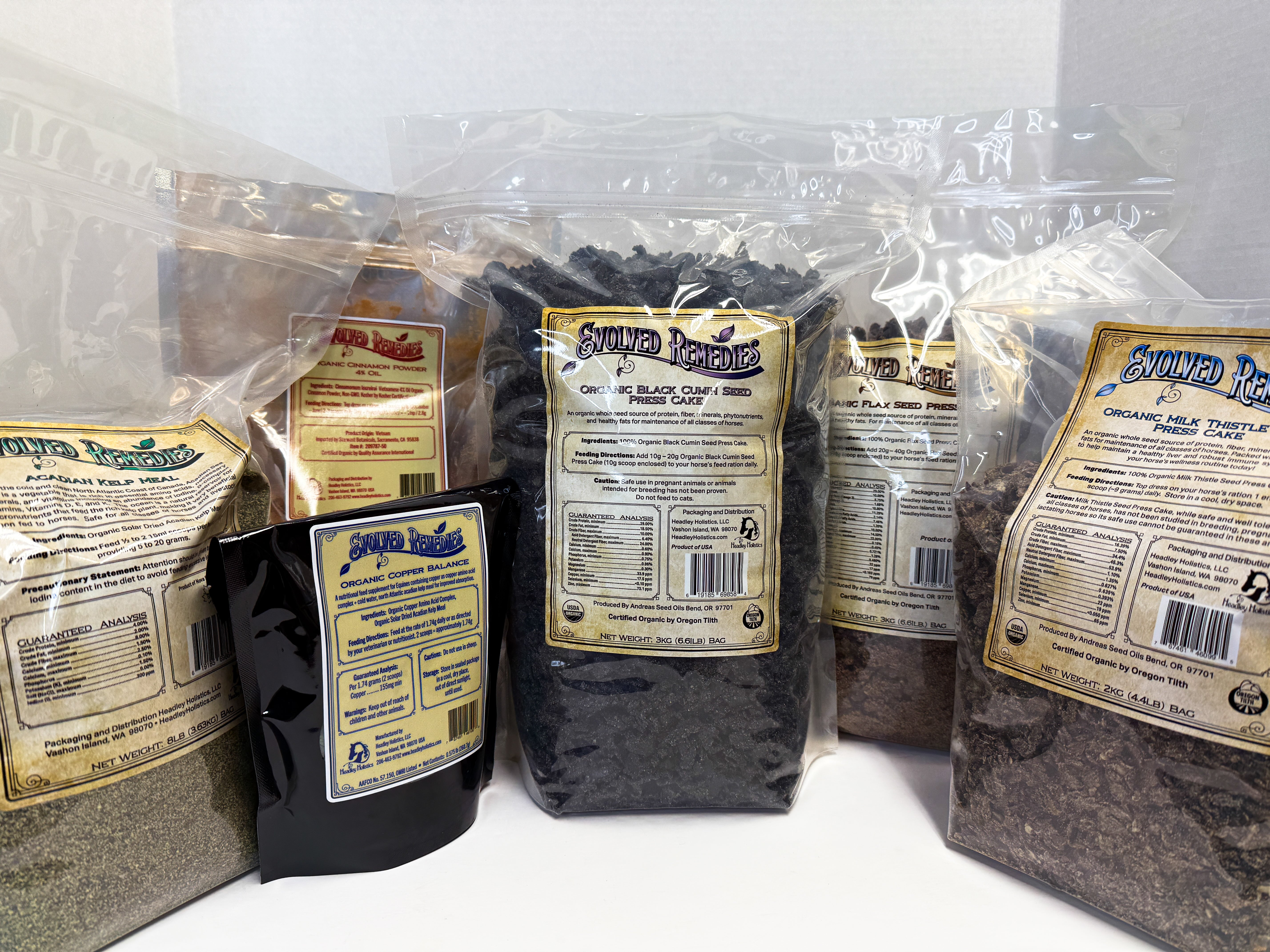
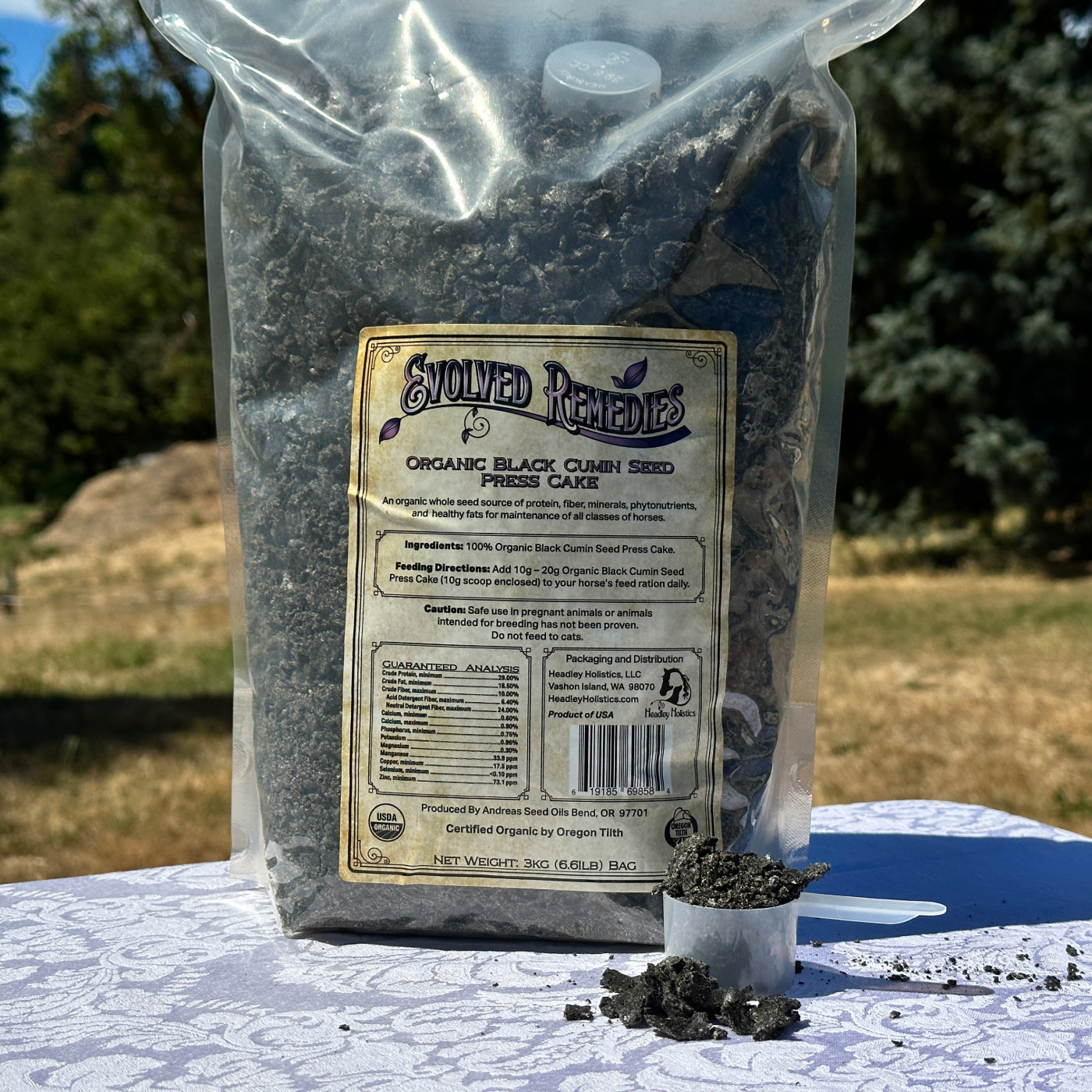
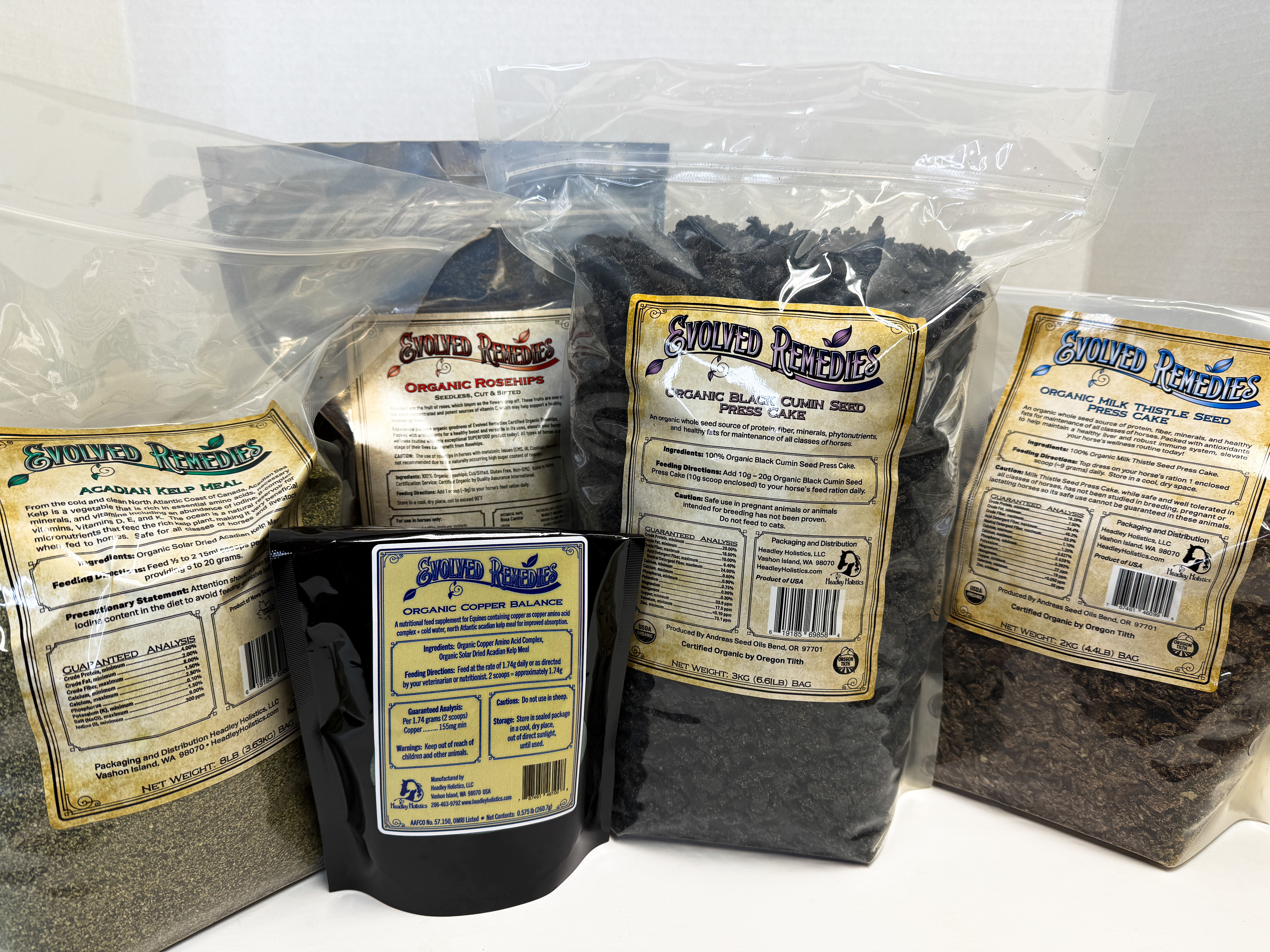
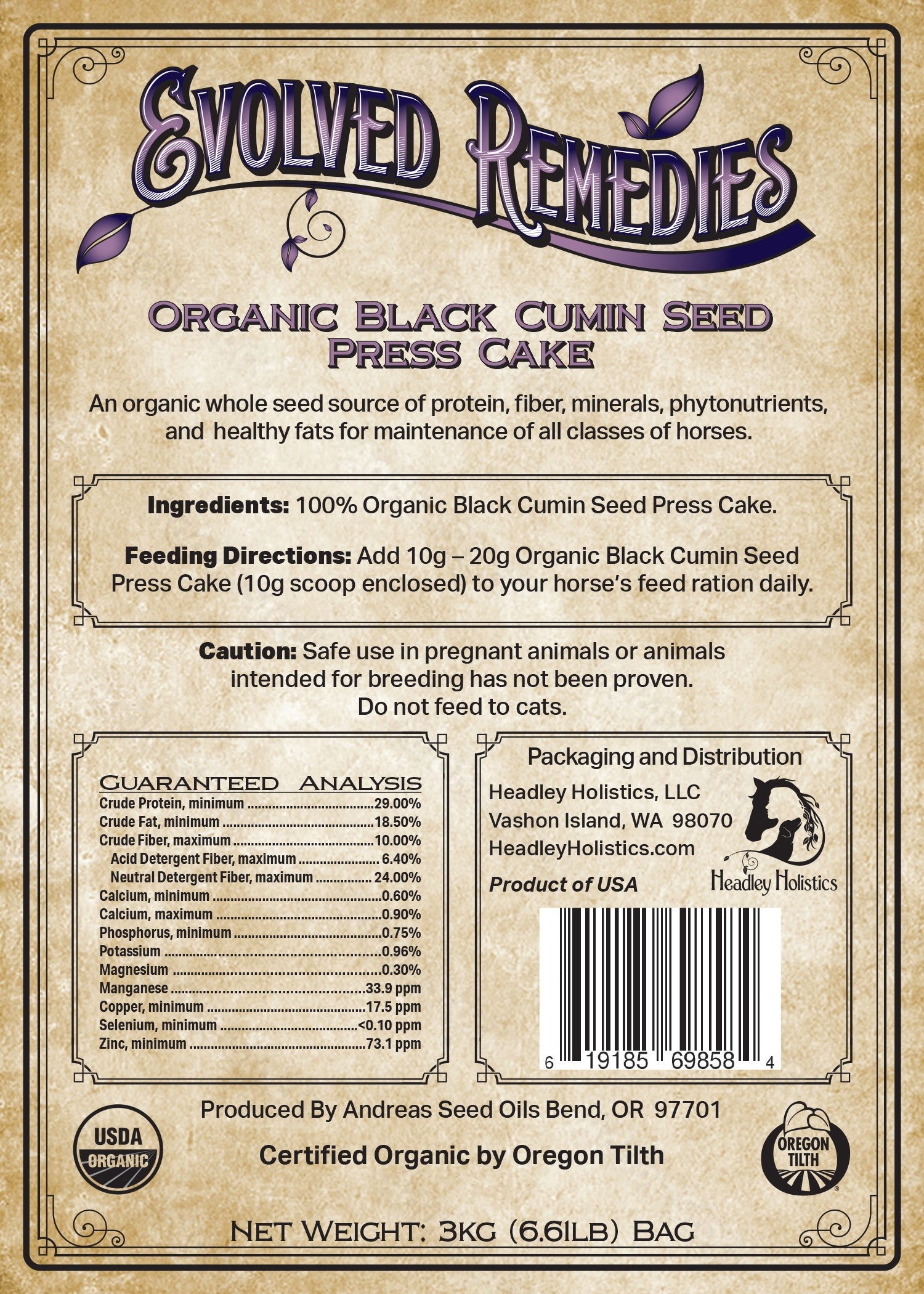
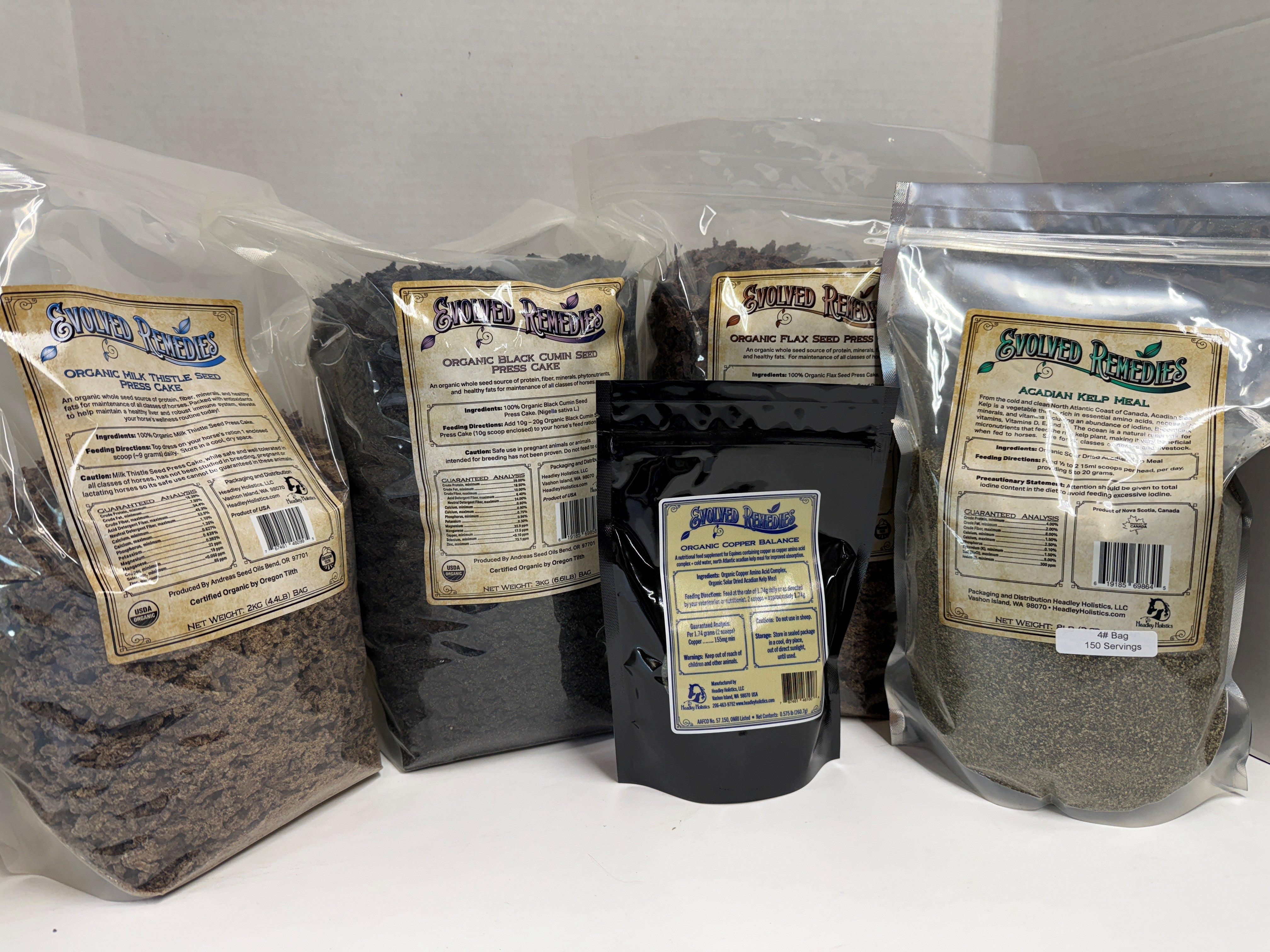
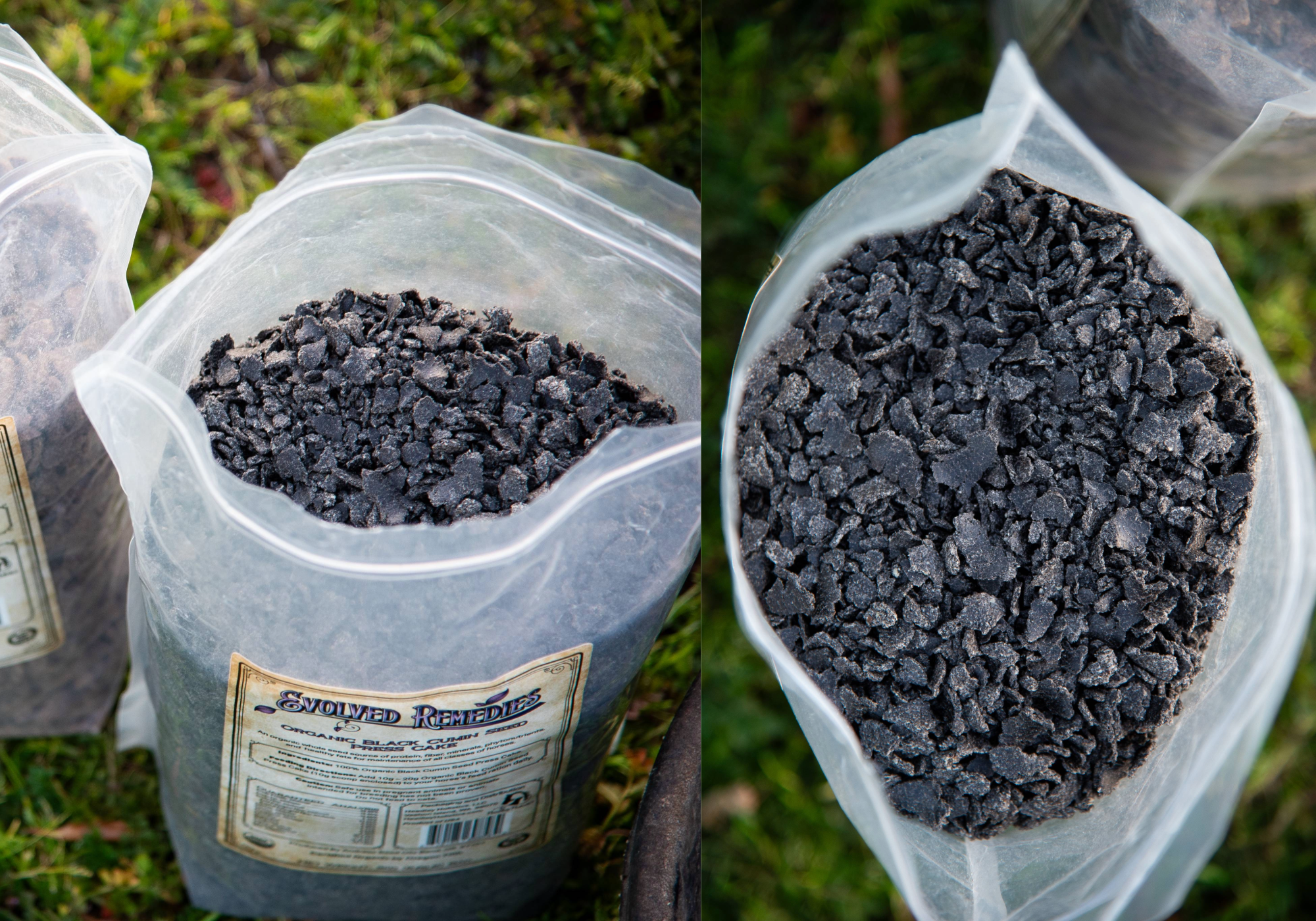
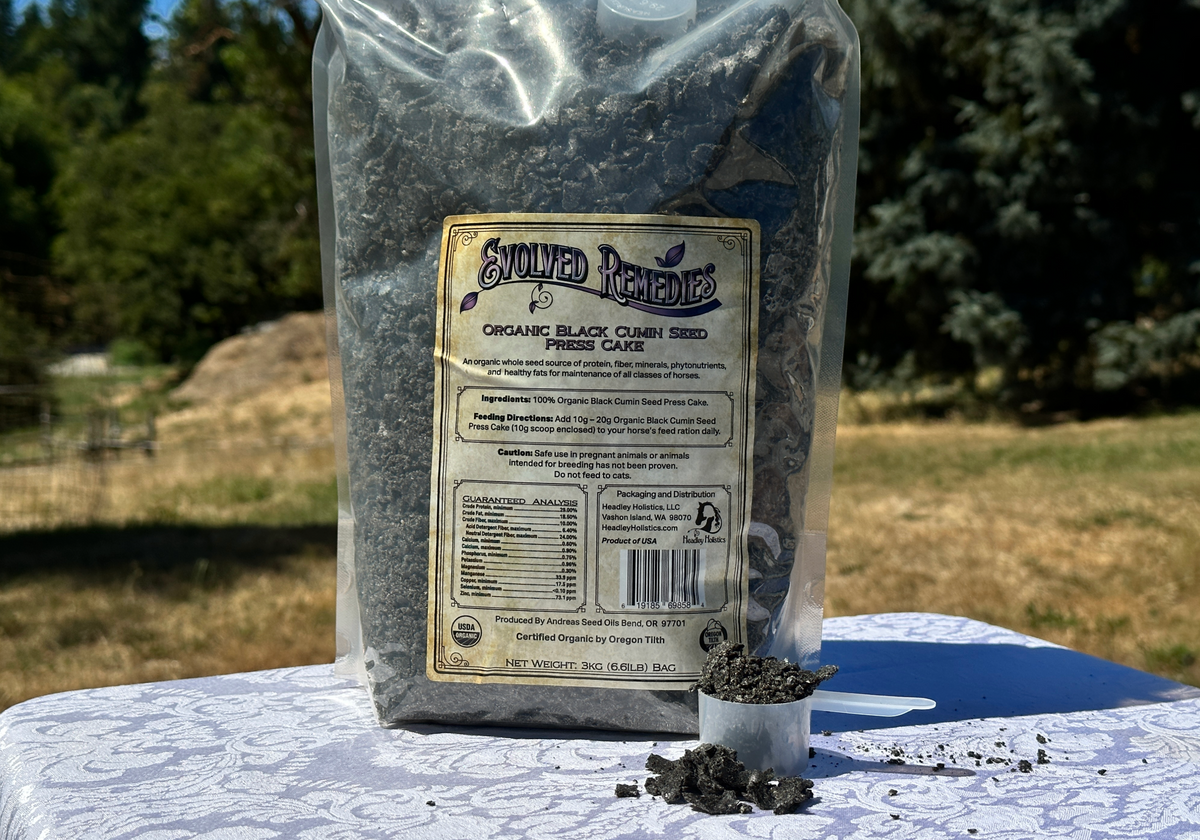
Organic black cumin seed press cake. Nigella sativa — black cumin — is one of the most extensively researched medicinal plants in the world, with over 1,000 peer-reviewed studies documenting its properties. Its primary active compound, thymoquinone, has demonstrated anti-inflammatory, antiparasitic, immune-modulating, and metabolic-regulating effects across multiple species (Bamosa et al., 2010; Randhawa & Alghamdi, 2011). We use the press cake specifically — the whole food form that retains the full matrix of fiber, cofactors, and phytonutrients — rather than an isolated oil or extract. Organic black cumin seed press cake is a cornerstone of our Organic Superfood Horse Supplementation Protocol.
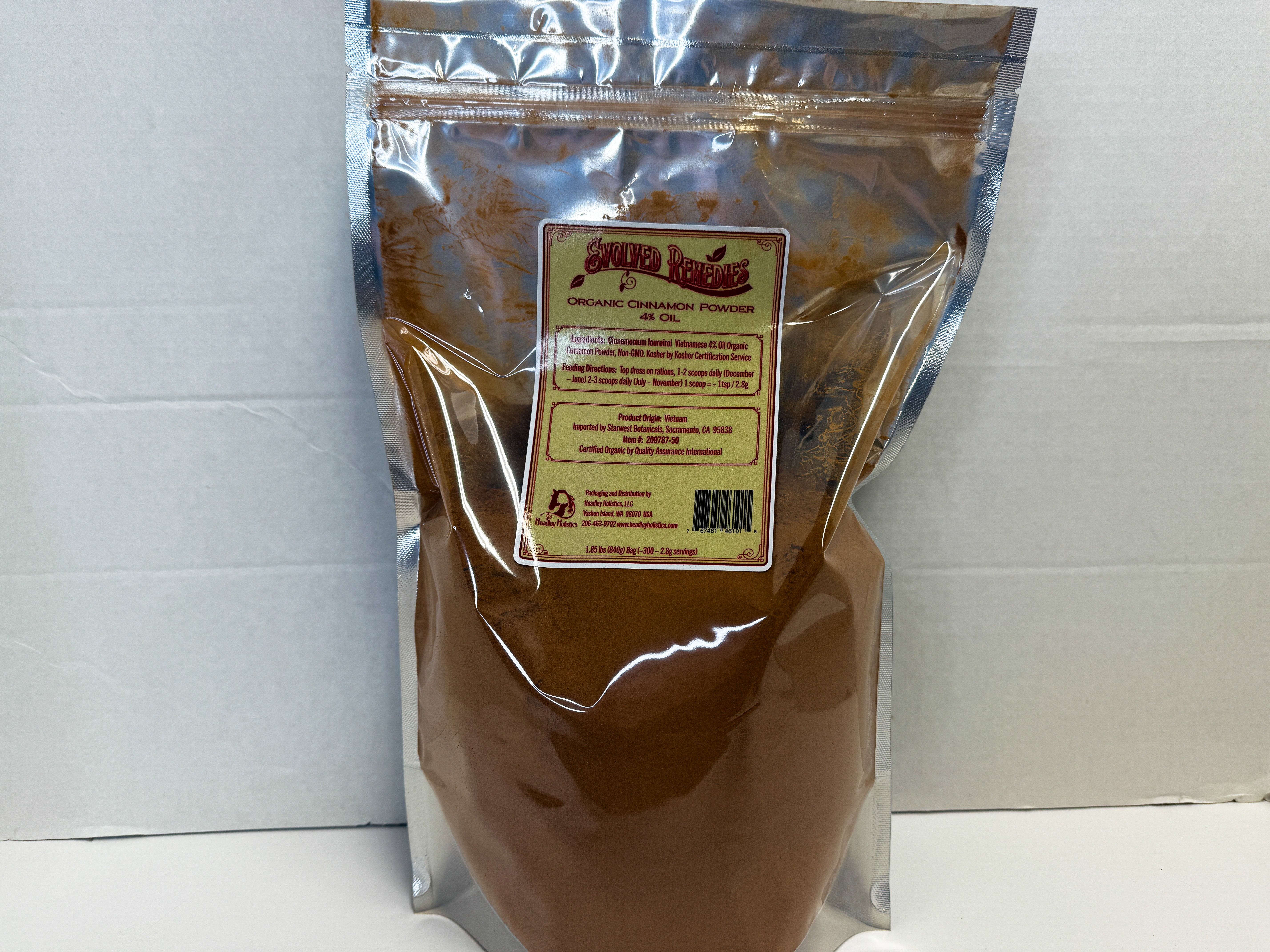
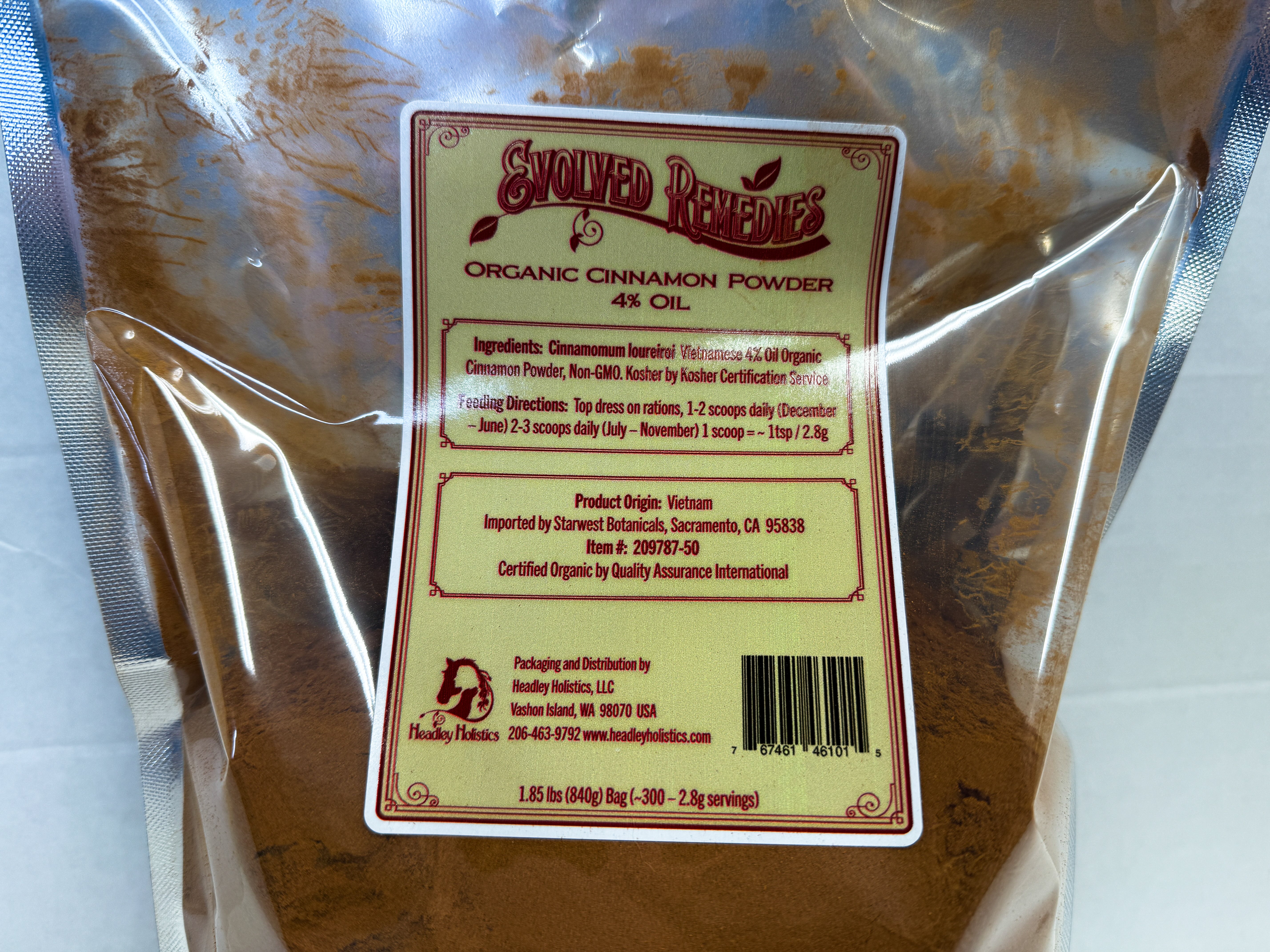
Organic Saigon Cinnamon with 4% oil. Cinnamon — specifically high-oil Saigon cinnamon — has well-documented insulin-sensitizing properties that are particularly relevant for metabolic and Cushing's horses. Research has shown that cinnamon's active compounds support healthy blood glucose regulation and improve insulin sensitivity (Davis & Yokoyama, 2011). For horses dealing with the metabolic consequences of ACTH and cortisol dysregulation, this is a meaningful and measurable tool.
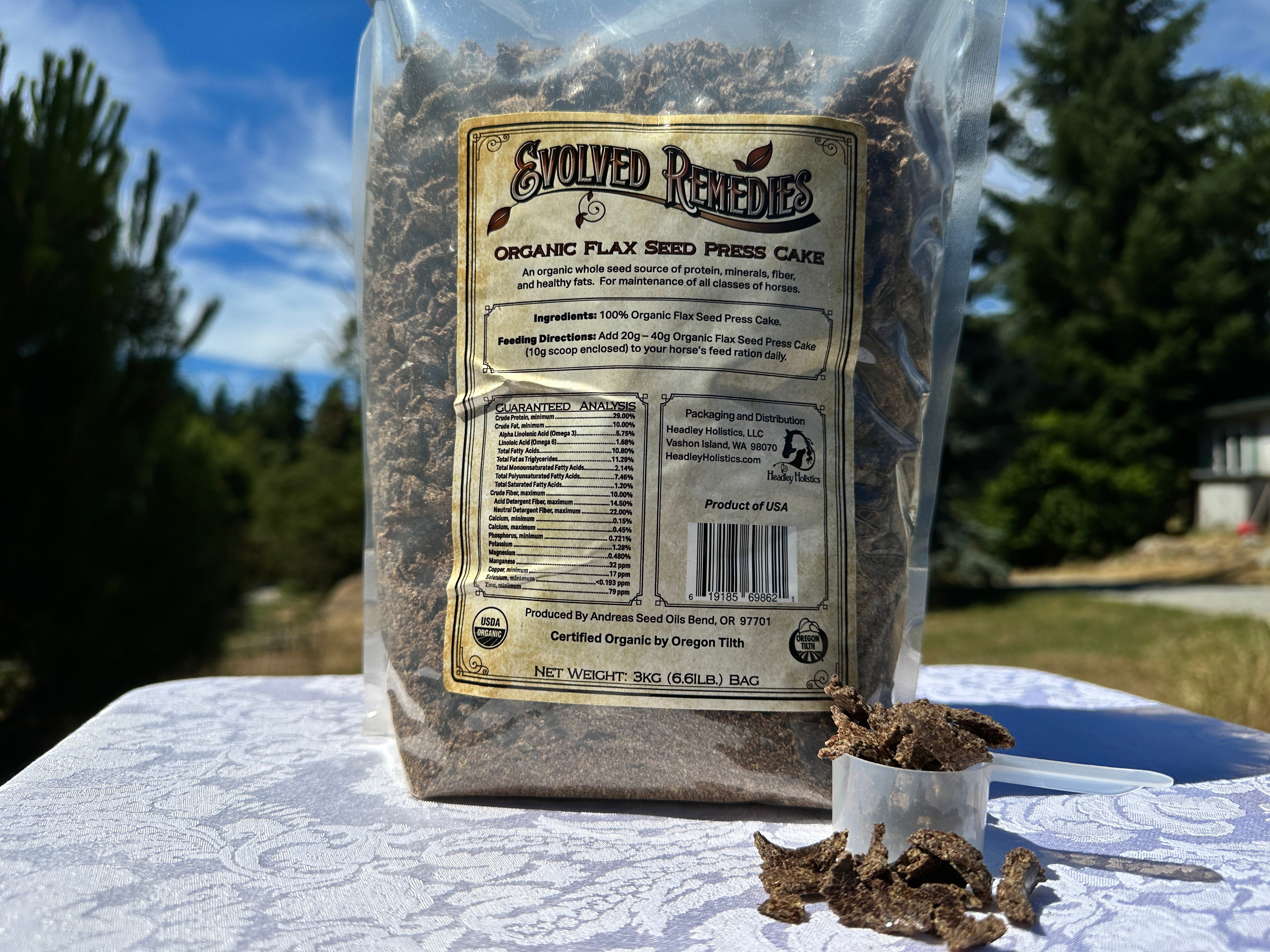
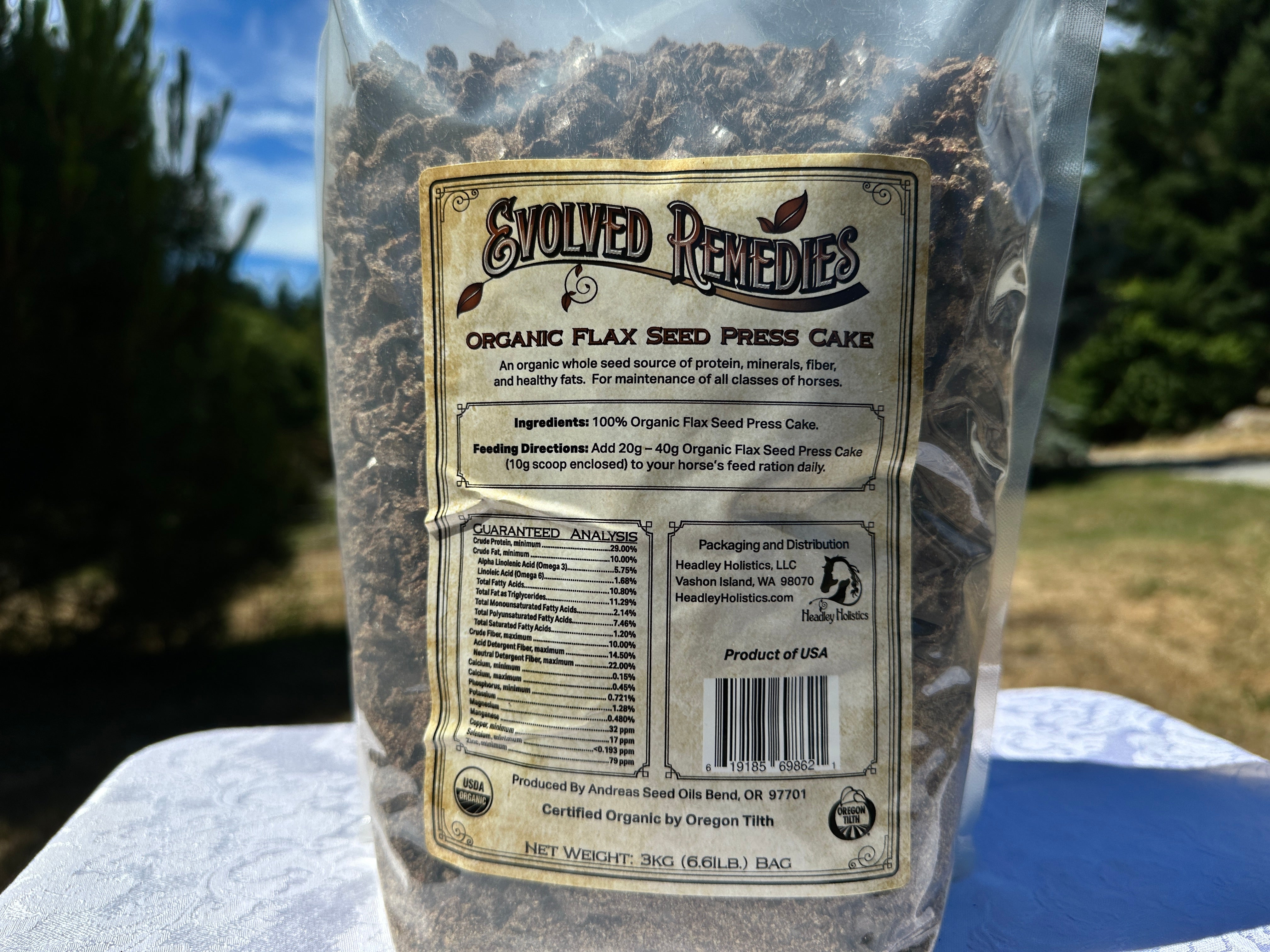
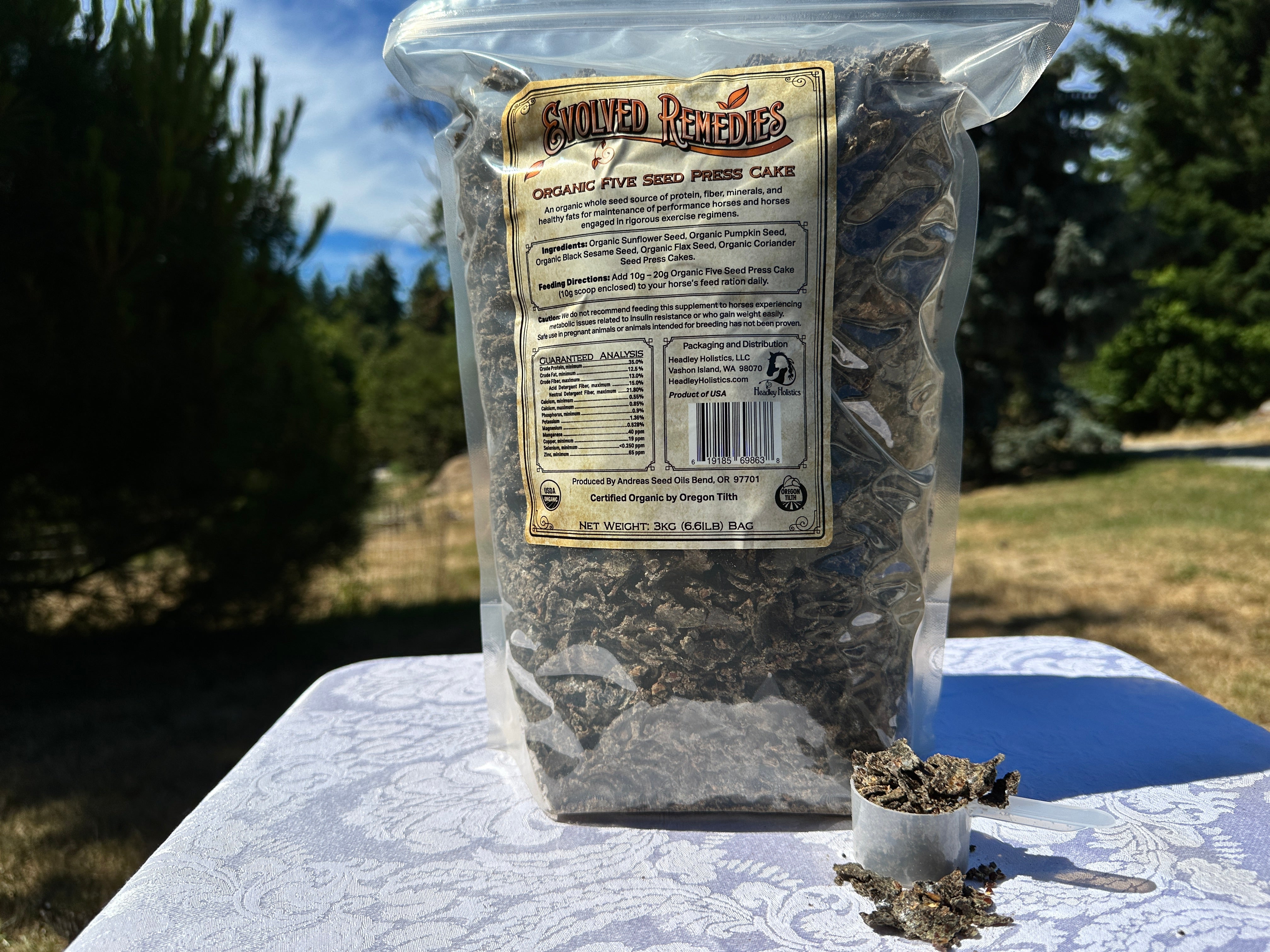
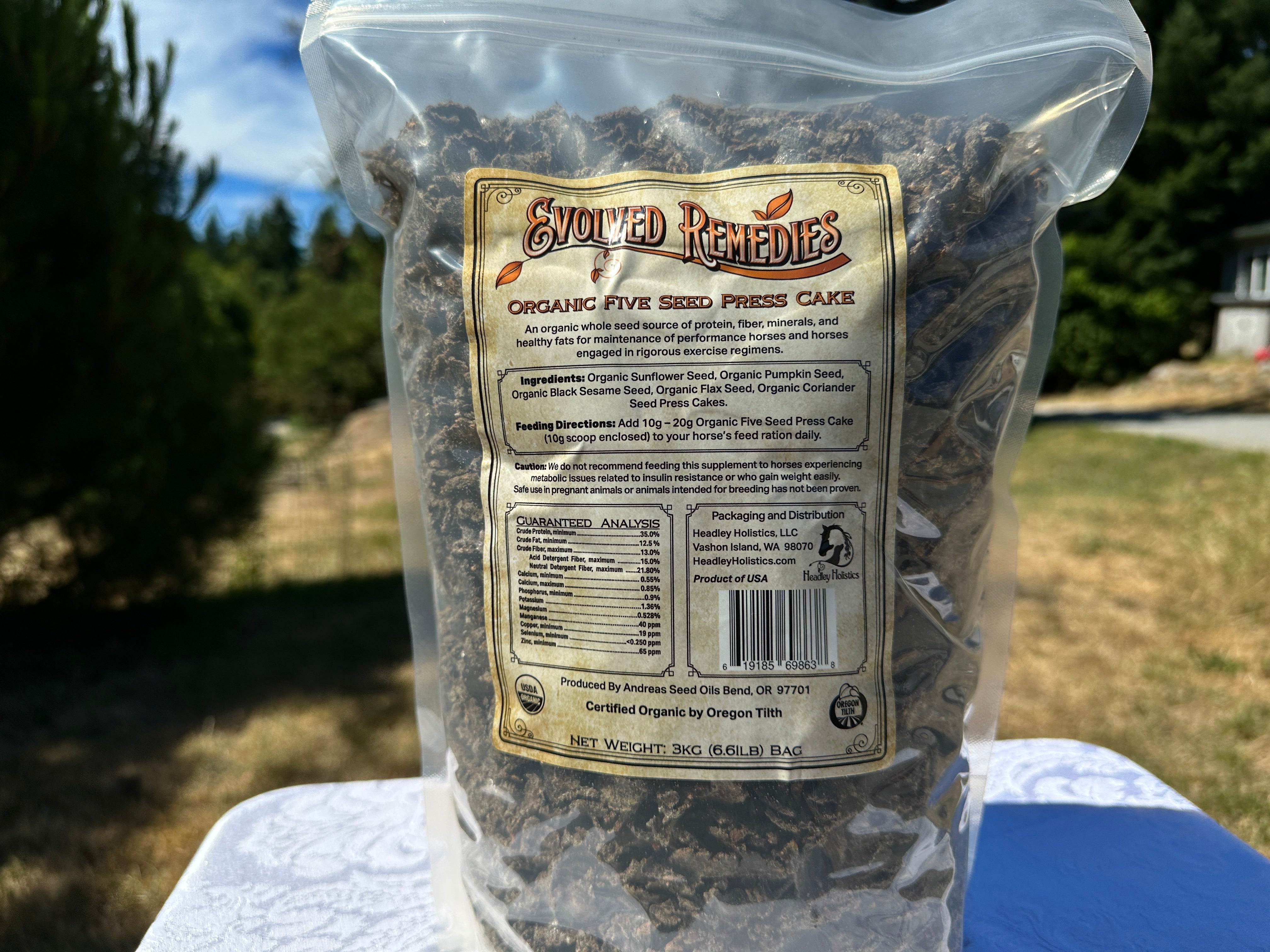
Organic Flax seed press cake. A whole food source of omega-3 fatty acids, lignans, and soluble fiber. Omega-3 fatty acids are among the most well-researched natural anti-inflammatory agents available, with documented benefits for joint health, skin and coat quality, and gut lining integrity (Woodward et al., 2016). We use the press cake — the whole food form — rather than processed flax oil, to preserve the full nutritional matrix.
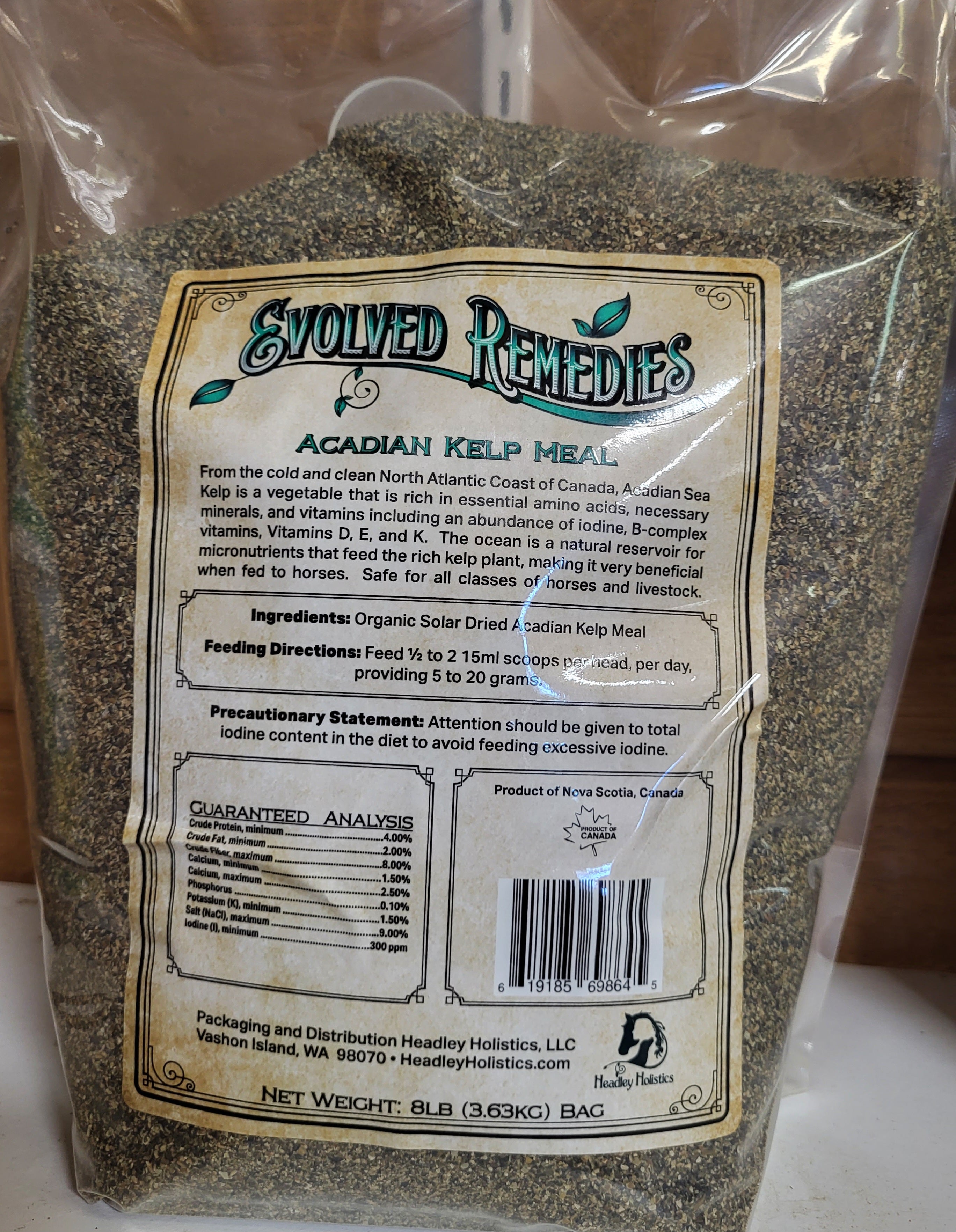
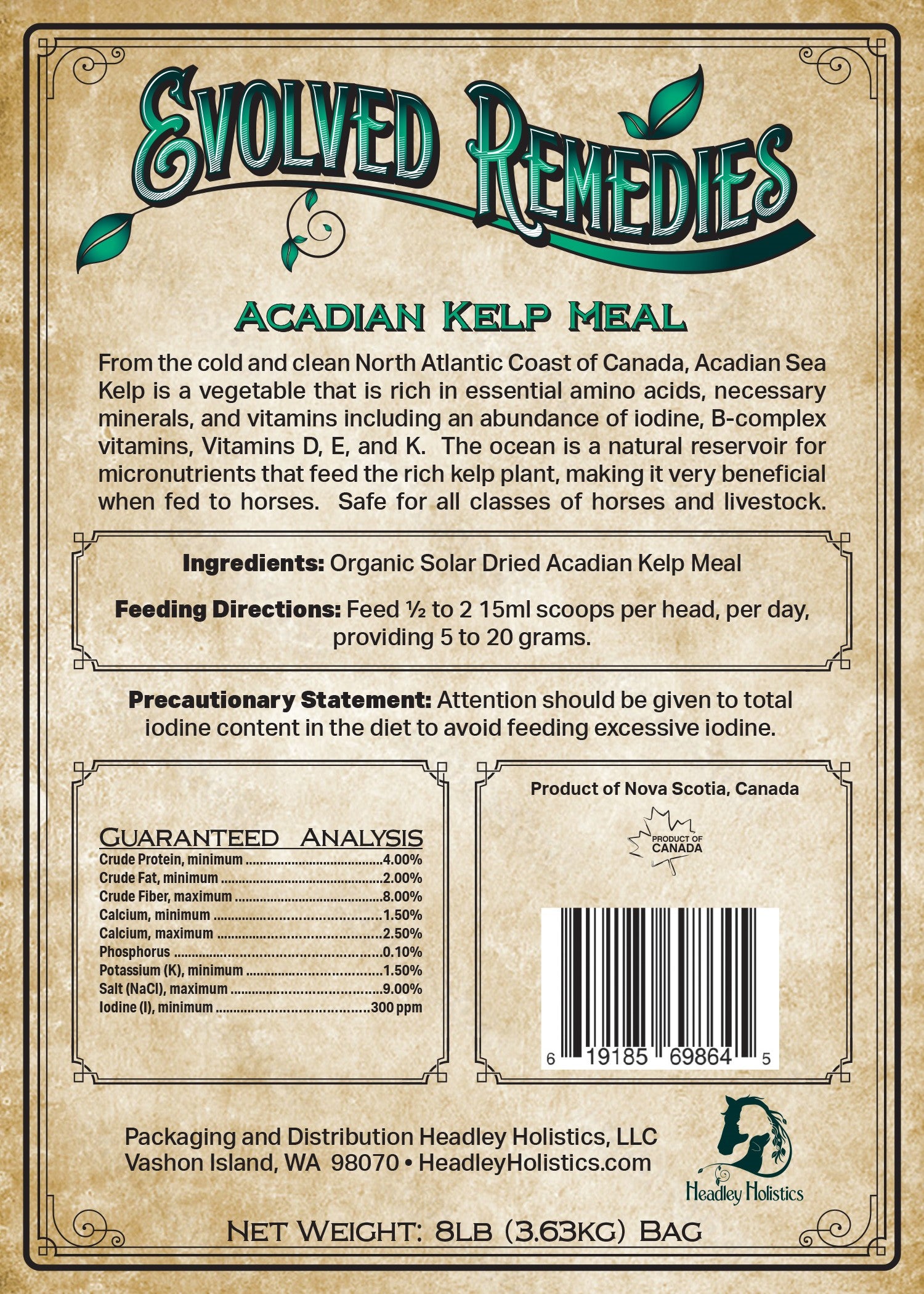
High quality kelp. A whole food source of over 60 organic vitamins and minerals, all essential amino acids, and iodine. Kelp is particularly valuable in the context of glyphosate exposure because it provides bioavailable forms of the exact minerals — manganese, magnesium, copper, and zinc — that glyphosate chelates and depletes (Samsel & Seneff, 2013). It also provides natural iodine, which supports healthy thyroid function — particularly relevant for horses showing signs of metabolic dysfunction.
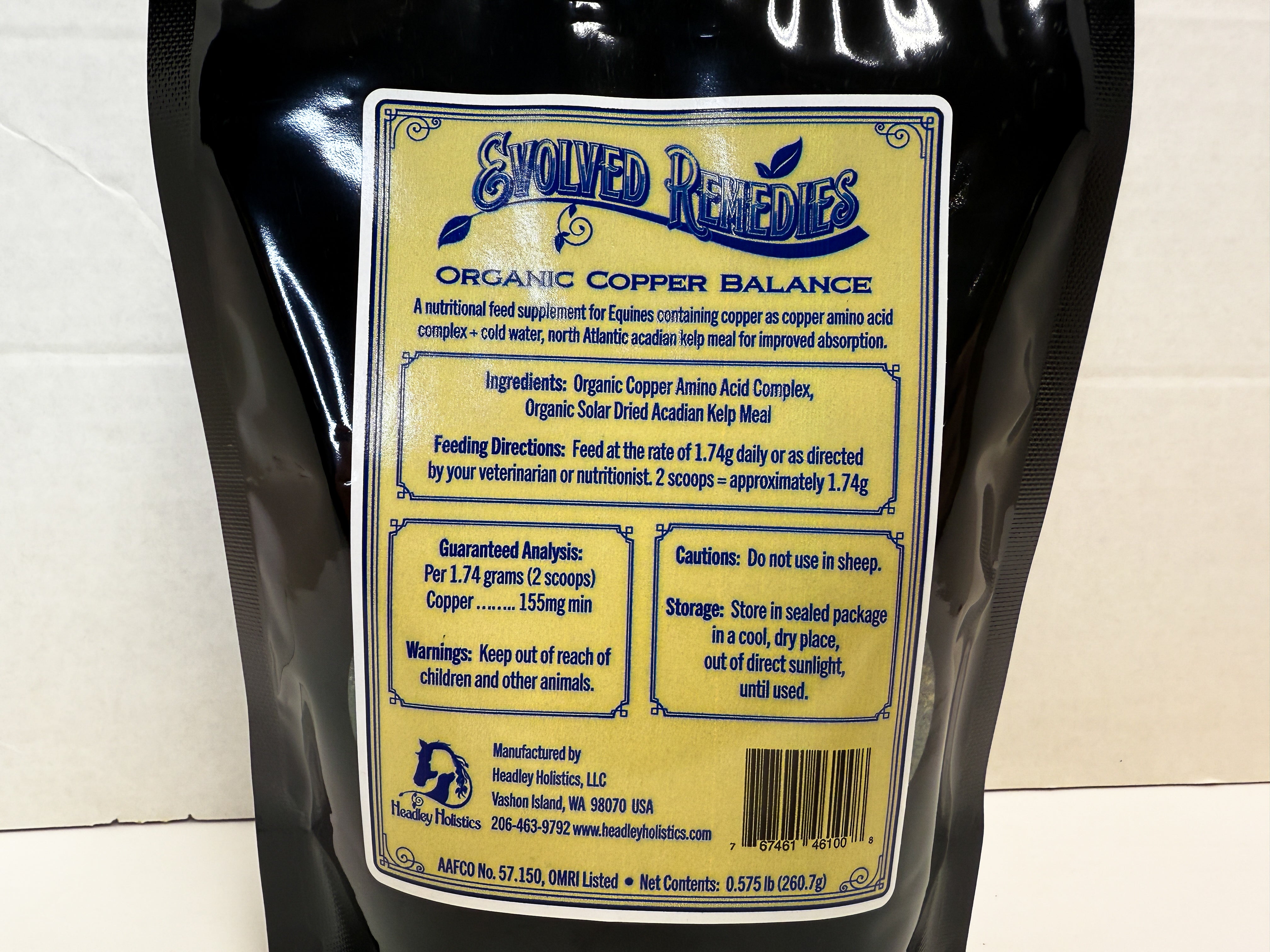
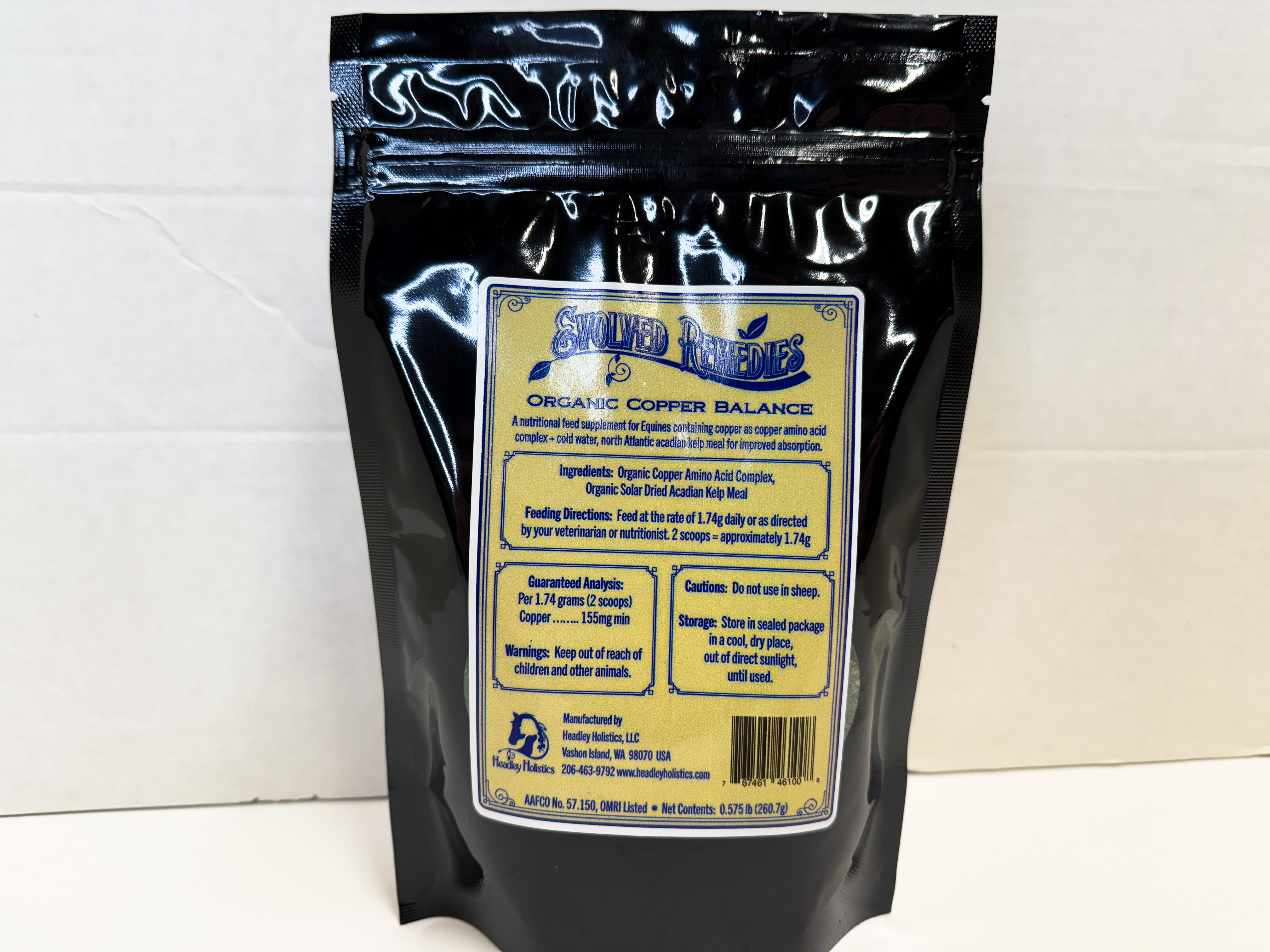
Organic Copper. Targeted mineral supplementation for a nutrient that is chronically deficient in most domesticated horses, particularly those on contaminated commercial feed. Copper is essential for tendon and ligament integrity, immune function, coat color and quality, and joint health. We supplement with bioavailable copper rather than the synthetic copper oxide commonly found in commercial supplements, which research shows has poor absorption in horses (NRC, 2007).
The results across our herd and our customers' horses have been consistent enough over three decades that we no longer think of this as an alternative approach. We think of it as the correct approach. Horses on this protocol gain and maintain healthy weight. Their coats develop the dappling and shine that signals genuine internal health. Their hooves strengthen. Their joints become less inflamed. Their immune systems regulate. The behavioral issues — spookiness, anxiety, reactivity — that so often accompany gut dysregulation and serotonin disruption begin to resolve.
This is not magic. It is not a miracle supplement protocol. It is simply removing what was damaging the horse and replacing it with what the horse's body was designed to use.
The body does the rest.
What Does This Mean for Your Horse?
If you have read this far, you are probably asking yourself one of two questions. Either you are wondering whether what we have described applies to your horse. Or you already know it does and you are trying to figure out where to start.
Here is how we think about it.
The first and most important thing you can do is look at what you are currently feeding. Flip every bag over. Read every ingredient label. If you see corn, corn by-products, corn distillers grains, soybean meal, wheat middlings, beet pulp, or processed grain derivatives anywhere in the ingredient list — your horse is eating glyphosate every single day. That is not speculation. Those ingredients are virtually guaranteed to be contaminated based on everything we know about how they are grown, processed, and distributed in the United States (Benbrook, 2016; Environmental Working Group, 2023).
The second thing to look at is your horse's health profile. Not the acute stuff — the chronic, nagging, won't-fully-resolve stuff. The horse that is always a little too heavy no matter what you do. The one with persistent skin issues or a dull, faded coat. The horse that is spooky or anxious without obvious cause. The one whose hooves never seem to get as strong as they should. The horse with joint stiffness that comes and goes. These are not random inconveniences. They are patterns. And in our experience — thirty years of it — these patterns almost always trace back to the same place.
The third thing to understand is that the solution is not complicated. It is not expensive. And it does not require you to throw out everything you think you know about horse care.
It requires three things.
Remove the source of contamination. Clean up the base diet. Build on top of that foundation with whole food and superfood nutrition that your horse's body was actually designed to absorb and use.
You do not need to do everything at once. Start with the labels. Remove the worst offenders. Transition to a clean forage base. Add one or two whole food supplements and watch what happens over the following weeks and months. The horses we have worked with do not take years to respond to a clean diet. Most begin showing visible changes — in coat quality, energy, weight regulation, and temperament — within weeks.
We are not asking you to take our word for any of this. We are asking you to look at the evidence — the peer-reviewed research, the data from thirty years behind a feed store counter, and the six horses whose stories we shared in this article. Then look at your own horse. Ask the question we always ask first.
What are you feeding?
That question has changed the health trajectory of more horses than we can count. It can change your horse's too.
Ready to put this to work?
Start small with the 2-week sample, or go straight to the full-size press cake — first order ships free either way.
Shop the press cake →Frequently Asked Questions
How do I know if glyphosate is actually affecting my horse?
There is no simple at-home test for glyphosate exposure in horses, and large-scale equine glyphosate testing studies do not yet exist. What we rely on instead is the health pattern. If your horse is eating conventional commercial feed containing corn, soy, wheat, or beet pulp — and is showing any combination of metabolic issues, poor hoof quality, skin conditions, chronic inflammation, gut problems, unexplained weight changes, or immune dysfunction — glyphosate exposure is a highly plausible contributing factor. The most practical first step is not a test. It is removing the contaminated ingredients and observing what changes.
Is switching to non-GMO feed enough to protect my horse from glyphosate?
Unfortunately no. This is one of the most common misconceptions we encounter. Glyphosate is now routinely applied to non-GMO crops including wheat, oats, and barley as a pre-harvest desiccant — sprayed directly on the crop shortly before harvest to speed up drying. This means the glyphosate is applied at the end of the growing cycle with no time to break down before the crop enters the food supply (USDA Agricultural Statistics, 2023). The non-GMO label tells you the seed was not genetically modified. It tells you nothing about what was sprayed on it.
How long does it take to see results after switching to a clean diet?
In our experience most horses begin showing visible changes within four to eight weeks of transitioning to a clean, whole food diet. Coat quality and energy levels tend to respond first. Weight regulation, hoof quality, and joint comfort typically follow over the subsequent months. Horses with more severe or longstanding health issues may take longer to show full improvement — the gut microbiome in particular can take several months to meaningfully rebuild after prolonged exposure to contaminated feed. Patience and consistency matter.
Can I use this approach alongside my veterinarian's treatment plan?
Absolutely — and we would encourage it. We are not anti-veterinary. Veterinarians are invaluable for acute care, diagnostics, and emergency situations. What conventional veterinary training rarely covers is nutrition — specifically the role of contaminated feed ingredients in chronic disease. A clean diet and whole food supplementation protocol is not a replacement for veterinary care. It is the nutritional foundation that makes everything else work better. Many of our customers work alongside their vets while transitioning to a clean diet and find that their horses' conventional treatment needs decrease over time as the underlying nutritional foundation improves.
My horse has Cushing's disease and is already on Prascend. Should I make dietary changes too?
Yes — and in our view dietary change is not optional for a Cushing's horse, it is essential. Prascend manages the hormonal symptoms of PPID but does not address the metabolic and nutritional environment that allows the condition to worsen. Removing glyphosate-contaminated feed and adding metabolic-supporting whole foods like Organic Saigon Cinnamon with 4% oil and organic black cumin seed press cake gives the horse's system the best possible environment to stabilize and respond to treatment.
We want to be honest about something here. Most conventionally trained veterinarians will push back — sometimes vigorously — against the idea that nutrition and whole food supplementation can meaningfully impact a Cushing's horse. A good holistic or integrative equine veterinarian will see it very differently. Our experience, and the experience of many customers we have worked with over the years, is that a clean diet and targeted superfood supplementation can be genuinely transformative for Cushing's horses. We have helped numerous customers use this approach to support their horse's health so effectively that, working alongside a holistic vet, their horse was able to transition completely off Prascend — and remained healthier without it. That is not a claim we make lightly. It is something we have witnessed repeatedly.
Always communicate any dietary changes to your veterinarian, particularly if your horse's ACTH and cortisol levels are being actively monitored. And if your current vet is dismissive of a nutritional approach, it may be worth seeking a second opinion from a vet with holistic or integrative training.
Where do I start if I want to transition my horse to the protocol you use?
Start with the labels. Pull out every feed and supplement in your feed room and read the ingredient lists. Remove anything containing corn, corn by-products, soybean meal, wheat middlings, beet pulp, or processed grain derivatives. Replace your current feed base with clean hay, clean hay pellets, and CoolStance Copra. Then add whole food superfood supplements one at a time so you can observe how your horse responds to each. Begin with organic black cumin seed press cake and build from there.
One critically important note on the transition itself — changing a horse's diet requires patience and care. Any dietary transition should be done very slowly, over a minimum of 10 to 14 days, gradually introducing new ingredients while phasing out the old ones. For horses that are particularly sensitive, or that are dealing with active health challenges like metabolic issues, gut problems, or laminitis, the transition may need to be extended further — sometimes three to four weeks or more. Rushing a dietary transition can cause digestive upset, colic, or a worsening of existing conditions. Slow and steady is not just a preference. It is a requirement.
If you want guidance specific to your horse's health situation, we are here to help — reach out to us directly at headleyholistics.com.
Bibliography
Bailey, S.R., Habershon-Butcher, J.L., Ransom, K.J., Elliott, J., & Menzies-Gow, N.J. (2007). Hypertension and insulin resistance in a mixed-breed population of ponies predisposed to laminitis. American Journal of Veterinary Research, 68(4), 413–420.
Bamosa, A.O., Kaatabi, H., Lebdaa, F.M., Elq, A., & Al-Sultanb, A. (2010). Effect of Nigella sativa seeds on the glycemic control of patients with type 2 diabetes mellitus. Indian Journal of Physiology and Pharmacology, 54(4), 344–354.
Benbrook, C.M. (2016). Trends in glyphosate herbicide use in the United States and globally. Environmental Sciences Europe, 28(3). https://doi.org/10.1186/s12302-016-0070-0
Davis, P.A., & Yokoyama, W. (2011). Cinnamon intake lowers fasting blood glucose: meta-analysis. Journal of Medicinal Food, 14(9), 884–889.
Environmental Working Group. (2023). Glyphosate contamination in food and feed crops. https://www.ewg.org
Haritou, S.J.A., Zylstra, R., Ralli, C., Turner, S., & Tortonese, D.J. (2008). Seasonal changes in circadian peripheral plasma concentrations of melatonin, serotonin, dopamine and cortisol in aged horses with Cushing's disease under natural photoperiod. Journal of Neuroendocrinology, 20(8), 988–996.
Kasashima, Y., Takahashi, T., Smith, R.K.W., Eto, D., Kuwano, A., Ueno, T., & Yoshida, K. (2004). Prevalence of superficial digital flexor tendonitis and suspensory desmitis in racehorses in Japan. Equine Veterinary Journal, 36(4), 307–312.
Kruger, M., Shehata, A.A., Schrodl, W., & Rodloff, A. (2014). Glyphosate suppresses the antagonistic effect of Enterococcus spp. on Clostridium botulinum. Anaerobe, 20, 74–78.
Leite, M.F., et al. (2022). Gut microbiota sensitivity to glyphosate-based herbicides in mammals. Nature Communications, 13, 4642.
Mohan, M.E., Thomas, J.V., Mohan, M.C., Das, S.S., Prabhakaran, P., & Pulikkaparambil Sasidharan, B.C. (2023). A proprietary black cumin oil extract (Nigella sativa) modulates stress-sleep-immunity axis safely: Randomized double-blind placebo-controlled study. Frontiers in Nutrition, 10, 1152680.
National Research Council. (2007). Nutrient requirements of horses (6th ed.). National Academies Press.
Randhawa, M.A., & Alghamdi, M.S. (2011). Anticancer activity of Nigella sativa (black seed) — a review. American Journal of Chinese Medicine, 39(6), 1075–1091.
Samsel, A., & Seneff, S. (2013). Glyphosate's suppression of cytochrome P450 enzymes and amino acid biosynthesis by the gut microbiome: Pathways to modern diseases. Entropy, 15(4), 1416–1463.
Samsel, A., & Seneff, S. (2015). Glyphosate, pathways to modern diseases IV: Cancer and related pathologies. Journal of Biological Physics and Chemistry, 15(3), 121–159.
USDA Agricultural Statistics Service. (2023). Pesticide use in US agriculture. United States Department of Agriculture.
Woodward, A.D., Nielsen, B.D., O'Connor, C.I., Webel, S.K., & Ames, N.K. (2016). Dietary omega-3 fatty acid supplementation beneficially alters the erythrocyte fatty acid profile in horses. Journal of Animal Science, 94(1), 197–204.



Leave a comment
This site is protected by hCaptcha and the hCaptcha Privacy Policy and Terms of Service apply.